古羅馬 彩虹玻璃 泪瓶(Tear Vial) - 14.5 mm (沒有保留價)


02
天
10
小時
58
分鐘
47
秒

另有24人對此物品感興趣
 競投者 0459 競投者 0459 | €7 | |
|---|---|---|
| 競投者 4071 | €6 | |
 競投者 4652 競投者 4652 | €4 | |
Catawiki買家保障
在您收到物品前,我們會妥善保管您的付款。查看詳情
Trustpilot評分 4.4 | 121798 則評論
在Trustpilot獲得極佳評等。
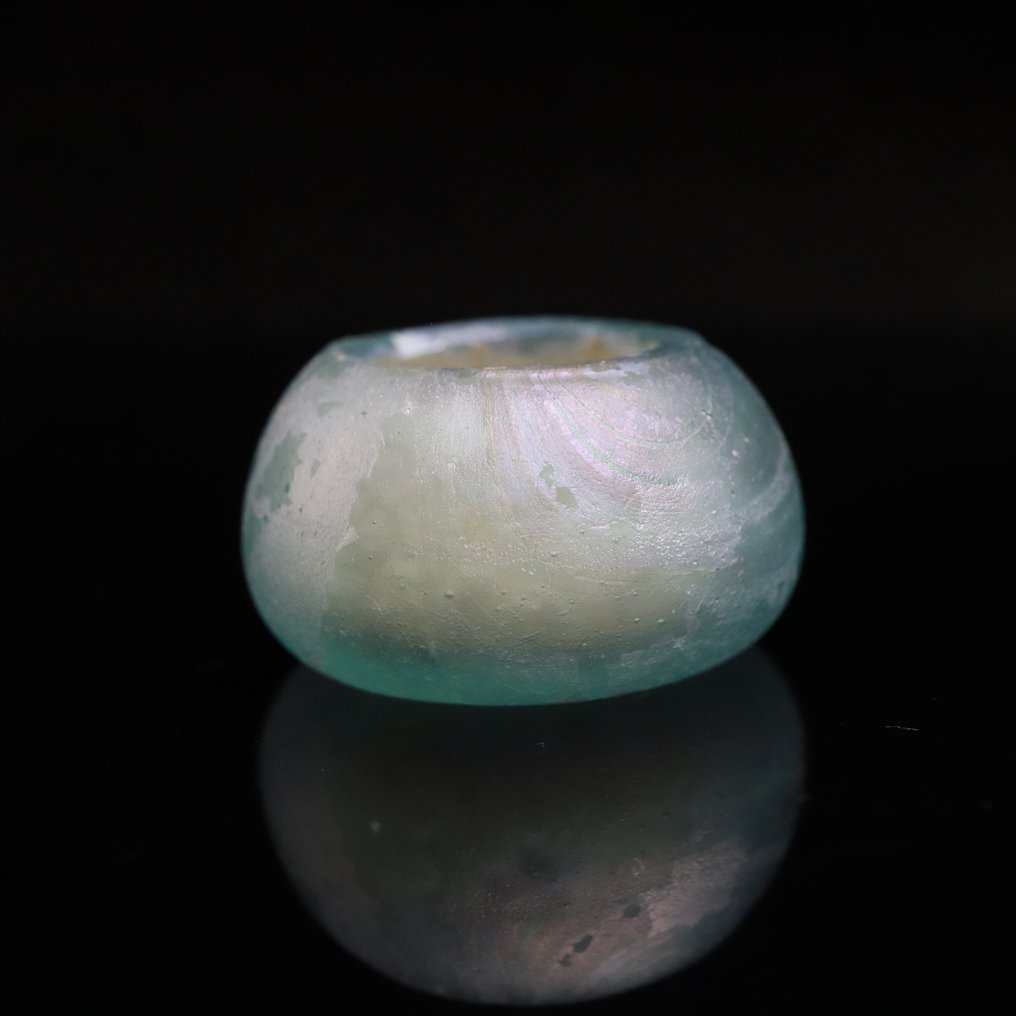
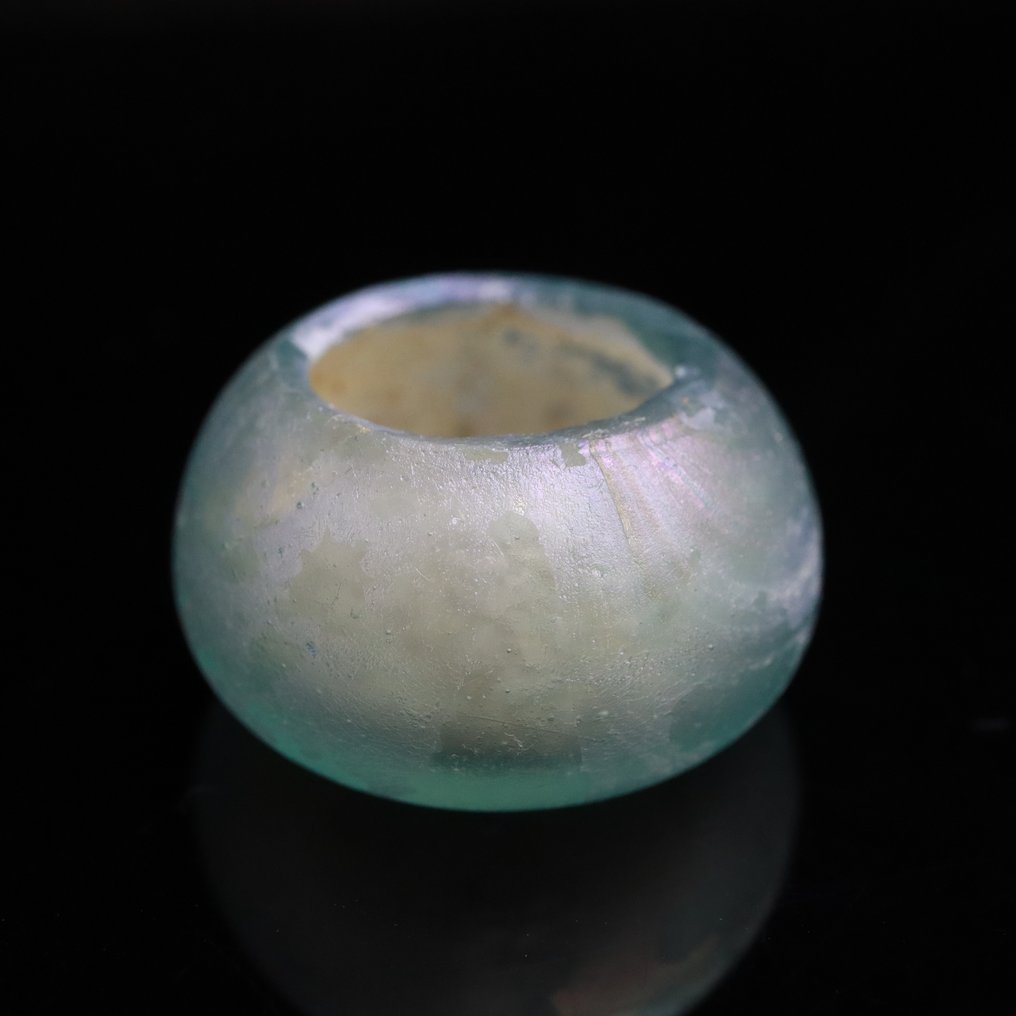
古羅馬虹彩玻璃淚瓶,公元一至四世紀,狀況極好,表面呈現迷人彩彩光澤。
AI輔助摘要
賣家描述
Ancient Roman Iridescent Glass Lachrymatory (Tear Vial), 1st–4th Century AD - Top Condition
Note: Sorry, no shipping outside Europe.
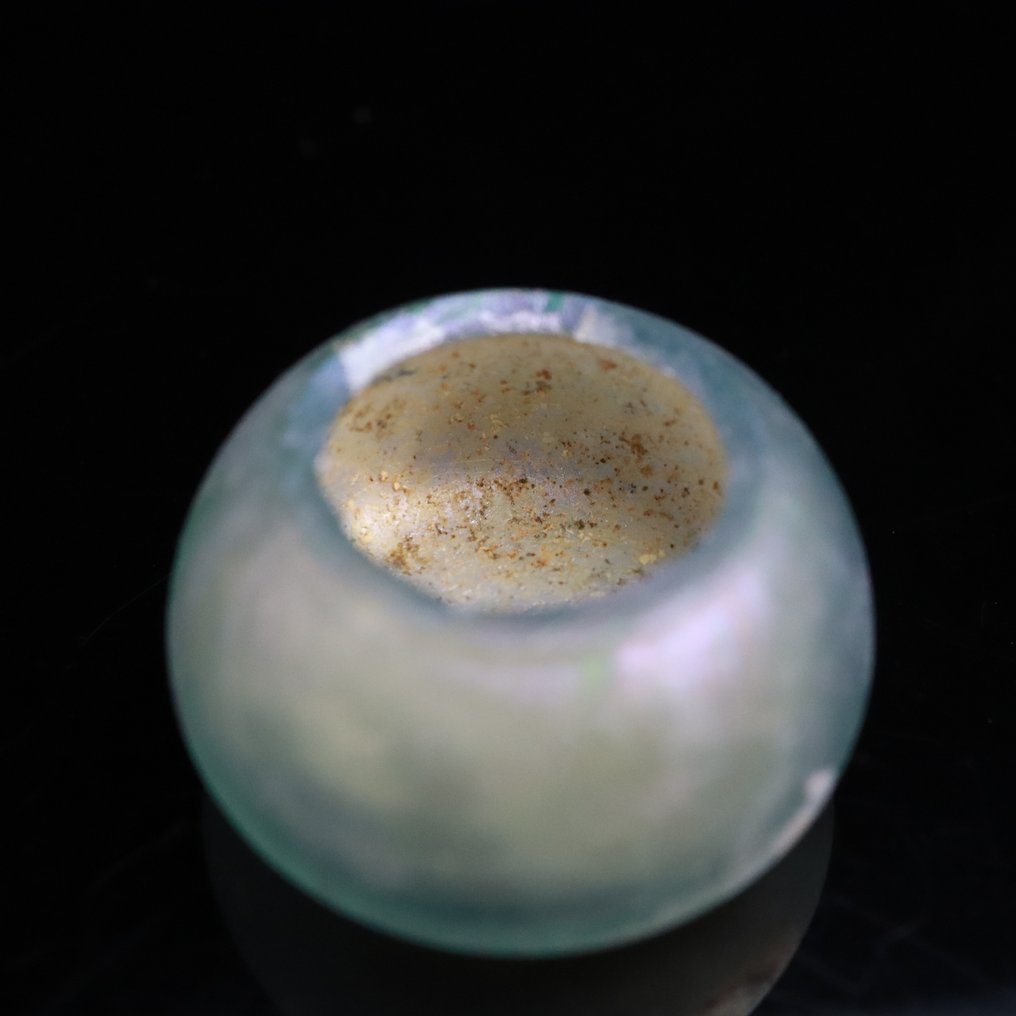
This exquisite ancient Roman glass lachrymatory, often romantically known as a "tear vial," dates to the 1st–4th century AD and features a compact, bulbous form with a wide mouth opening for easy access. Crafted from translucent blue-green glass, it exhibits a striking iridescent sheen—professionally termed "iridescence" or "weathering patina"—that produces rainbow-like colors under light, resulting from the natural delamination and oxidation of the glass surface over centuries of burial.
Symbolism & Historical Significance:
Lachrymatory Vial: These small vessels were primarily used in Roman daily life to hold perfumes, oils, unguents, or medicinal essences, rather than tears as later Victorian myths suggested. The iridescence, caused by the breakdown of silica layers in the glass due to environmental exposure (such as moisture and soil chemicals), creates a prismatic effect that enhances the object's ethereal beauty.
In Roman culture, such vials symbolized personal care, beauty rituals, and sometimes mourning or funerary practices, where they were placed in tombs as grave goods to accompany the deceased into the afterlife.
The shimmering surface, while a product of aging, mirrors the advanced Roman glassmaking techniques, including blowing and molding, which allowed for mass production of delicate items across the empire.
Connection to Ancient Rome:
Produced during the height of the Roman Empire, these lachrymatories were common in households, baths, and burial contexts from Britain to the Near East. The iridescent effect, unique to ancient glass, was not intentional but became a hallmark of authenticity, with similar examples excavated from sites like Pompeii and Roman cemeteries in the Levant, reflecting the widespread trade and innovation in glass technology influenced by earlier Hellenistic traditions.
Condition:
Intact with a beautiful iridescent patina covering the surface, and no cracks or repairs; the glass retains its structural integrity, making it a well-preserved example of Roman artistry.
Dimensions:
Outer Diameter: 26.5 mm
Height: 14.5 mm
Weight: 7.58 g
Provenance:
Previously part of a private European collection, established in the 1980s. A provenance document and declaration of legal origin are available in PDF format upon request.
Note: Please examine the provided images for a detailed impression of the vial. The photos are highly magnified to showcase the iridescent details the best way possible; otherwise, the piece is even more beautiful and attractive in person.
In top condition making it relevant for both collectors and special Christmas gift seekers
賣家的故事
身為第二代歷史愛好者和古董藝術品收藏家,我對從史前文明到中世紀的歷史文物有著深厚的熱情。我喜歡與其他歷史愛好者交流並分享獨特的、精心挑選的作品。我的目標是為這些非凡的物品找到新的歸宿,同時繼續擴大我自己的收藏。請隨意探索我的選擇——我希望你能找到一些特別的東西!
由Google翻譯翻譯Ancient Roman Iridescent Glass Lachrymatory (Tear Vial), 1st–4th Century AD - Top Condition
Note: Sorry, no shipping outside Europe.
This exquisite ancient Roman glass lachrymatory, often romantically known as a "tear vial," dates to the 1st–4th century AD and features a compact, bulbous form with a wide mouth opening for easy access. Crafted from translucent blue-green glass, it exhibits a striking iridescent sheen—professionally termed "iridescence" or "weathering patina"—that produces rainbow-like colors under light, resulting from the natural delamination and oxidation of the glass surface over centuries of burial.
Symbolism & Historical Significance:
Lachrymatory Vial: These small vessels were primarily used in Roman daily life to hold perfumes, oils, unguents, or medicinal essences, rather than tears as later Victorian myths suggested. The iridescence, caused by the breakdown of silica layers in the glass due to environmental exposure (such as moisture and soil chemicals), creates a prismatic effect that enhances the object's ethereal beauty.
In Roman culture, such vials symbolized personal care, beauty rituals, and sometimes mourning or funerary practices, where they were placed in tombs as grave goods to accompany the deceased into the afterlife.
The shimmering surface, while a product of aging, mirrors the advanced Roman glassmaking techniques, including blowing and molding, which allowed for mass production of delicate items across the empire.
Connection to Ancient Rome:
Produced during the height of the Roman Empire, these lachrymatories were common in households, baths, and burial contexts from Britain to the Near East. The iridescent effect, unique to ancient glass, was not intentional but became a hallmark of authenticity, with similar examples excavated from sites like Pompeii and Roman cemeteries in the Levant, reflecting the widespread trade and innovation in glass technology influenced by earlier Hellenistic traditions.
Condition:
Intact with a beautiful iridescent patina covering the surface, and no cracks or repairs; the glass retains its structural integrity, making it a well-preserved example of Roman artistry.
Dimensions:
Outer Diameter: 26.5 mm
Height: 14.5 mm
Weight: 7.58 g
Provenance:
Previously part of a private European collection, established in the 1980s. A provenance document and declaration of legal origin are available in PDF format upon request.
Note: Please examine the provided images for a detailed impression of the vial. The photos are highly magnified to showcase the iridescent details the best way possible; otherwise, the piece is even more beautiful and attractive in person.
In top condition making it relevant for both collectors and special Christmas gift seekers
賣家的故事
身為第二代歷史愛好者和古董藝術品收藏家,我對從史前文明到中世紀的歷史文物有著深厚的熱情。我喜歡與其他歷史愛好者交流並分享獨特的、精心挑選的作品。我的目標是為這些非凡的物品找到新的歸宿,同時繼續擴大我自己的收藏。請隨意探索我的選擇——我希望你能找到一些特別的東西!
由Google翻譯翻譯詳細資料
文化
古羅馬
世紀/時間框架
1st–4th Century AD
Name of object
Lachrymatory (Tear Vial)
獲得來源
私人收藏
獲得年份
2024
材質
Iridescent Glass
獲得國家
丹麥
狀態
極好
前任擁有者獲得來源
繼承
Height
14,5 mm
前任擁有者獲得年份
1980
Width
26,5 mm
前任擁有者獲得國家
歐洲
我保證此物品為合法取得,且本人有權出售。
是
免責聲明
Catawiki已告知賣家有關文件的要求,賣家須保證如下: - 物品為合法獲得; - 賣家有權出售和/或出口相關物品; - 賣家依據當地法規(如適用)提供必要的原產地資訊,並辦理所需文件和許可證/執照; - 若許可證/執照的取得發生任何延誤,賣家須通知買家。 參與競標即表示您知悉,根據您的居住國,可能需要進口文件,而取得許可證/執照可能導致您的物品延遲交付。
Catawiki已告知賣家有關文件的要求,賣家須保證如下: - 物品為合法獲得; - 賣家有權出售和/或出口相關物品; - 賣家依據當地法規(如適用)提供必要的原產地資訊,並辦理所需文件和許可證/執照; - 若許可證/執照的取得發生任何延誤,賣家須通知買家。 參與競標即表示您知悉,根據您的居住國,可能需要進口文件,而取得許可證/執照可能導致您的物品延遲交付。
