摺疊屏幕 - 老虎、中国人物和亭子 - 日本 - 江戶時代(1600-1868)


01
天
05
小時
45
分鐘
09
秒

另有38人對此物品感興趣
 競投者 3361 競投者 3361 | €140 | |
|---|---|---|
 競投者 0403 競投者 0403 | €110 | |
| 競投者 3361 | €100 | |
Catawiki買家保障
在您收到物品前,我們會妥善保管您的付款。查看詳情
Trustpilot評分 4.4 | 121980 則評論
在Trustpilot獲得極佳評等。
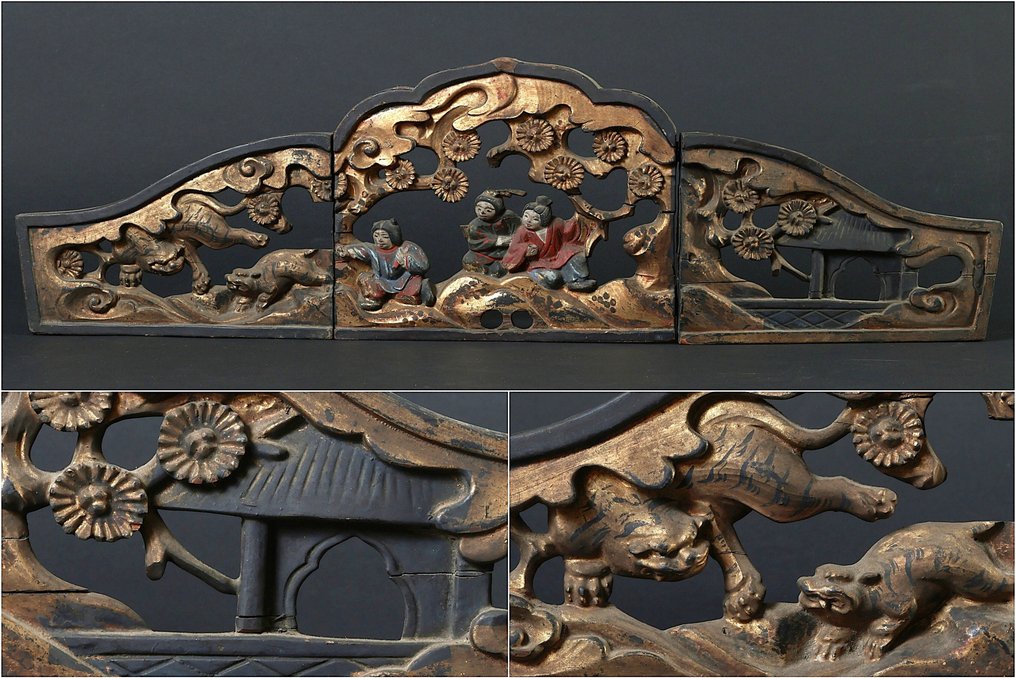
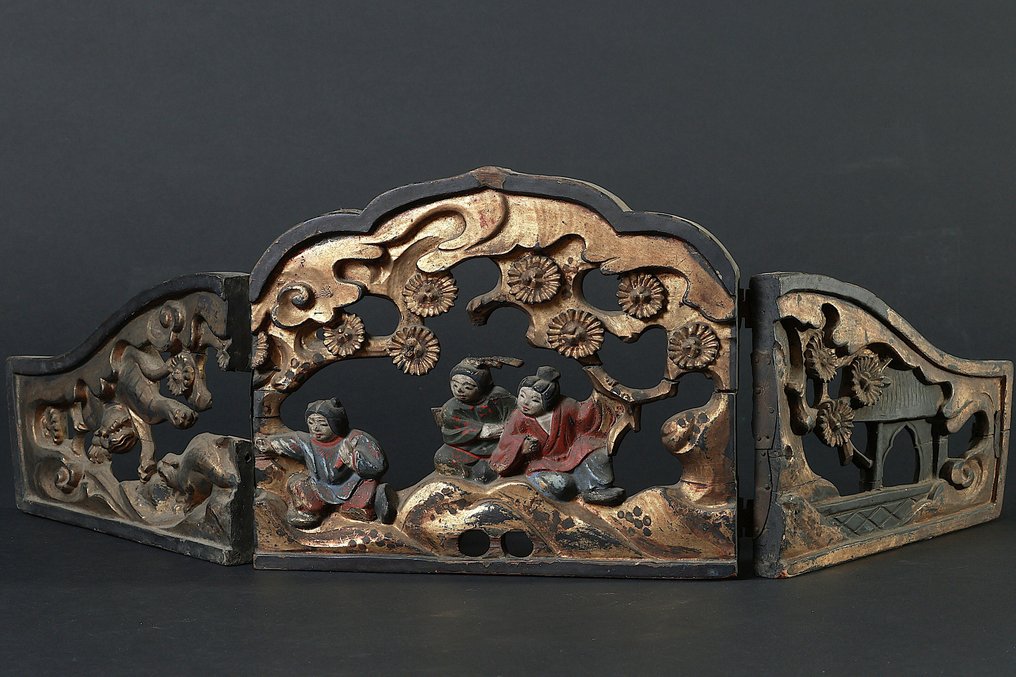
江戶時代屏風 byobu,木質透雕,漆金裝飾,約高19公分,寬66公分,深2公分,來源日本;圖示為母虎與幼虎、花樹下的三名中國人物,以及亭子,表面有漆面龜裂與木料損耗,保存狀況良好至一般。
AI輔助摘要
賣家描述
【Important notes】
・International buyers are responsible for any import duties, taxes, and charges not included in the item price or shipping cost. Please note that VAT paid to Catawiki is separate from and does not cover import duties or customs charges in your country. You may still be required to pay additional fees upon delivery, as determined by your local customs authorities.
・Shipping Details: Most items are shipped via Japan Post EMS (airmail). If you are in a hurry, we can arrange shipping via DHL or FedEx upon request for an additional fee.
・Damage and Issues: If you receive a damaged item, please contact us immediately. The damage must be reported to your local post office within 7 days of delivery, and promptly to us and Catawiki support.
【Product details】
A small three-panel folding screen (byobu) from the Edo period, hand-carved in wood using an openwork (pierced) technique and richly decorated with lacquer and gold. The arched form is connected by hinges, allowing it to be displayed either folded or extended.
The left panel depicts a tigress with her cub, embodying strength, courage, and protection. Tigers in East Asian art are often regarded as guardian beasts, warding off evil spirits and symbolising natural power. The central panel shows three Chinese figures in brightly painted robes beneath a flowering tree. Such depictions of Chinese figures reflect Japan’s fascination with continental culture, often symbolising wisdom, exotic refinement, and scholarly ideals. The right panel features an architectural pavilion, suggesting cultural exchange and harmony. Decorative blossoms frame the scene throughout, enhancing the lively narrative. The gold areas are created with lacquer mixed with gold powder, giving a luminous finish.
This openwork carving combines animal symbolism, cultural motifs, and architectural imagery, reflecting the eclectic artistic influences of the Edo period.
Condition: Signs of age and wear, with scuffs, scratches, flaking and cracks in the lacquer, wood losses, discolouration, dirt, missing metal fittings, and surface deterioration. Some sections of wood show splits and breaks with a few repaired areas. Metal fittings show rust, and there is accumulated dust. Please check the photos carefully for details of the condition.
Dimensions: approx. H 19 cm W 66 cm D 2 cm
・Please make sure to review all the provided information and images before placing your bid.
・We make every effort to accurately represent the product's colors and textures in our photos. However, due to differences in monitors and device displays, as well as photographic conditions, slight color variations between the photos and the actual product may occur. We ask for your understanding in advance.
Thank you for your interest, and happy bidding!
賣家的故事
歡迎來到 Yorozuya Arinsu!
我們是一家位於東京郊區的古董店,最初專注於日本市場,但自豪地擴展到為國際客戶提供服務。 2023 年 8 月,我們成為卡塔維基上的專業賣家,從那時起,我們很高興與世界各地的收藏家分享我們對日本藝術和古董的熱情。
我們的收藏包括各種各樣的物品,從真正的古董到當代藝術作品。我們為提供反映日本豐富文化遺產和現代創造力的獨特、高品質的物品而感到自豪。如果您有特定的需求,請隨時在 Instagram 上聯絡我們:【yorozuya_arinsu】
感謝您光臨我們的商店,我們期待幫助您找到下一件特別的作品!
由Google翻譯翻譯【Important notes】
・International buyers are responsible for any import duties, taxes, and charges not included in the item price or shipping cost. Please note that VAT paid to Catawiki is separate from and does not cover import duties or customs charges in your country. You may still be required to pay additional fees upon delivery, as determined by your local customs authorities.
・Shipping Details: Most items are shipped via Japan Post EMS (airmail). If you are in a hurry, we can arrange shipping via DHL or FedEx upon request for an additional fee.
・Damage and Issues: If you receive a damaged item, please contact us immediately. The damage must be reported to your local post office within 7 days of delivery, and promptly to us and Catawiki support.
【Product details】
A small three-panel folding screen (byobu) from the Edo period, hand-carved in wood using an openwork (pierced) technique and richly decorated with lacquer and gold. The arched form is connected by hinges, allowing it to be displayed either folded or extended.
The left panel depicts a tigress with her cub, embodying strength, courage, and protection. Tigers in East Asian art are often regarded as guardian beasts, warding off evil spirits and symbolising natural power. The central panel shows three Chinese figures in brightly painted robes beneath a flowering tree. Such depictions of Chinese figures reflect Japan’s fascination with continental culture, often symbolising wisdom, exotic refinement, and scholarly ideals. The right panel features an architectural pavilion, suggesting cultural exchange and harmony. Decorative blossoms frame the scene throughout, enhancing the lively narrative. The gold areas are created with lacquer mixed with gold powder, giving a luminous finish.
This openwork carving combines animal symbolism, cultural motifs, and architectural imagery, reflecting the eclectic artistic influences of the Edo period.
Condition: Signs of age and wear, with scuffs, scratches, flaking and cracks in the lacquer, wood losses, discolouration, dirt, missing metal fittings, and surface deterioration. Some sections of wood show splits and breaks with a few repaired areas. Metal fittings show rust, and there is accumulated dust. Please check the photos carefully for details of the condition.
Dimensions: approx. H 19 cm W 66 cm D 2 cm
・Please make sure to review all the provided information and images before placing your bid.
・We make every effort to accurately represent the product's colors and textures in our photos. However, due to differences in monitors and device displays, as well as photographic conditions, slight color variations between the photos and the actual product may occur. We ask for your understanding in advance.
Thank you for your interest, and happy bidding!
賣家的故事
歡迎來到 Yorozuya Arinsu!
我們是一家位於東京郊區的古董店,最初專注於日本市場,但自豪地擴展到為國際客戶提供服務。 2023 年 8 月,我們成為卡塔維基上的專業賣家,從那時起,我們很高興與世界各地的收藏家分享我們對日本藝術和古董的熱情。
我們的收藏包括各種各樣的物品,從真正的古董到當代藝術作品。我們為提供反映日本豐富文化遺產和現代創造力的獨特、高品質的物品而感到自豪。如果您有特定的需求,請隨時在 Instagram 上聯絡我們:【yorozuya_arinsu】
感謝您光臨我們的商店,我們期待幫助您找到下一件特別的作品!
由Google翻譯翻譯詳細資料
時代
1400-1900
Over 200 years old
是
原產國
日本
材質
Tigers, Chinese Figures, and Pavilion
朝代風格/時期
江戶時代(1600-1868)
狀態
一般 - 大量使用痕跡或遺失部分零件
Height
19 cm
Width
66 cm
Depth
2 cm
大概年份
Antique
