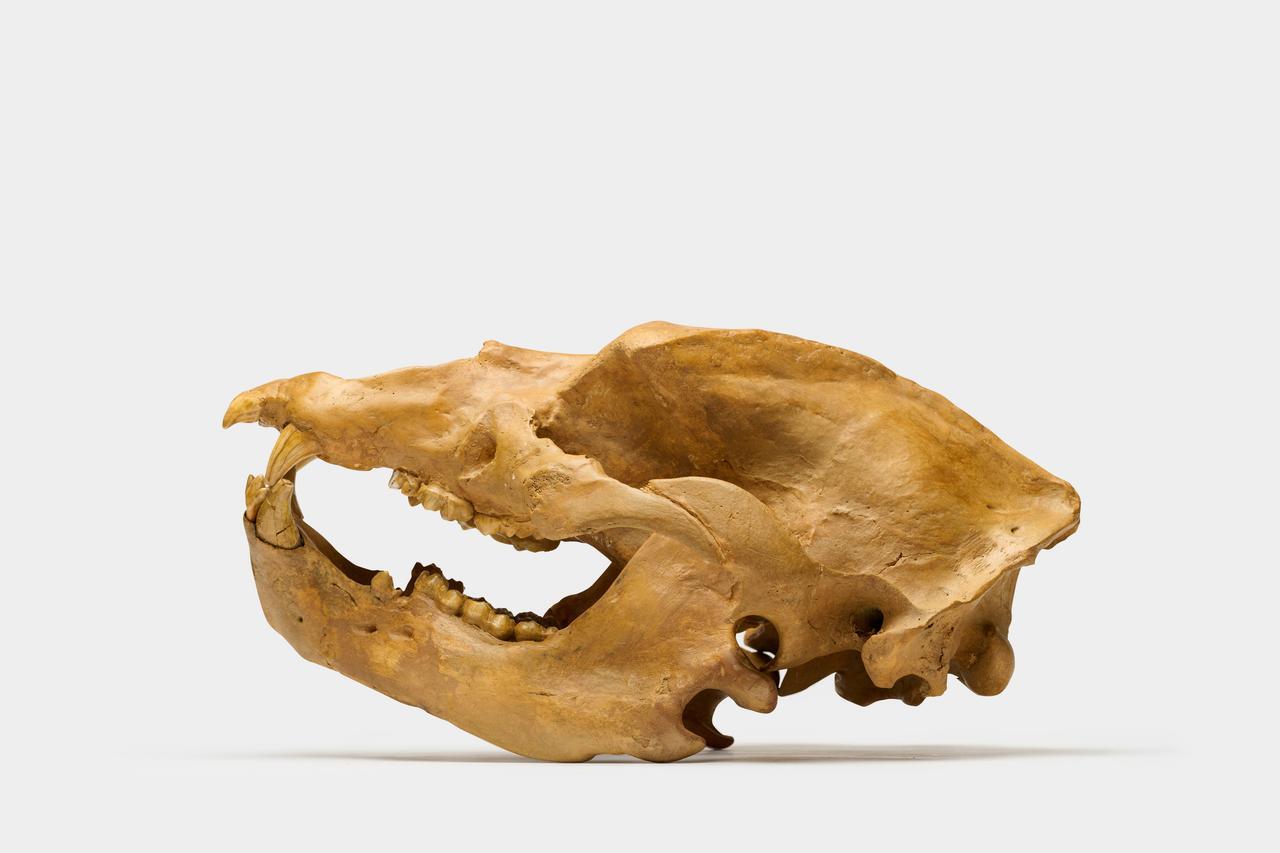
Μεγάλος Basilosaurid cf Pappocetus (Πρόγονος της φάλαινας) Δόντια γόμφια σε μερικό οστό της κάτω - Απολιθωμένα δόντια


08
ημέρες
22
ώρες
02
λεπτά
31
δευτερόλεπτα
Εναρκτήρια προσφορά
€ 1
Τιμή επιφύλαξης δεν επιτεύχθηκε

Δεν υποβλήθηκαν προσφορές
Προστασία Αγοραστή Catawiki
Η πληρωμή σας είναι ασφαλής μαζί μας μέχρι να παραλάβετε το αντικείμενό σας.Προβολή λεπτομερειών
Trustpilot 4.4 | 128441 κριτικών
Βαθμολογήθηκε με Άριστα στο Trustpilot.
Χημικό όνομα: Ανεύρετη Basilosaurid; Δείγμα: Μεγάλα οδοντικά Basilosaurid cf Pappocetus (προκάτοχος φαλαινοειδών) δόντια σε μερικό άνω ή κάτω σιαγόνας οστού; Γεωλογική Περίοδος: Λατινο Εώκεν (~40 εκατομμύρια χρόνια); Κατάσταση: Ανακαινισμένο.
Περίληψη με τη βοήθεια τεχνητής νοημοσύνης
Περιγραφή από τον πωλητή
Scientific name: Unidentified Basilosaurid - (primitive whale ancestor) - Potencial cf Pappocetus lugardi - Premolar and Molar Tooth in partial right dentary bone.
Location: Dakhla, Western Sahara, South Morocco
Geological Formation: Samlat - Aridal Formation
Age: Late Eocene (~40 Million Years)
Size: 12 x 11 cm
REF.: #J526
DESCRIPTION:
Nicely preserved premolar and molar teeth from cf Pappocetus lugardi, a type of protocetid cetacean (early whale ancestor). They are still positioned within the partial right dentary bone and naturally associated with it. These outstanding teeth come from the Middle Eocene-age Aridal and Samlat Formations, located in the Western Sahara near Gueran, Morocco. They're commonly found associated with teeth of the shark Otodus sokolovi (Carcharocles auriculatus), a megalodon ancestor.
There are few glued stabilized filled cracks through the crown and the dentary bone has spots of gap fill restoration. But nothing serious. Its an amazing specimen. They are last premolar and first molar of right dentary.
Pappocetus lugardi is an extinct species of protocetid whale that lived during the Eocene epoch (approximately 40–44 million years ago) in Africa. As a transitional form between land and sea, this amphibious, 20–25 foot long carnivore is considered an ancestor of Basilosaurus and represents a crucial stage in whale evolution.
Key Facts About Pappocetus lugardi:
Discovery: First described by C.W. Andrews in 1920 based on fossils from the Ameki Formation in Nigeria. Additional specimens have been found in the Sahara Desert in Morocco.
Evolutionary Position: Pappocetus belongs to the family Protocetidae, which are early, amphibious whales that could likely move on land using their large limbs, while also being capable swimmers.
Physical Characteristics:
Size: Estimated to be around 20-25 feet in length.
Diet/Habits: A large, amphibious, aquatic carnivore with robust teeth, likely relying on vision and smell for hunting.
Appearance: More whale-like than its predecessors, with a streamlined body, yet retaining functional, though reduced, hind limbs.
Fossil Record: Known from jaw fragments, teeth, and skull material.
Relation to Modern Whales: While it was a transitional form, it is unlikely to have possessed the modern echolocation abilities found in later cetaceans.
All of our fossils come with a Certificate of Authenticity. Every week, the issued Certificates of Authenticity are updated in our database verification system on our website. If you find that your certificate has not yet been updated, please contact us and we will update it immediately. Display box NOT included.
IMPORTANT SHIPPING INFORMATION:
Our company is based in the USA, but our headquarters and products are located in Europe. Therefore, ALL PRODUCTS WILL BE SHIPPED FROM EUROPE. Consequently, any European customer will receive their shipment without any import charges, as it will be an intra-community shipment.
For customers in the USA: Shipments will be made via UPS from Europe, and in this case, we will be responsible for any import charges. These will be paid online by us before the package arrives. Therefore, US customers will not pay any import fees.
For the rest of the world: We are not responsible for any import charges applicable to the destination country.
Ιστορία πωλητή
Μετάφραση από Google ΜετάφρασηScientific name: Unidentified Basilosaurid - (primitive whale ancestor) - Potencial cf Pappocetus lugardi - Premolar and Molar Tooth in partial right dentary bone.
Location: Dakhla, Western Sahara, South Morocco
Geological Formation: Samlat - Aridal Formation
Age: Late Eocene (~40 Million Years)
Size: 12 x 11 cm
REF.: #J526
DESCRIPTION:
Nicely preserved premolar and molar teeth from cf Pappocetus lugardi, a type of protocetid cetacean (early whale ancestor). They are still positioned within the partial right dentary bone and naturally associated with it. These outstanding teeth come from the Middle Eocene-age Aridal and Samlat Formations, located in the Western Sahara near Gueran, Morocco. They're commonly found associated with teeth of the shark Otodus sokolovi (Carcharocles auriculatus), a megalodon ancestor.
There are few glued stabilized filled cracks through the crown and the dentary bone has spots of gap fill restoration. But nothing serious. Its an amazing specimen. They are last premolar and first molar of right dentary.
Pappocetus lugardi is an extinct species of protocetid whale that lived during the Eocene epoch (approximately 40–44 million years ago) in Africa. As a transitional form between land and sea, this amphibious, 20–25 foot long carnivore is considered an ancestor of Basilosaurus and represents a crucial stage in whale evolution.
Key Facts About Pappocetus lugardi:
Discovery: First described by C.W. Andrews in 1920 based on fossils from the Ameki Formation in Nigeria. Additional specimens have been found in the Sahara Desert in Morocco.
Evolutionary Position: Pappocetus belongs to the family Protocetidae, which are early, amphibious whales that could likely move on land using their large limbs, while also being capable swimmers.
Physical Characteristics:
Size: Estimated to be around 20-25 feet in length.
Diet/Habits: A large, amphibious, aquatic carnivore with robust teeth, likely relying on vision and smell for hunting.
Appearance: More whale-like than its predecessors, with a streamlined body, yet retaining functional, though reduced, hind limbs.
Fossil Record: Known from jaw fragments, teeth, and skull material.
Relation to Modern Whales: While it was a transitional form, it is unlikely to have possessed the modern echolocation abilities found in later cetaceans.
All of our fossils come with a Certificate of Authenticity. Every week, the issued Certificates of Authenticity are updated in our database verification system on our website. If you find that your certificate has not yet been updated, please contact us and we will update it immediately. Display box NOT included.
IMPORTANT SHIPPING INFORMATION:
Our company is based in the USA, but our headquarters and products are located in Europe. Therefore, ALL PRODUCTS WILL BE SHIPPED FROM EUROPE. Consequently, any European customer will receive their shipment without any import charges, as it will be an intra-community shipment.
For customers in the USA: Shipments will be made via UPS from Europe, and in this case, we will be responsible for any import charges. These will be paid online by us before the package arrives. Therefore, US customers will not pay any import fees.
For the rest of the world: We are not responsible for any import charges applicable to the destination country.
Ιστορία πωλητή
Μετάφραση από Google ΜετάφρασηΛεπτομέρειες
Είδος
Huge Basilosaurid cf Pappocetus (Whale Ancestor) Molar Teeth in Partial Dentary Bone
Geological Period
Late Eocene (~40 Million Years)
Κατάσταση
Επιδιορθωμένη
Γνησιότητα
Αυθεντικό/επίσημο
Πωλήθηκε από τον/-ην