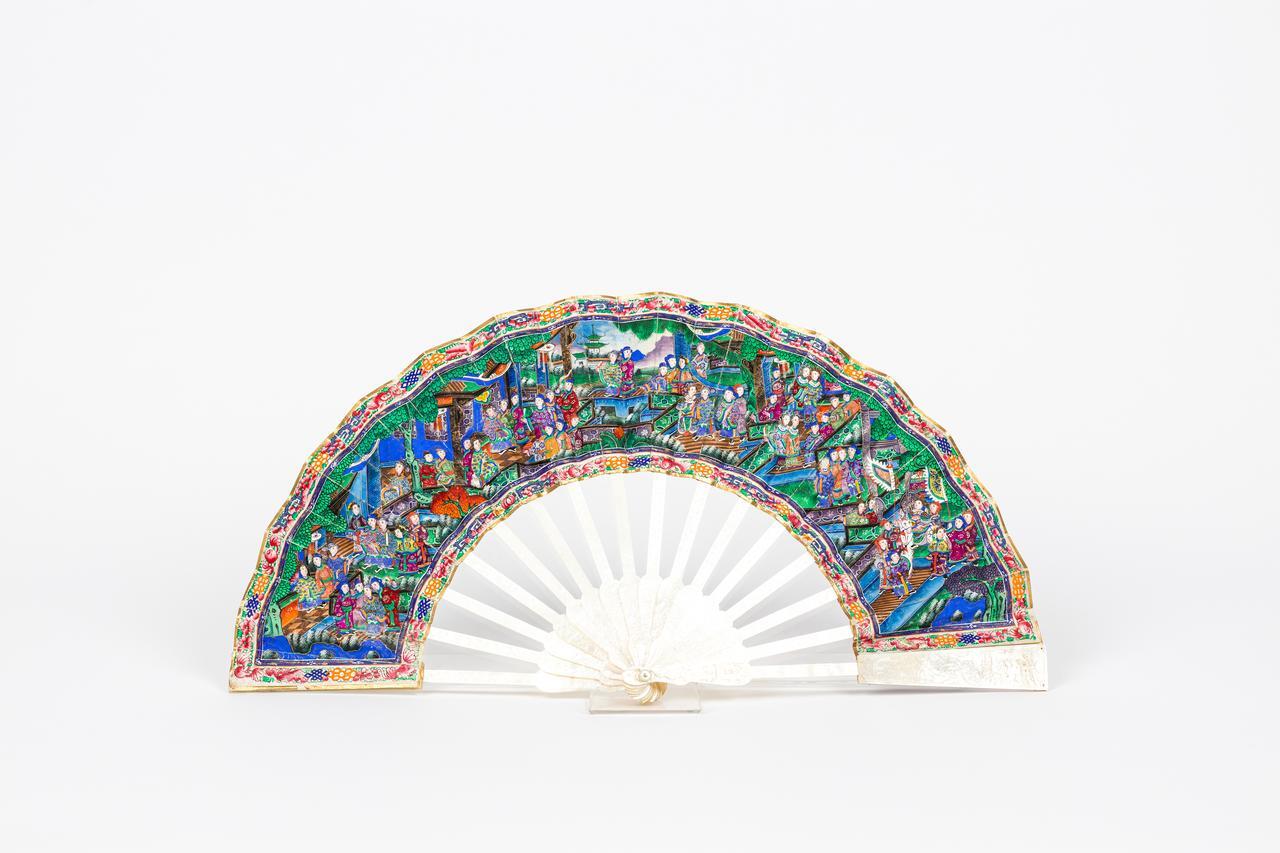
Βάζο - Πορσελάνη - Κίνα (χωρίς τιμή ασφαλείας)


03
ημέρες
06
ώρες
00
λεπτά
46
δευτερόλεπτα

9 άλλα άτομα παρακολουθούν αυτό το αντικείμενο
 | 2 € | |
|---|---|---|
 | 1 € |
Προστασία Αγοραστή Catawiki
Η πληρωμή σας είναι ασφαλής μαζί μας μέχρι να παραλάβετε το αντικείμενό σας.Προβολή λεπτομερειών
Trustpilot 4.4 | 134434 κριτικών
Βαθμολογήθηκε με Άριστα στο Trustpilot.
Κινεζικό φανάρι από πορσελάνη Famille Rose του 20ού αιώνα, Crane & Peony, ύψος 29 cm, φέρει τη σφραγίδα Da Qing Dao Guang Nian Zhi, σε εξαιρετική κατάσταση.
Περίληψη με τη βοήθεια τεχνητής νοημοσύνης
Περιγραφή από τον πωλητή
20th-Century Chinese Famille Rose 'Crane & Peony' Lantern Vase
(Marked Da Qing Dao Guang Nian Zhi)
Dimensions: 29 cm in height
Form & Silhouette
This vase is crafted in the classic lantern vase (denglong zun) form, a design inspired by traditional Chinese paper lanterns and popularized during the Qing dynasty. It features a short, subtly tapering neck leading to a wide, flared rim; a broad, rounded midsection that tapers gently toward the foot; and a flat, stable base. The balanced proportions and graceful silhouette echo the refined aesthetic of 19th-century imperial lantern vases, creating an elegant, timeless profile.
Decoration & Auspicious Motif
The vase is richly adorned with hand-painted famille rose enamelwork depicting a quintessential Chinese auspicious scene centered on longevity and prosperity. The main body features multiple red-crowned cranes, evergreen pine trees, and vibrant blooming peonies, all rendered in soft, luminous famille rose tones:
- Red-crowned cranes (he): Revered symbols of longevity, immortality, and wisdom in Chinese culture, their delicate feathers, graceful postures, and iconic red crowns are detailed with fine brushwork.
- Pine trees: Evergreen through harsh winters, they represent resilience and enduring life, pairing with cranes to reinforce wishes for a long, healthy life.
- Peonies (mudan): Known as the "king of flowers," they symbolize wealth, prosperity, and good fortune. Their lush, multi-colored petals and foliage are painted with subtle color gradations, adding depth and vibrancy to the composition.
The scene is balanced and lively, with natural elements harmoniously arranged to evoke a peaceful, idyllic landscape.
Poetic Inscription
On the reverse side, a black-ink calligraphic poem complements the painted motif, accompanied by small red seal marks. The verses read:
華表千年鶴一歸,
銜丹為頂雪為衣。
星星倦語人龍盡,
欲向白雲翔翅飛。
Drawing on classic Chinese crane lore (including the tale of cranes returning to Huabiao stone pillars after a thousand years), the poem celebrates the bird’s association with transcendence and freedom. It describes the crane’s red crown and snow-white plumage, and its longing to soar among the clouds, adding a literary, poetic layer to the decorative art. The calligraphy is neatly executed, matching the craftsmanship of the painted motifs.
Base Mark
The underside bears a six-character red seal mark in standard script: Da Qing Dao Guang Nian Zhi (大清道光年制), translating to “Made in the Daoguang Reign of the Great Qing Dynasty.” While referencing the 19th-century Daoguang period (1821–1850), this mark is characteristic of 20th-century Chinese porcelain production, where traditional imperial marks were used as a tribute to earlier Qing dynasty styles.
Condition & Period
Dating to the 20th century, this vase reflects the era’s revival of traditional famille rose techniques and Qing-inspired designs. It is in excellent, undamaged condition, with no chips, cracks, repairs, or significant wear. The enamel colors remain bright and vivid, the glaze retains its smooth, lustrous finish, and all decorative elements are fully intact.
This piece represents a fine example of 20th-century Chinese decorative porcelain, blending classic auspicious symbolism, poetic artistry, and elegant form to create a culturally resonant, visually striking work.
20th-Century Chinese Famille Rose 'Crane & Peony' Lantern Vase
(Marked Da Qing Dao Guang Nian Zhi)
Dimensions: 29 cm in height
Form & Silhouette
This vase is crafted in the classic lantern vase (denglong zun) form, a design inspired by traditional Chinese paper lanterns and popularized during the Qing dynasty. It features a short, subtly tapering neck leading to a wide, flared rim; a broad, rounded midsection that tapers gently toward the foot; and a flat, stable base. The balanced proportions and graceful silhouette echo the refined aesthetic of 19th-century imperial lantern vases, creating an elegant, timeless profile.
Decoration & Auspicious Motif
The vase is richly adorned with hand-painted famille rose enamelwork depicting a quintessential Chinese auspicious scene centered on longevity and prosperity. The main body features multiple red-crowned cranes, evergreen pine trees, and vibrant blooming peonies, all rendered in soft, luminous famille rose tones:
- Red-crowned cranes (he): Revered symbols of longevity, immortality, and wisdom in Chinese culture, their delicate feathers, graceful postures, and iconic red crowns are detailed with fine brushwork.
- Pine trees: Evergreen through harsh winters, they represent resilience and enduring life, pairing with cranes to reinforce wishes for a long, healthy life.
- Peonies (mudan): Known as the "king of flowers," they symbolize wealth, prosperity, and good fortune. Their lush, multi-colored petals and foliage are painted with subtle color gradations, adding depth and vibrancy to the composition.
The scene is balanced and lively, with natural elements harmoniously arranged to evoke a peaceful, idyllic landscape.
Poetic Inscription
On the reverse side, a black-ink calligraphic poem complements the painted motif, accompanied by small red seal marks. The verses read:
華表千年鶴一歸,
銜丹為頂雪為衣。
星星倦語人龍盡,
欲向白雲翔翅飛。
Drawing on classic Chinese crane lore (including the tale of cranes returning to Huabiao stone pillars after a thousand years), the poem celebrates the bird’s association with transcendence and freedom. It describes the crane’s red crown and snow-white plumage, and its longing to soar among the clouds, adding a literary, poetic layer to the decorative art. The calligraphy is neatly executed, matching the craftsmanship of the painted motifs.
Base Mark
The underside bears a six-character red seal mark in standard script: Da Qing Dao Guang Nian Zhi (大清道光年制), translating to “Made in the Daoguang Reign of the Great Qing Dynasty.” While referencing the 19th-century Daoguang period (1821–1850), this mark is characteristic of 20th-century Chinese porcelain production, where traditional imperial marks were used as a tribute to earlier Qing dynasty styles.
Condition & Period
Dating to the 20th century, this vase reflects the era’s revival of traditional famille rose techniques and Qing-inspired designs. It is in excellent, undamaged condition, with no chips, cracks, repairs, or significant wear. The enamel colors remain bright and vivid, the glaze retains its smooth, lustrous finish, and all decorative elements are fully intact.
This piece represents a fine example of 20th-century Chinese decorative porcelain, blending classic auspicious symbolism, poetic artistry, and elegant form to create a culturally resonant, visually striking work.
Λεπτομέρειες
Εποχή
1900-2000
Χώρα
Κίνα
Υλικό
Πορσελάνη
Κατάσταση
Excellent condition: barely used with minimal signs of wear
Height
29 cm
Width
0 cm
Depth
0 cm
Estimated period
1980-1990, 1990-2000
Πωλήθηκε από τον/-ην