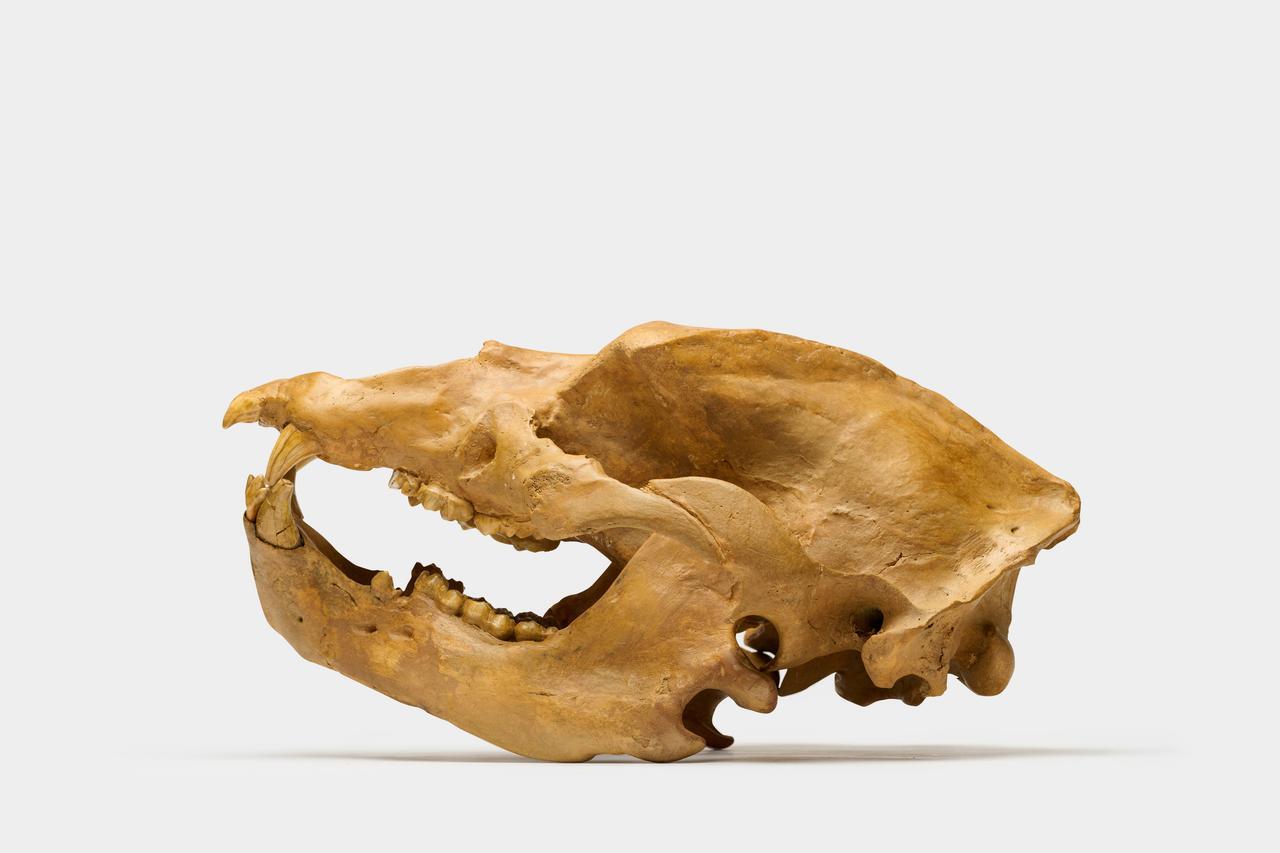
Εξαιρετικά τεράστιος Basilosaurid cf Pappocetus (πρόγονος της φάλαινας) ριζωμένο δόντι προγόμφιου - Απολιθωμένο δόντι


00
ημέρες
20
ώρες
34
λεπτά
45
δευτερόλεπτα
Τρέχουσα προσφορά
€ 50
Τιμή επιφύλαξης δεν επιτεύχθηκε

 | 50 € | |
|---|---|---|
 | 1 € |
Προστασία Αγοραστή Catawiki
Η πληρωμή σας είναι ασφαλής μαζί μας μέχρι να παραλάβετε το αντικείμενό σας.Προβολή λεπτομερειών
Trustpilot 4.4 | 139133 κριτικών
Βαθμολογήθηκε με Άριστα στο Trustpilot.
Επιστημονικό όνομα: Άγνωστος Basilosaurid (cf Pappocetus lugardi); Δείγμα: Εξαιρετικά μεγάλος Basilosaurid cf Pappocetus (πρόγονος φάλαινας) ριζωμένος προμόλαρος δόντι; Γεωλογική περίοδος: Μέσο-Τε form Late Eocen (~40 εκατομμύρια χρόνια); Μεταχείριση: Τουρισμένο; Κατάσταση: Αρχικό/επίσημο.
Περίληψη με τη βοήθεια τεχνητής νοημοσύνης
Περιγραφή από τον πωλητή
Scientific name: Unidentified Basilosaurid - (primitive whale ancestor) - Potencial cf Pappocetus lugardi - rooted Pre-Molar Tooth
Location: Dakhla, Western Sahara, South Morocco
Geological Formation: Samlat - Aridal Formation
Age: Late Eocene (~40 Million Years)
Size: 10,9 cm
REF.: #J623
DESCRIPTION:
Νicely preserved pre-molar tooth from cf Pappocetus lugardi, a type of protocetid cetacean (early whale ancestor). These outstanding teeth come from the Middle Eocene-age Aridal and Samlat Formations, located in the Western Sahara near Gueran, Morocco. They're commonly found associated with teeth of the shark Otodus sokolovi (Carcharocles auriculatus), a megalodon ancestor.
There are few restorations through the crown, where a fracture have been glued and filled. However, the root and almost all the tooth its fully natural. The specimen has been stabilized with Paraloid B72 to ensure its long term proper preservation. Its the first premolar of dentary.
Pappocetus lugardi is an extinct species of protocetid whale that lived during the Eocene epoch (approximately 40–44 million years ago) in Africa. As a transitional form between land and sea, this amphibious, 20–25 foot long carnivore is considered an ancestor of Basilosaurus and represents a crucial stage in whale evolution.
Key Facts About Pappocetus lugardi:
Discovery: First described by C.W. Andrews in 1920 based on fossils from the Ameki Formation in Nigeria. Additional specimens have been found in the Sahara Desert in Morocco.
Evolutionary Position: Pappocetus belongs to the family Protocetidae, which are early, amphibious whales that could likely move on land using their large limbs, while also being capable swimmers.
Physical Characteristics:
Size: Estimated to be around 20-25 feet in length.
Diet/Habits: A large, amphibious, aquatic carnivore with robust teeth, likely relying on vision and smell for hunting.
Appearance: More whale-like than its predecessors, with a streamlined body, yet retaining functional, though reduced, hind limbs.
Fossil Record: Known from jaw fragments, teeth, and skull material.
Relation to Modern Whales: While it was a transitional form, it is unlikely to have possessed the modern echolocation abilities found in later cetaceans.
All of our fossils come with a Certificate of Authenticity. Every week, the issued Certificates of Authenticity are updated in our database verification system on our website. If you find that your certificate has not yet been updated, please contact us and we will update it immediately. Display box NOT included.
Ιστορία πωλητή
Το Jurassic Dreams αποτελεί το μεγαλύτερο διαδικτυακό κατάστημα απολιθωμάτων δεινοσαύρων παγκοσμίως, χωρίς ισοδύναμο ως η πιο αξιόπιστη πηγή για γνήσια απολιθωμένα δείγματα. Είμαστε το μόνο κορυφαίο διαδικτυακό κατάστημα απολιθωμάτων που ανήκει σε πιστοποιημένο γεωλόγο και ειδικό στην παλαιοντολογία. Επιπλέον, διαθέτουμε εξαιρετικά αυθεντικά μετεωρίτες από όλο το σύμπαν.
Με δεκάδες διαφορετικά δείγματα σε απόθεμα... οι πελάτες μας επιστρέφουν συνεχώς. Διότι, με απλό τρόπο, η βιωσιμότητα ζωής που προσφέρουμε είναι αδιαπραγμάτευτη.
Το όνομά μου είναι Juan A. Poblador και διαθέτω ισχυρό ακαδημαϊκό υπόβαθρο στην Παλαιοντολογία και τη Γεωλογία από το Πανεπιστήμιο της Μαδρίτης και το Πανεπιστήμιο του Αλικάντε. Έχω συμμετάσχει σε προγράμματα ανασκαφών απολιθωμάτων σε διάφορες τοποθεσίες, κυρίως στην Ευρώπη και στην Αφρική, για πάνω από 10 χρόνια. Η συγγραφή επιστημονικά ακριβών περιγραφών για κάθε δείγμα είναι μια από τις εργασίες που καταναλώνουν τον περισσότερο χρόνο μου. Προφανώς, ο εντοπισμός ψεύτικων και αποκαταστημένων απολιθωμάτων είναι δευτερεύουσα υπόθεση για μένα. Έτσι, μπορείτε να είστε σίγουροι ότι κάθε απολίθωμα σε αυτό τον ιστότοπο έχει εξεταστεί και ελεγχθεί προσεκτικά από εμένα.
Έχω εξυπηρετήσει συλλέκτες και λάτρεις των απολιθωμάτων με τα χρόνια. Έχω επίσης προμηθεύσει μουσεία και ιδρύματα. Συνδιαλέγω τη μελέτη και έρευνα σημαντικών δειγμάτων με την έκθεση και την πώληση πολλών άλλων εντοπισμών, γεγονός που βοηθά τη χρηματοδότηση των νέων εκστρατειών.
Επιπλέον, διαθέτω μια μικρή ομάδα βοηθητικού προσωπικού για τη διαχείριση logistics. Τους έχω εκπαιδεύσει προσωπικά ώστε να χειρίζονται και να πακετάρουν τα απολιθώματα σωστά ώστε να μπορούν να αποσταλούν εντός 24 ωρών και να φτάσουν στην πόρτα σας σε ένα κομμάτι.
Τελευταίο αλλά εξίσου σημαντικό, έχω την τύχη να διατηρώ ένα εξαιρετικό δίκτυο άλλων έμπειρων παλαιοντόλογων, με τους οποίους συζητώ τα πιο σπάνια αντικείμενα, νέες ανακαλύψεις και επισκέψεις εξερεύνησης σε απομονωμένες ορυζοφόρους... Αν δεν ξέρω κάτι, η παλαιοντολογική κοινότητα πραγματικά βοηθάει.
Μου αρέσει να διαχειρίζομαι το Jurassic Dreams ως μια καλά επιμελημένη διαδικτυακή έκθεση με αντικείμενα επιπέδου μουσείου. Είμαι και ίδιος συλλέκτης και μου αρέσει να μοιράζομαι τη γνώση με άλλους συν-συλλέκτες. Γι’ αυτό θα απαντήσω σε κάθε email όταν έχετε αμφιβολίες ή όταν αγοράζετε, και θα έχετε μια προσωποποιημένη εμπειρία επιλογής απολιθωμάτων.
Το Jurassic Dreams είναι περήφανο μέλος της Ένωσης Εφαρμοσμένων Παλαιοντολογικών Επιστημών (AAPS) και συμμορφώνεται με τον Κώδικα Δεοντολογίας της. Η Ένωση Εφαρμοσμένων Παλαιοντολογικών Επιστημών συνάδει με τις συστάσεις της Έκθεσης της Εθνικής Ακαδημίας Επιστημών για τη Συλλογή Παλαιοντολογικών Δειγμάτων και τις τυπικές επιχειρηματικές πρακτικές και ήθη.
Επιπλέον, είμαστε πιστοποιημένο μέλος #5681 του Διεθνούς Συλλέκτη Μετεωριτών (IMCA) και πιστοποιημένο μέλος της GMA (Global Meteorite Association) G0043. Οι IMCA και GMA είναι οι πιο διακεκριμένες ενώσεις που βοηθούν τους συλλέκτες μετεωριτών στην αναζήτησή τους για αυθεντικούς μετεωρίτες για τη συλλογή τους και βοηθούν άλλους να μαθαίνουν περισσότερα για τους μετεωρίτες.
Ένα φυσικό πιστοποιητικό αυθεντικότητας παραδίδεται δωρεάν με κάθε απολίθωμα που πωλάμε. Αυτή είναι η εγγύησή μας για τη ζωή. Το πιστοποιητικό, ετοιμασμένο ξεχωριστά για κάθε απολίθωμα από τον Juan A. Poblador, έναν ειδικό παλαιοντολόγο, περιέχει ακριβή επιστημονική περιγραφή και η εγκυρότητα του πιστοποιητικού μπορεί να επαληθευθεί online ανά πάσα στιγμή. Επιπλέον, προσφέρεται εγγύηση επιστροφής 100% χρημάτων.
Μετάφραση από Google ΜετάφρασηScientific name: Unidentified Basilosaurid - (primitive whale ancestor) - Potencial cf Pappocetus lugardi - rooted Pre-Molar Tooth
Location: Dakhla, Western Sahara, South Morocco
Geological Formation: Samlat - Aridal Formation
Age: Late Eocene (~40 Million Years)
Size: 10,9 cm
REF.: #J623
DESCRIPTION:
Νicely preserved pre-molar tooth from cf Pappocetus lugardi, a type of protocetid cetacean (early whale ancestor). These outstanding teeth come from the Middle Eocene-age Aridal and Samlat Formations, located in the Western Sahara near Gueran, Morocco. They're commonly found associated with teeth of the shark Otodus sokolovi (Carcharocles auriculatus), a megalodon ancestor.
There are few restorations through the crown, where a fracture have been glued and filled. However, the root and almost all the tooth its fully natural. The specimen has been stabilized with Paraloid B72 to ensure its long term proper preservation. Its the first premolar of dentary.
Pappocetus lugardi is an extinct species of protocetid whale that lived during the Eocene epoch (approximately 40–44 million years ago) in Africa. As a transitional form between land and sea, this amphibious, 20–25 foot long carnivore is considered an ancestor of Basilosaurus and represents a crucial stage in whale evolution.
Key Facts About Pappocetus lugardi:
Discovery: First described by C.W. Andrews in 1920 based on fossils from the Ameki Formation in Nigeria. Additional specimens have been found in the Sahara Desert in Morocco.
Evolutionary Position: Pappocetus belongs to the family Protocetidae, which are early, amphibious whales that could likely move on land using their large limbs, while also being capable swimmers.
Physical Characteristics:
Size: Estimated to be around 20-25 feet in length.
Diet/Habits: A large, amphibious, aquatic carnivore with robust teeth, likely relying on vision and smell for hunting.
Appearance: More whale-like than its predecessors, with a streamlined body, yet retaining functional, though reduced, hind limbs.
Fossil Record: Known from jaw fragments, teeth, and skull material.
Relation to Modern Whales: While it was a transitional form, it is unlikely to have possessed the modern echolocation abilities found in later cetaceans.
All of our fossils come with a Certificate of Authenticity. Every week, the issued Certificates of Authenticity are updated in our database verification system on our website. If you find that your certificate has not yet been updated, please contact us and we will update it immediately. Display box NOT included.
Ιστορία πωλητή
Το Jurassic Dreams αποτελεί το μεγαλύτερο διαδικτυακό κατάστημα απολιθωμάτων δεινοσαύρων παγκοσμίως, χωρίς ισοδύναμο ως η πιο αξιόπιστη πηγή για γνήσια απολιθωμένα δείγματα. Είμαστε το μόνο κορυφαίο διαδικτυακό κατάστημα απολιθωμάτων που ανήκει σε πιστοποιημένο γεωλόγο και ειδικό στην παλαιοντολογία. Επιπλέον, διαθέτουμε εξαιρετικά αυθεντικά μετεωρίτες από όλο το σύμπαν.
Με δεκάδες διαφορετικά δείγματα σε απόθεμα... οι πελάτες μας επιστρέφουν συνεχώς. Διότι, με απλό τρόπο, η βιωσιμότητα ζωής που προσφέρουμε είναι αδιαπραγμάτευτη.
Το όνομά μου είναι Juan A. Poblador και διαθέτω ισχυρό ακαδημαϊκό υπόβαθρο στην Παλαιοντολογία και τη Γεωλογία από το Πανεπιστήμιο της Μαδρίτης και το Πανεπιστήμιο του Αλικάντε. Έχω συμμετάσχει σε προγράμματα ανασκαφών απολιθωμάτων σε διάφορες τοποθεσίες, κυρίως στην Ευρώπη και στην Αφρική, για πάνω από 10 χρόνια. Η συγγραφή επιστημονικά ακριβών περιγραφών για κάθε δείγμα είναι μια από τις εργασίες που καταναλώνουν τον περισσότερο χρόνο μου. Προφανώς, ο εντοπισμός ψεύτικων και αποκαταστημένων απολιθωμάτων είναι δευτερεύουσα υπόθεση για μένα. Έτσι, μπορείτε να είστε σίγουροι ότι κάθε απολίθωμα σε αυτό τον ιστότοπο έχει εξεταστεί και ελεγχθεί προσεκτικά από εμένα.
Έχω εξυπηρετήσει συλλέκτες και λάτρεις των απολιθωμάτων με τα χρόνια. Έχω επίσης προμηθεύσει μουσεία και ιδρύματα. Συνδιαλέγω τη μελέτη και έρευνα σημαντικών δειγμάτων με την έκθεση και την πώληση πολλών άλλων εντοπισμών, γεγονός που βοηθά τη χρηματοδότηση των νέων εκστρατειών.
Επιπλέον, διαθέτω μια μικρή ομάδα βοηθητικού προσωπικού για τη διαχείριση logistics. Τους έχω εκπαιδεύσει προσωπικά ώστε να χειρίζονται και να πακετάρουν τα απολιθώματα σωστά ώστε να μπορούν να αποσταλούν εντός 24 ωρών και να φτάσουν στην πόρτα σας σε ένα κομμάτι.
Τελευταίο αλλά εξίσου σημαντικό, έχω την τύχη να διατηρώ ένα εξαιρετικό δίκτυο άλλων έμπειρων παλαιοντόλογων, με τους οποίους συζητώ τα πιο σπάνια αντικείμενα, νέες ανακαλύψεις και επισκέψεις εξερεύνησης σε απομονωμένες ορυζοφόρους... Αν δεν ξέρω κάτι, η παλαιοντολογική κοινότητα πραγματικά βοηθάει.
Μου αρέσει να διαχειρίζομαι το Jurassic Dreams ως μια καλά επιμελημένη διαδικτυακή έκθεση με αντικείμενα επιπέδου μουσείου. Είμαι και ίδιος συλλέκτης και μου αρέσει να μοιράζομαι τη γνώση με άλλους συν-συλλέκτες. Γι’ αυτό θα απαντήσω σε κάθε email όταν έχετε αμφιβολίες ή όταν αγοράζετε, και θα έχετε μια προσωποποιημένη εμπειρία επιλογής απολιθωμάτων.
Το Jurassic Dreams είναι περήφανο μέλος της Ένωσης Εφαρμοσμένων Παλαιοντολογικών Επιστημών (AAPS) και συμμορφώνεται με τον Κώδικα Δεοντολογίας της. Η Ένωση Εφαρμοσμένων Παλαιοντολογικών Επιστημών συνάδει με τις συστάσεις της Έκθεσης της Εθνικής Ακαδημίας Επιστημών για τη Συλλογή Παλαιοντολογικών Δειγμάτων και τις τυπικές επιχειρηματικές πρακτικές και ήθη.
Επιπλέον, είμαστε πιστοποιημένο μέλος #5681 του Διεθνούς Συλλέκτη Μετεωριτών (IMCA) και πιστοποιημένο μέλος της GMA (Global Meteorite Association) G0043. Οι IMCA και GMA είναι οι πιο διακεκριμένες ενώσεις που βοηθούν τους συλλέκτες μετεωριτών στην αναζήτησή τους για αυθεντικούς μετεωρίτες για τη συλλογή τους και βοηθούν άλλους να μαθαίνουν περισσότερα για τους μετεωρίτες.
Ένα φυσικό πιστοποιητικό αυθεντικότητας παραδίδεται δωρεάν με κάθε απολίθωμα που πωλάμε. Αυτή είναι η εγγύησή μας για τη ζωή. Το πιστοποιητικό, ετοιμασμένο ξεχωριστά για κάθε απολίθωμα από τον Juan A. Poblador, έναν ειδικό παλαιοντολόγο, περιέχει ακριβή επιστημονική περιγραφή και η εγκυρότητα του πιστοποιητικού μπορεί να επαληθευθεί online ανά πάσα στιγμή. Επιπλέον, προσφέρεται εγγύηση επιστροφής 100% χρημάτων.
Μετάφραση από Google ΜετάφρασηΛεπτομέρειες
Είδος
Outstanding Huge Basilosaurid cf Pappocetus (Whale Ancestor) Rooted Pre-Molar Tooth
Geological period
Late Eocene (~40 Million Years)
Κατάσταση
Επιδιορθωμένη
Γνησιότητα
Αυθεντικό/επίσημο
Πωλήθηκε από τον/-ην