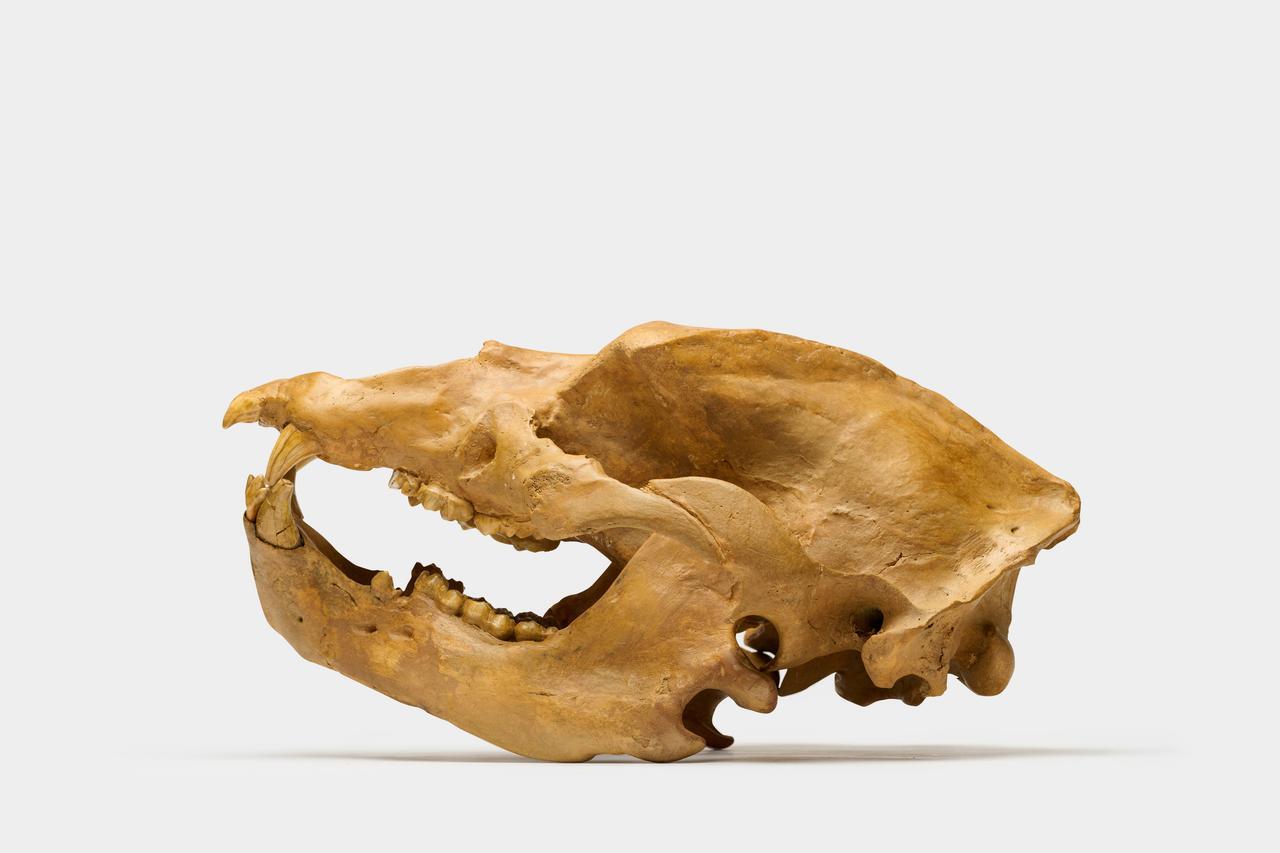
BIG-120CM - Απολιθωμένο ζώο - Ikechosaurus - 100 cm - 50 cm


01
ημέρα
14
ώρες
55
λεπτά
24
δευτερόλεπτα
Τρέχουσα προσφορά
€ 7
Τιμή επιφύλαξης δεν επιτεύχθηκε

 | 7 € | |
|---|---|---|
 | 6 € | |
| 5 € | |
Προστασία Αγοραστή Catawiki
Η πληρωμή σας είναι ασφαλής μαζί μας μέχρι να παραλάβετε το αντικείμενό σας.Προβολή λεπτομερειών
Trustpilot 4.4 | 142734 κριτικών
Βαθμολογήθηκε με Άριστα στο Trustpilot.
Ikechosaurus, ένα φυσικό πρωτότυπο δείγμα σε πινακίδα 120 cm από το Liaoning της Κίνας, χρονολογείται στο Κατώτερο Κρητιδικό (145–100,5 εκατομμύρια χρόνια πριν), ύψος 100 cm, πλάτος 50 cm.
Περίληψη με τη βοήθεια τεχνητής νοημοσύνης
Περιγραφή από τον πωλητή
Scientific Name: Ikechosaurus
Classification: Reptilia — Choristodera
Geological Age: Early Cretaceous
Time Period: Over 100 million years ago
Primary Discovery Site: Liaoning, China
Fish size: 120 cm
Host rock size: 100 cm
Ikechosaurus was a semi-aquatic reptile that lived during the Early Cretaceous period; it is not classified as a true dinosaur. Belonging to the extinct order Choristodera, it bears a resemblance to modern crocodilians, particularly in its distinctively long, slender snout, low-slung body, and long tail. Research from the Institute of Vertebrate Paleontology and Paleoanthropology (Chinese Academy of Sciences) describes it as a "long-snouted choristoderan" and suggests its lifestyle was likely similar to that of crocodilians.
Ikechosaurus was a semi-aquatic prehistoric reptile of the Early Cretaceous (over 100 million years ago). A member of the order Choristodera, it represents a key component of the Cretaceous freshwater reptile fauna of northern China.
Characterized by a slender snout, elongated body, short limbs, and a well-developed long tail, Ikechosaurus exhibits physical traits clearly adapted for an aquatic lifestyle. It is generally believed to have inhabited freshwater environments such as rivers and lakes, feeding on fish and other small aquatic animals.
This specimen is preserved on a large stone slab. The photograph clearly reveals the spatial relationships between the skull, vertebral column, limbs, and tail; the body is posed in an extended position, making for an impressive display piece. Its elongated snout and long tail are particularly distinctive, offering a clear view of the animal's unique anatomy.
The specimen is substantial in size, offering significant value for natural history exhibitions, paleontological research, and private collection.
Note: Due to the difficulty of transporting glass, the specimen is sold unframed; however, the back is reinforced to prevent breakage.
Scientific Name: Ikechosaurus
Classification: Reptilia — Choristodera
Geological Age: Early Cretaceous
Time Period: Over 100 million years ago
Primary Discovery Site: Liaoning, China
Fish size: 120 cm
Host rock size: 100 cm
Ikechosaurus was a semi-aquatic reptile that lived during the Early Cretaceous period; it is not classified as a true dinosaur. Belonging to the extinct order Choristodera, it bears a resemblance to modern crocodilians, particularly in its distinctively long, slender snout, low-slung body, and long tail. Research from the Institute of Vertebrate Paleontology and Paleoanthropology (Chinese Academy of Sciences) describes it as a "long-snouted choristoderan" and suggests its lifestyle was likely similar to that of crocodilians.
Ikechosaurus was a semi-aquatic prehistoric reptile of the Early Cretaceous (over 100 million years ago). A member of the order Choristodera, it represents a key component of the Cretaceous freshwater reptile fauna of northern China.
Characterized by a slender snout, elongated body, short limbs, and a well-developed long tail, Ikechosaurus exhibits physical traits clearly adapted for an aquatic lifestyle. It is generally believed to have inhabited freshwater environments such as rivers and lakes, feeding on fish and other small aquatic animals.
This specimen is preserved on a large stone slab. The photograph clearly reveals the spatial relationships between the skull, vertebral column, limbs, and tail; the body is posed in an extended position, making for an impressive display piece. Its elongated snout and long tail are particularly distinctive, offering a clear view of the animal's unique anatomy.
The specimen is substantial in size, offering significant value for natural history exhibitions, paleontological research, and private collection.
Note: Due to the difficulty of transporting glass, the specimen is sold unframed; however, the back is reinforced to prevent breakage.
Λεπτομέρειες
Είδος
BIG-120CM
Επιστημονικό όνομα
Ikechosaurus
Χώρα
Κίνα
Geological period
Κρητιδική, Κάτω περίοδος (145 - 100,5 εκατομμύρια χρόνια)
Κατάσταση
Φυσικό
Height
100 cm
Width
50 cm
Γνησιότητα
Αυθεντικό/επίσημο
Πωλήθηκε από τον/-ην