Μεσοποταμιακή Αγγειοπλαστική Τούβλο θεμελίωσης (χωρίς τιμή ασφαλείας)


02
ημέρες
11
ώρες
44
λεπτά
53
δευτερόλεπτα
Τρέχουσα προσφορά
€ 4
χωρίς τιμή ασφαλείας

Ειδικός
Επιλεγμένο από Ruth Garrido Vila
Διηύθυνε το Μουσείο Συλλογής Ifergan, ειδικευμένη στην Φοινικική αρχαιολογία.
Εκτιμήστε € 330 - € 400
26 άλλα άτομα παρακολουθούν αυτό το αντικείμενο
 Πλειοδότης 5288 Πλειοδότης 5288 | 4 € | |
|---|---|---|
 Πλειοδότης 1482 Πλειοδότης 1482 | 3 € | |
 Πλειοδότης 3729 Πλειοδότης 3729 | 2 € | |
Προστασία Αγοραστή Catawiki
Η πληρωμή σας είναι ασφαλής μαζί μας μέχρι να παραλάβετε το αντικείμενό σας.Προβολή λεπτομερειών
Trustpilot 4.4 | 121798 κριτικών
Βαθμολογήθηκε με Άριστα στο Trustpilot.
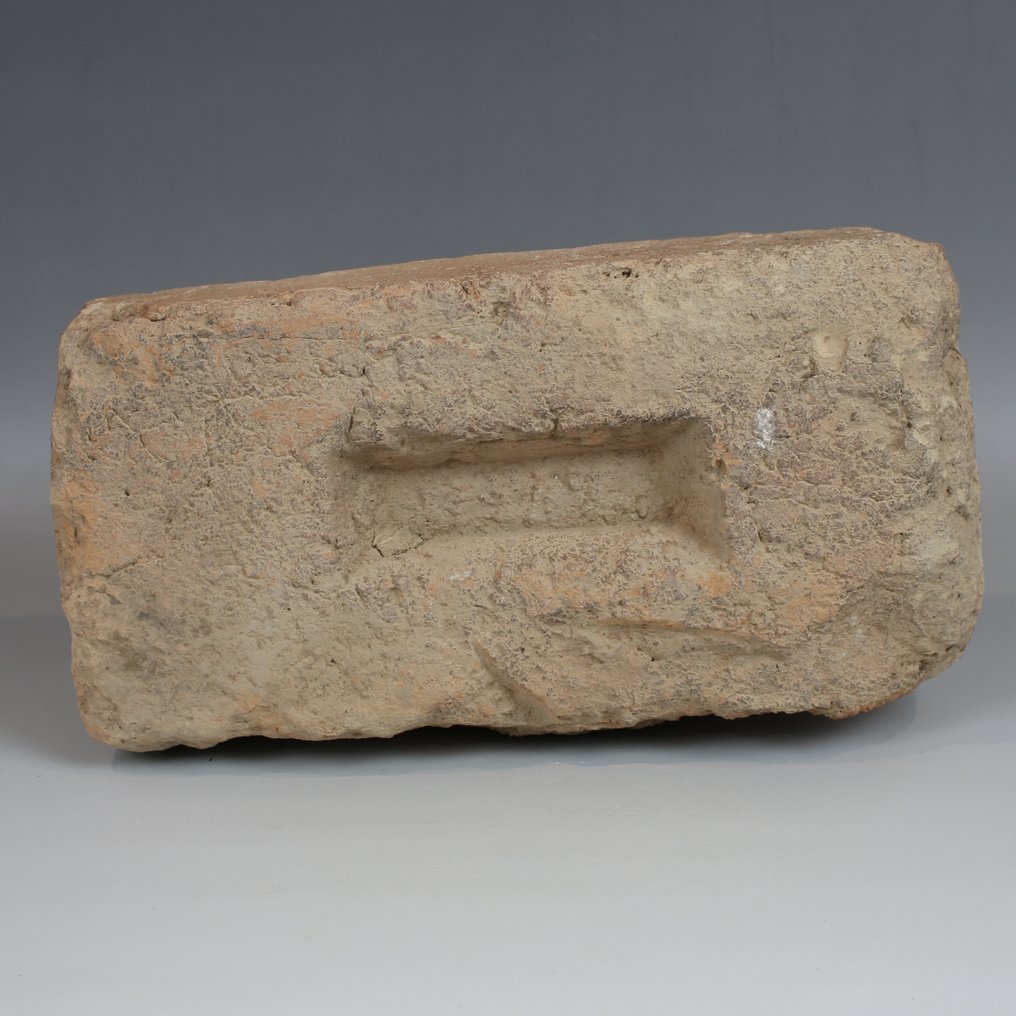
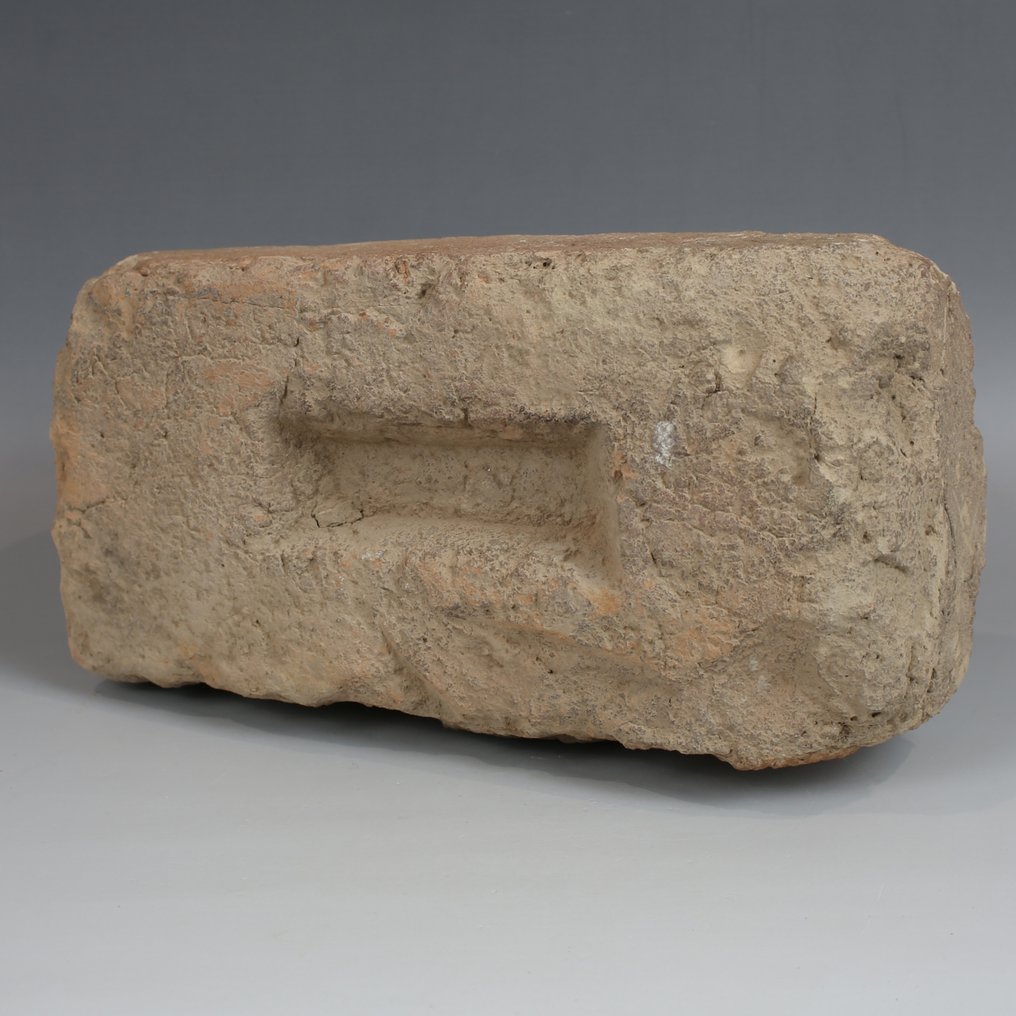
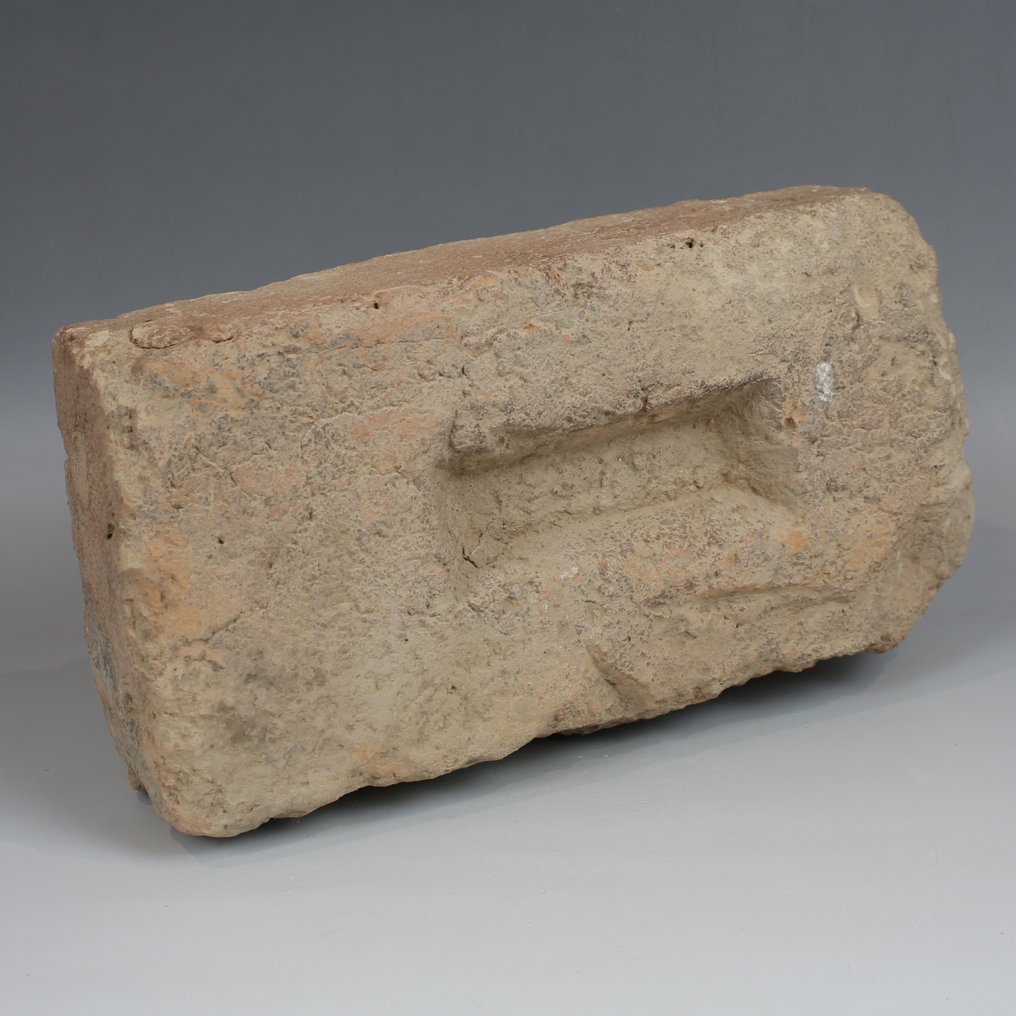
Θραύσμα θεμελίου από μεσοποταμιακή κουλτούρα, χρονολογείται στον 3ο–2ο αιώνα π.Χ., κεραμικό υλικό; διαστάσεις 120 mm × 225 mm × 72 mm; σε καλή κατάσταση; αποκτήθηκε το 2025 από ιδιωτική γερμανική συλλογή και συνοδεύεται από πιστοποιητικό γνησιότητας και άδεια εξαγωγής της ΕΕ.
Περίληψη με τη βοήθεια τεχνητής νοημοσύνης
Περιγραφή από τον πωλητή
ITEM: Foundation brick
MATERIAL: Pottery
CULTURE: Mesopotamian
PERIOD: 3rd - 2nd millenium B.C
DIMENSIONS: 120 mm x 225 mm x 72 mm
CONDITION: Good condition. Includes scanned document from Artonline (see last picture)
PROVENANCE: Ex German private collection, F.B., acquired in Artonline, France, 2022. Ex German private collection, Lux, 2019.
Comes with Certificate of Authenticity and European Union export license
If you bid outside European Union and win the item, we must request a new export license to your country and the shipment will delay between 3 - 5 weeks.
The Mesopotamian foundation brick, often found in temples and palaces, served as a crucial votive and documentary object in ancient Near Eastern construction practices. Rather than just being a structural component, these special bricks or foundation deposits were ritually placed beneath the structure's foundations—particularly at corners, doorways, or perimeters. This practice was deeply intertwined with the ideology of kingship and the divine world. By embedding inscribed bricks or figures (sometimes in clay boxes) into the earth, the king sought to secure the favor and protection of the gods for the new building and to symbolically anchor the structure to the sacred ground
What distinguishes a Mesopotamian foundation brick is the presence of an inscription, typically written in Sumerian or Akkadian cuneiform. These texts invariably record the name and titles of the ruling monarch, the name of the deity the temple was dedicated to, and details about the building project, such as the construction or restoration of the temple. For example, bricks from the Ur III period often bear the name of King Ur-Nammu, celebrating his building works and his title "King of Sumer and Akkad." These inscriptions functioned as a perpetual record of the king's piety and power, ensuring his name would be remembered by the gods and by future rulers who might uncover the deposit during subsequent building phases.
Foundation bricks were a small, but ritually significant, part of the wider Mesopotamian architectural tradition which relied heavily on brick construction, as stone was scarce in the region. Most buildings used sun-dried mud bricks, which led to a cycle of decay, leveling, and rebuilding on the same site over centuries, resulting in raised mounds known as tells. Foundation deposits—which included both inscribed bricks and figures (like foundation pegs depicting the king carrying a basket of earth)—were integral to this cycle. They connected the ruler, the structure, and the divine mandate, proclaiming that the king was obedient to the gods' architectural wishes, thus guaranteeing the community's prosperity and the building's spiritual integrity.
Ιστορία πωλητή
Το Antiquarian σας προσφέρει αρχαία τέχνη και αρχαία νομίσματα. Κύριος στόχος μας είναι να προσφέρουμε την υψηλότερη ποιότητα στην καλύτερη τιμή, σεβόμενοι και αυστηρά τη νομοθεσία περί προστασίας της πολιτιστικής κληρονομιάς και τους κανόνες πολιτιστικής κληρονομιάς της UNESCO. Επομένως, όλα τα κομμάτια που δημοσιεύονται προέρχονται από ιδιωτικές συλλογές στις οποίες μπορεί να ελεγχθεί η προέλευση ή από διεθνείς δημοπρασίες. Όλες οι αρχαιότητες και τα νομίσματά μας συνοδεύονται από το Πιστοποιητικό γνησιότητάς τους. Έχουμε πολιτική επιστροφής 90 ημερών χωρίς αμφισβήτηση. Στο Your Antiquarian δεσμευόμαστε να βοηθάμε τις μειονεκτούσες ομάδες και για το λόγο αυτό ένα μέρος κάθε αγοράς δωρίζεται σε φιλανθρωπικά ιδρύματα για να βοηθήσουμε άτομα που έχουν ανάγκη.
Μετάφραση από Google ΜετάφρασηITEM: Foundation brick
MATERIAL: Pottery
CULTURE: Mesopotamian
PERIOD: 3rd - 2nd millenium B.C
DIMENSIONS: 120 mm x 225 mm x 72 mm
CONDITION: Good condition. Includes scanned document from Artonline (see last picture)
PROVENANCE: Ex German private collection, F.B., acquired in Artonline, France, 2022. Ex German private collection, Lux, 2019.
Comes with Certificate of Authenticity and European Union export license
If you bid outside European Union and win the item, we must request a new export license to your country and the shipment will delay between 3 - 5 weeks.
The Mesopotamian foundation brick, often found in temples and palaces, served as a crucial votive and documentary object in ancient Near Eastern construction practices. Rather than just being a structural component, these special bricks or foundation deposits were ritually placed beneath the structure's foundations—particularly at corners, doorways, or perimeters. This practice was deeply intertwined with the ideology of kingship and the divine world. By embedding inscribed bricks or figures (sometimes in clay boxes) into the earth, the king sought to secure the favor and protection of the gods for the new building and to symbolically anchor the structure to the sacred ground
What distinguishes a Mesopotamian foundation brick is the presence of an inscription, typically written in Sumerian or Akkadian cuneiform. These texts invariably record the name and titles of the ruling monarch, the name of the deity the temple was dedicated to, and details about the building project, such as the construction or restoration of the temple. For example, bricks from the Ur III period often bear the name of King Ur-Nammu, celebrating his building works and his title "King of Sumer and Akkad." These inscriptions functioned as a perpetual record of the king's piety and power, ensuring his name would be remembered by the gods and by future rulers who might uncover the deposit during subsequent building phases.
Foundation bricks were a small, but ritually significant, part of the wider Mesopotamian architectural tradition which relied heavily on brick construction, as stone was scarce in the region. Most buildings used sun-dried mud bricks, which led to a cycle of decay, leveling, and rebuilding on the same site over centuries, resulting in raised mounds known as tells. Foundation deposits—which included both inscribed bricks and figures (like foundation pegs depicting the king carrying a basket of earth)—were integral to this cycle. They connected the ruler, the structure, and the divine mandate, proclaiming that the king was obedient to the gods' architectural wishes, thus guaranteeing the community's prosperity and the building's spiritual integrity.
Ιστορία πωλητή
Το Antiquarian σας προσφέρει αρχαία τέχνη και αρχαία νομίσματα. Κύριος στόχος μας είναι να προσφέρουμε την υψηλότερη ποιότητα στην καλύτερη τιμή, σεβόμενοι και αυστηρά τη νομοθεσία περί προστασίας της πολιτιστικής κληρονομιάς και τους κανόνες πολιτιστικής κληρονομιάς της UNESCO. Επομένως, όλα τα κομμάτια που δημοσιεύονται προέρχονται από ιδιωτικές συλλογές στις οποίες μπορεί να ελεγχθεί η προέλευση ή από διεθνείς δημοπρασίες. Όλες οι αρχαιότητες και τα νομίσματά μας συνοδεύονται από το Πιστοποιητικό γνησιότητάς τους. Έχουμε πολιτική επιστροφής 90 ημερών χωρίς αμφισβήτηση. Στο Your Antiquarian δεσμευόμαστε να βοηθάμε τις μειονεκτούσες ομάδες και για το λόγο αυτό ένα μέρος κάθε αγοράς δωρίζεται σε φιλανθρωπικά ιδρύματα για να βοηθήσουμε άτομα που έχουν ανάγκη.
Μετάφραση από Google ΜετάφρασηΛεπτομέρειες
Πολιτισμός
Μεσοποταμιακή
Αιώνες/χρονική περίοδος
3rd - 2nd millenium B.C
Name of object
Foundation brick
Αποκτήθηκε από
Ιδιωτική συλλογή
Έτος απόκτησης
2025
Υλικό
Αγγειοπλαστική
Χώρα απόκτησης
Γερμανία
Κατάσταση
Καλή
Προηγούμενος κάτοχος - αποκτήθηκε από
Γκαλερί / Έμπορος αντικών
Προηγούμενος κάτοχος – έτος απόκτησης
2022
Προηγούμενος κάτοχος – χώρα απόκτησης
Γαλλία
Βεβαιώνω ότι έχω αποκτήσει νόμιμα αυτό το αντικείμενο και ότι μου επιτρέπεται να το πουλήσω.
Ναι
Πωλήθηκε από τον/-ην
Αποποίηση ευθυνών
Ο πωλητής ενημερώθηκε από την Catawiki σχετικά με τις απαιτήσεις εγγράφων και εγγυάται τα εξής: - το αντικείμενο αποκτήθηκε νόμιμα - ο πωλητής έχει το δικαίωμα να πωλήσει ή/και να εξαγάγει το αντικείμενο, ανάλογα με την περίπτωση - ο πωλητής θα παράσχει τις απαραίτητες πληροφορίες προέλευσης και θα διευθετήσει τα απαιτούμενα έγγραφα και άδειες, κατά περίπτωση και σύμφωνα με τους τοπικούς νόμους - ο πωλητής θα ειδοποιήσει τον αγοραστή για τυχόν καθυστερήσεις στην έκδοση των αδειών. Υποβάλλοντας προσφορά, αναγνωρίζετε ότι ενδέχεται να απαιτούνται έγγραφα εισαγωγής ανάλογα με τη χώρα διαμονής σας και ότι η έκδοση των αδειών μπορεί να προκαλέσει καθυστερήσεις στην παράδοση του αντικειμένου σας.
Ο πωλητής ενημερώθηκε από την Catawiki σχετικά με τις απαιτήσεις εγγράφων και εγγυάται τα εξής: - το αντικείμενο αποκτήθηκε νόμιμα - ο πωλητής έχει το δικαίωμα να πωλήσει ή/και να εξαγάγει το αντικείμενο, ανάλογα με την περίπτωση - ο πωλητής θα παράσχει τις απαραίτητες πληροφορίες προέλευσης και θα διευθετήσει τα απαιτούμενα έγγραφα και άδειες, κατά περίπτωση και σύμφωνα με τους τοπικούς νόμους - ο πωλητής θα ειδοποιήσει τον αγοραστή για τυχόν καθυστερήσεις στην έκδοση των αδειών. Υποβάλλοντας προσφορά, αναγνωρίζετε ότι ενδέχεται να απαιτούνται έγγραφα εισαγωγής ανάλογα με τη χώρα διαμονής σας και ότι η έκδοση των αδειών μπορεί να προκαλέσει καθυστερήσεις στην παράδοση του αντικειμένου σας.
