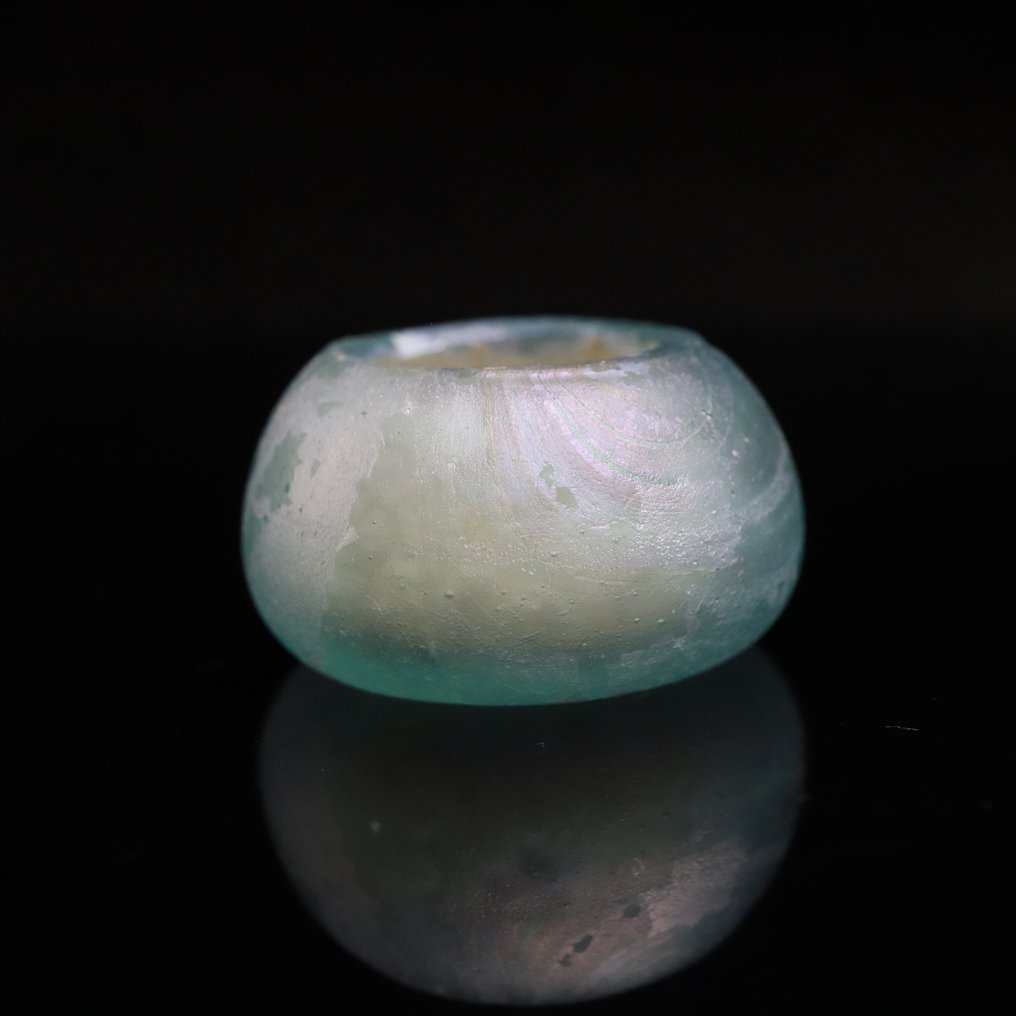
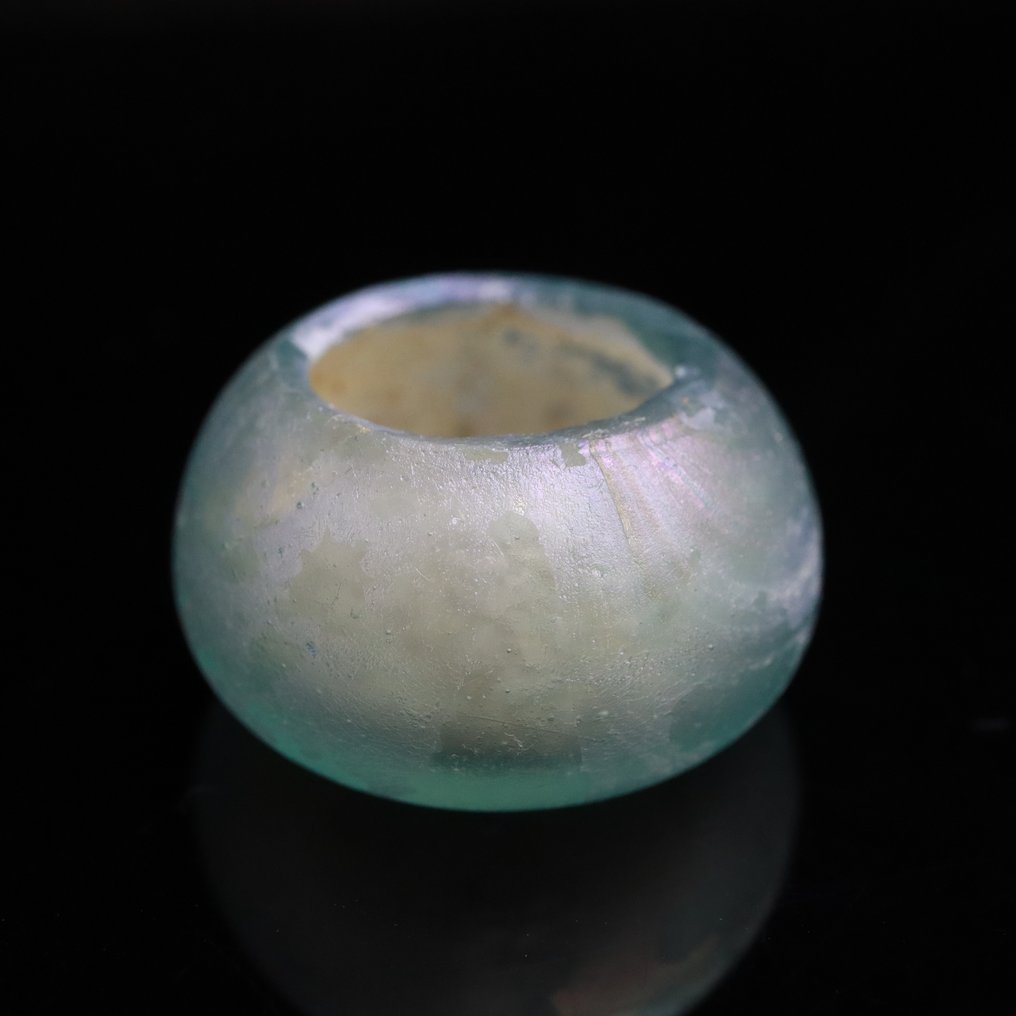
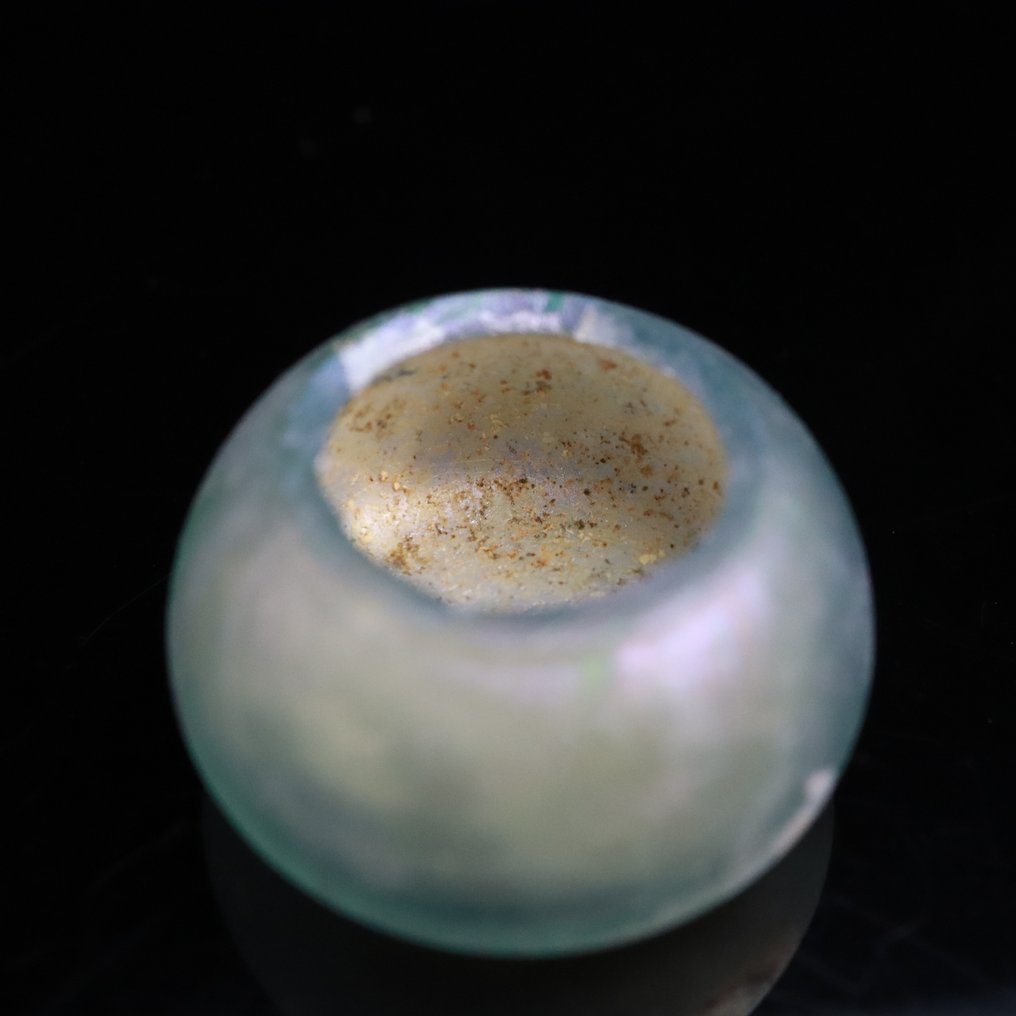
Αρχαία Ρωμαϊκή Ιριδίζον Γυαλί Δακρυοθήκη (δοχείο δακρύων) - 14.5 mm (χωρίς τιμή ασφαλείας)


02
ημέρες
13
ώρες
06
λεπτά
17
δευτερόλεπτα
Τρέχουσα προσφορά
€ 7
χωρίς τιμή ασφαλείας

Ειδικός
Επιλεγμένο από Peter Reynaers
Διαθέτει σχεδόν 30 χρόνια εμπειρίας και έχει δειξει ρόλο συντονιστή σε αρκετές διαδικτυακές ομάδες έρευνας τέχνης.
Εκτιμήστε € 230 - € 280
24 άλλα άτομα παρακολουθούν αυτό το αντικείμενο
 Πλειοδότης 0459 Πλειοδότης 0459 | 7 € | |
|---|---|---|
| Πλειοδότης 4071 | 6 € | |
 Πλειοδότης 4652 Πλειοδότης 4652 | 4 € | |
Προστασία Αγοραστή Catawiki
Η πληρωμή σας είναι ασφαλής μαζί μας μέχρι να παραλάβετε το αντικείμενό σας.Προβολή λεπτομερειών
Trustpilot 4.4 | 121798 κριτικών
Βαθμολογήθηκε με Άριστα στο Trustpilot.
Ρωμαϊκό λαχρυμάριο από ιριδίζον γυαλί, αιώνας I–IV μ.Χ., σε εξαιρετική κατάσταση με εντυπωσιακή πατίνα.
Περίληψη με τη βοήθεια τεχνητής νοημοσύνης
Περιγραφή από τον πωλητή
Ancient Roman Iridescent Glass Lachrymatory (Tear Vial), 1st–4th Century AD - Top Condition
Note: Sorry, no shipping outside Europe.
This exquisite ancient Roman glass lachrymatory, often romantically known as a "tear vial," dates to the 1st–4th century AD and features a compact, bulbous form with a wide mouth opening for easy access. Crafted from translucent blue-green glass, it exhibits a striking iridescent sheen—professionally termed "iridescence" or "weathering patina"—that produces rainbow-like colors under light, resulting from the natural delamination and oxidation of the glass surface over centuries of burial.
Symbolism & Historical Significance:
Lachrymatory Vial: These small vessels were primarily used in Roman daily life to hold perfumes, oils, unguents, or medicinal essences, rather than tears as later Victorian myths suggested. The iridescence, caused by the breakdown of silica layers in the glass due to environmental exposure (such as moisture and soil chemicals), creates a prismatic effect that enhances the object's ethereal beauty.
In Roman culture, such vials symbolized personal care, beauty rituals, and sometimes mourning or funerary practices, where they were placed in tombs as grave goods to accompany the deceased into the afterlife.
The shimmering surface, while a product of aging, mirrors the advanced Roman glassmaking techniques, including blowing and molding, which allowed for mass production of delicate items across the empire.
Connection to Ancient Rome:
Produced during the height of the Roman Empire, these lachrymatories were common in households, baths, and burial contexts from Britain to the Near East. The iridescent effect, unique to ancient glass, was not intentional but became a hallmark of authenticity, with similar examples excavated from sites like Pompeii and Roman cemeteries in the Levant, reflecting the widespread trade and innovation in glass technology influenced by earlier Hellenistic traditions.
Condition:
Intact with a beautiful iridescent patina covering the surface, and no cracks or repairs; the glass retains its structural integrity, making it a well-preserved example of Roman artistry.
Dimensions:
Outer Diameter: 26.5 mm
Height: 14.5 mm
Weight: 7.58 g
Provenance:
Previously part of a private European collection, established in the 1980s. A provenance document and declaration of legal origin are available in PDF format upon request.
Note: Please examine the provided images for a detailed impression of the vial. The photos are highly magnified to showcase the iridescent details the best way possible; otherwise, the piece is even more beautiful and attractive in person.
In top condition making it relevant for both collectors and special Christmas gift seekers
Ιστορία πωλητή
Ως λάτρης της ιστορίας δεύτερης γενιάς και συλλέκτης παλαιών έργων τέχνης, έχω ένα βαθύ πάθος για τα ιστορικά αντικείμενα — από τους προϊστορικούς πολιτισμούς έως τη μεσαιωνική εποχή. Μου αρέσει να συνδέομαι με άλλους λάτρεις της ιστορίας και να μοιράζομαι μοναδικά, προσεκτικά επιλεγμένα κομμάτια. Στόχος μου είναι να βρω νέα σπίτια για αξιόλογα αντικείμενα ενώ συνεχίζω να επεκτείνω τη δική μου συλλογή. Μη διστάσετε να εξερευνήσετε την επιλογή μου—ελπίζω να βρείτε κάτι ιδιαίτερο!
Μετάφραση από Google ΜετάφρασηAncient Roman Iridescent Glass Lachrymatory (Tear Vial), 1st–4th Century AD - Top Condition
Note: Sorry, no shipping outside Europe.
This exquisite ancient Roman glass lachrymatory, often romantically known as a "tear vial," dates to the 1st–4th century AD and features a compact, bulbous form with a wide mouth opening for easy access. Crafted from translucent blue-green glass, it exhibits a striking iridescent sheen—professionally termed "iridescence" or "weathering patina"—that produces rainbow-like colors under light, resulting from the natural delamination and oxidation of the glass surface over centuries of burial.
Symbolism & Historical Significance:
Lachrymatory Vial: These small vessels were primarily used in Roman daily life to hold perfumes, oils, unguents, or medicinal essences, rather than tears as later Victorian myths suggested. The iridescence, caused by the breakdown of silica layers in the glass due to environmental exposure (such as moisture and soil chemicals), creates a prismatic effect that enhances the object's ethereal beauty.
In Roman culture, such vials symbolized personal care, beauty rituals, and sometimes mourning or funerary practices, where they were placed in tombs as grave goods to accompany the deceased into the afterlife.
The shimmering surface, while a product of aging, mirrors the advanced Roman glassmaking techniques, including blowing and molding, which allowed for mass production of delicate items across the empire.
Connection to Ancient Rome:
Produced during the height of the Roman Empire, these lachrymatories were common in households, baths, and burial contexts from Britain to the Near East. The iridescent effect, unique to ancient glass, was not intentional but became a hallmark of authenticity, with similar examples excavated from sites like Pompeii and Roman cemeteries in the Levant, reflecting the widespread trade and innovation in glass technology influenced by earlier Hellenistic traditions.
Condition:
Intact with a beautiful iridescent patina covering the surface, and no cracks or repairs; the glass retains its structural integrity, making it a well-preserved example of Roman artistry.
Dimensions:
Outer Diameter: 26.5 mm
Height: 14.5 mm
Weight: 7.58 g
Provenance:
Previously part of a private European collection, established in the 1980s. A provenance document and declaration of legal origin are available in PDF format upon request.
Note: Please examine the provided images for a detailed impression of the vial. The photos are highly magnified to showcase the iridescent details the best way possible; otherwise, the piece is even more beautiful and attractive in person.
In top condition making it relevant for both collectors and special Christmas gift seekers
Ιστορία πωλητή
Ως λάτρης της ιστορίας δεύτερης γενιάς και συλλέκτης παλαιών έργων τέχνης, έχω ένα βαθύ πάθος για τα ιστορικά αντικείμενα — από τους προϊστορικούς πολιτισμούς έως τη μεσαιωνική εποχή. Μου αρέσει να συνδέομαι με άλλους λάτρεις της ιστορίας και να μοιράζομαι μοναδικά, προσεκτικά επιλεγμένα κομμάτια. Στόχος μου είναι να βρω νέα σπίτια για αξιόλογα αντικείμενα ενώ συνεχίζω να επεκτείνω τη δική μου συλλογή. Μη διστάσετε να εξερευνήσετε την επιλογή μου—ελπίζω να βρείτε κάτι ιδιαίτερο!
Μετάφραση από Google ΜετάφρασηΛεπτομέρειες
Πολιτισμός
Αρχαία Ρωμαϊκή
Αιώνες/χρονική περίοδος
1st–4th Century AD
Name of object
Lachrymatory (Tear Vial)
Αποκτήθηκε από
Ιδιωτική συλλογή
Έτος απόκτησης
2024
Υλικό
Iridescent Glass
Χώρα απόκτησης
Δανία
Κατάσταση
Εξαιρετική
Προηγούμενος κάτοχος - αποκτήθηκε από
Κληρονομιά
Height
14.5 mm
Προηγούμενος κάτοχος – έτος απόκτησης
1980
Width
26.5 mm
Προηγούμενος κάτοχος – χώρα απόκτησης
Ευρώπη
Βεβαιώνω ότι έχω αποκτήσει νόμιμα αυτό το αντικείμενο και ότι μου επιτρέπεται να το πουλήσω.
Ναι
Πωλήθηκε από τον/-ην
Αποποίηση ευθυνών
Ο πωλητής ενημερώθηκε από την Catawiki σχετικά με τις απαιτήσεις εγγράφων και εγγυάται τα εξής: - το αντικείμενο αποκτήθηκε νόμιμα - ο πωλητής έχει το δικαίωμα να πωλήσει ή/και να εξαγάγει το αντικείμενο, ανάλογα με την περίπτωση - ο πωλητής θα παράσχει τις απαραίτητες πληροφορίες προέλευσης και θα διευθετήσει τα απαιτούμενα έγγραφα και άδειες, κατά περίπτωση και σύμφωνα με τους τοπικούς νόμους - ο πωλητής θα ειδοποιήσει τον αγοραστή για τυχόν καθυστερήσεις στην έκδοση των αδειών. Υποβάλλοντας προσφορά, αναγνωρίζετε ότι ενδέχεται να απαιτούνται έγγραφα εισαγωγής ανάλογα με τη χώρα διαμονής σας και ότι η έκδοση των αδειών μπορεί να προκαλέσει καθυστερήσεις στην παράδοση του αντικειμένου σας.
Ο πωλητής ενημερώθηκε από την Catawiki σχετικά με τις απαιτήσεις εγγράφων και εγγυάται τα εξής: - το αντικείμενο αποκτήθηκε νόμιμα - ο πωλητής έχει το δικαίωμα να πωλήσει ή/και να εξαγάγει το αντικείμενο, ανάλογα με την περίπτωση - ο πωλητής θα παράσχει τις απαραίτητες πληροφορίες προέλευσης και θα διευθετήσει τα απαιτούμενα έγγραφα και άδειες, κατά περίπτωση και σύμφωνα με τους τοπικούς νόμους - ο πωλητής θα ειδοποιήσει τον αγοραστή για τυχόν καθυστερήσεις στην έκδοση των αδειών. Υποβάλλοντας προσφορά, αναγνωρίζετε ότι ενδέχεται να απαιτούνται έγγραφα εισαγωγής ανάλογα με τη χώρα διαμονής σας και ότι η έκδοση των αδειών μπορεί να προκαλέσει καθυστερήσεις στην παράδοση του αντικειμένου σας.
