No. 105988995

Sold
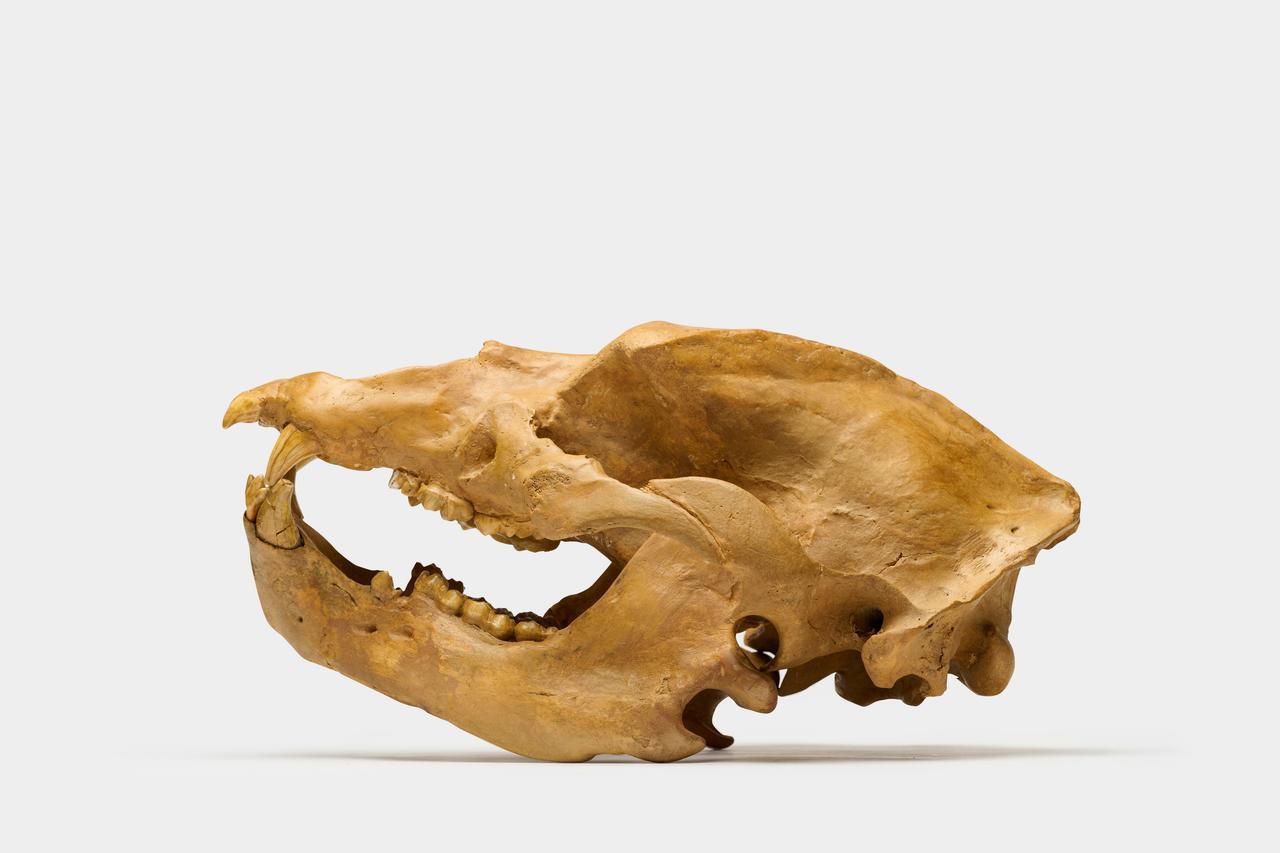
ティラノサウルス類の歯 - Nanotyrannus sp - 後期白亜紀 - Lance Creek Formation - 化石歯
Final bid
€ 401
12 weeks ago

ティラノサウルス類の歯 - Nanotyrannus sp - 後期白亜紀 - Lance Creek Formation - 化石歯

Scientific name: Tyrannosaur Dinosaur - Nanotyrannus sp - Theropod Dinosaur Tooth Location: Weston Co., Wyoming (Private Land), USA Geological Formation: Lance Creek Fm Age: Late Cretaceous, Maastrichtian stage (~68-66 Million Years) Size: 3,6cm REF.: #J566 DESCRIPTION: Nanotyrannus lancensis is a small, fast, agile tyrannosaur from the Late Cretaceous Hell Creek Formation (originally part of the Lance Formation), known for being small and distinctly different from T. rex, with recent studies confirming it's a separate species, not a juvenile T. rex, based on unique features like more teeth, larger hands, and distinct bone structures. Meaning "dwarf tyrant," it was a capable predator of smaller prey, coexisting with T. rex. Key Facts Name Meaning: "Dwarf tyrant" from Greek nanos (dwarf) and tyrannos (tyrant). Species Name: lancensis refers to the Lance Formation where its skull was found. Size: Around 15-18 feet long, much smaller and lighter than an adult T. rex. Habitat: Hell Creek and Lance Creek Formation (Late Cretaceous), same time and place as T. rex. Lifestyle: Fast, agile pursuit predator, likely hunting smaller dinosaurs like pachycephalosaurs. Controversy: Long debated as either a distinct species or juvenile T. rex, but recent evidence strongly supports it as its own genus. Distinguishing Features: Narrower skull, more teeth, larger hands, and different bone structures than T. rex. The Debate; Juvenile T. rex Theory: Many scientists thought smaller tyrannosaur fossils from Hell Creek and Lance Creek were young T. rex because no large Nanotyrannus fossils existed, and T. rex juveniles were rare. Separate Species Theory: Researchers found that Nanotyrannus fossils showed adult-like traits (fused bones) and unique features that T. rex never developed, making it biologically impossible to grow into a T. rex. Current Consensus: Nanotyrannus is a separate, distinct genus of small tyrannosaur, coexisting with T. rex as a unique, agile predator. Observations: Nicely preserved specimen, with pristine carina (serrations) and outstanding enamel. It only has one glued but not restored fracture. Exquisite specimen. Its surface has been stabilized with Paraloid B-72 to ensure its stability and long-term preservation in a professional manner. All of our fossils come with a Certificate of Authenticity. Every week, the issued Certificates of Authenticity are updated in our database verification system on our website. If you find that your certificate has not yet been updated, please contact us and we will update it immediately. Display box included.

No. 105988995

Sold
ティラノサウルス類の歯 - Nanotyrannus sp - 後期白亜紀 - Lance Creek Formation - 化石歯

ティラノサウルス類の歯 - Nanotyrannus sp - 後期白亜紀 - Lance Creek Formation - 化石歯

Scientific name: Tyrannosaur Dinosaur - Nanotyrannus sp - Theropod Dinosaur Tooth

Location: Weston Co., Wyoming (Private Land), USA

Geological Formation: Lance Creek Fm

Age: Late Cretaceous, Maastrichtian stage (~68-66 Million Years)

Size: 3,6cm

REF.: #J566

DESCRIPTION:

Nanotyrannus lancensis is a small, fast, agile tyrannosaur from the Late Cretaceous Hell Creek Formation (originally part of the Lance Formation), known for being small and distinctly different from T. rex, with recent studies confirming it's a separate species, not a juvenile T. rex, based on unique features like more teeth, larger hands, and distinct bone structures. Meaning "dwarf tyrant," it was a capable predator of smaller prey, coexisting with T. rex.

Key Facts

Name Meaning: "Dwarf tyrant" from Greek nanos (dwarf) and tyrannos (tyrant).

Species Name: lancensis refers to the Lance Formation where its skull was found.
Size: Around 15-18 feet long, much smaller and lighter than an adult T. rex.

Habitat: Hell Creek and Lance Creek Formation (Late Cretaceous), same time and place as T. rex.
Lifestyle: Fast, agile pursuit predator, likely hunting smaller dinosaurs like pachycephalosaurs.

Controversy: Long debated as either a distinct species or juvenile T. rex, but recent evidence strongly supports it as its own genus.

Distinguishing Features: Narrower skull, more teeth, larger hands, and different bone structures than T. rex.

The Debate;
Juvenile T. rex Theory: Many scientists thought smaller tyrannosaur fossils from Hell Creek and Lance Creek were young T. rex because no large Nanotyrannus fossils existed, and T. rex juveniles were rare.
Separate Species Theory: Researchers found that Nanotyrannus fossils showed adult-like traits (fused bones) and unique features that T. rex never developed, making it biologically impossible to grow into a T. rex.

Current Consensus: Nanotyrannus is a separate, distinct genus of small tyrannosaur, coexisting with T. rex as a unique, agile predator.

Observations: Nicely preserved specimen, with pristine carina (serrations) and outstanding enamel. It only has one glued but not restored fracture. Exquisite specimen. Its surface has been stabilized with Paraloid B-72 to ensure its stability and long-term preservation in a professional manner.

All of our fossils come with a Certificate of Authenticity. Every week, the issued Certificates of Authenticity are updated in our database verification system on our website. If you find that your certificate has not yet been updated, please contact us and we will update it immediately. Display box included.

Final bid
€ 401
Manuel Quiring
Expert
Estimate € 2,900 - € 3,600

Similar objects

  • ​
    ​
    ​
  • ​
    ​
    ​
  • ​
    ​
    ​
  • ​
    ​
    ​
  • ​
    ​
    ​
  • ​
    ​
    ​
  • ​
    ​
    ​
  • ​
    ​
    ​
  • ​
    ​
    ​
  • ​
    ​
    ​

For you in

化石

  • ​
    ​
    ​
  • ​
    ​
    ​
  • ​
    ​
    ​
  • ​
    ​
    ​
  • ​
    ​
    ​
  • ​
    ​
    ​
  • ​
    ​
    ​
  • ​
    ​
    ​
  • ​
    ​
    ​
  • ​
    ​
    ​
Set a search alert
Set a search alert to get notified when new matches are available.

This object was featured in


How to buy on Catawiki

Learn more about our Buyer Protection

      1. Discover something special

      Browse through thousands of special objects selected by experts. View the photos, details and estimated value of each special object. 

      2. Place the top bid

      Find something you love and place the top bid. You can follow the auction to the end or let our system do the bidding for you. All you have to do is set a bid for the maximum amount you want to pay. 

      3. Make a secure payment

      Pay for your special object and we’ll keep your payment secure until it arrives safe and sound. We use a trusted payment system to handle all transactions. 

Have something similar to sell?

Whether you're new to online auctions or sell professionally, we can help you earn more for your special objects.

Sell your object