No. 107043438

No longer available
卓越した巨大なバシロサウリド類 cf. Pappocetus(クジラの祖先)根付き犬歯 - 化石歯
Bidding closed
10 h ago

卓越した巨大なバシロサウリド類 cf. Pappocetus(クジラの祖先)根付き犬歯 - 化石歯

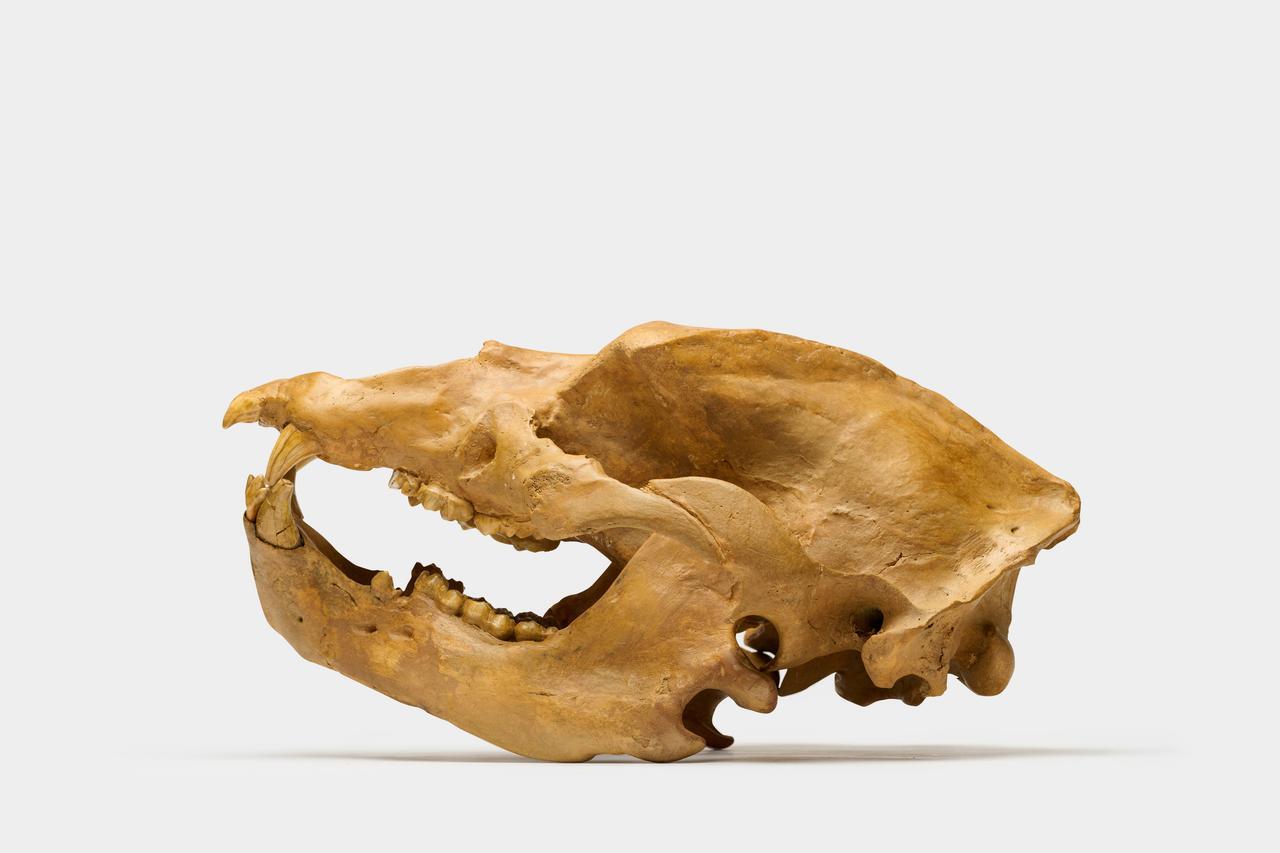
Scientific name: Unidentified Basilosaurid - (primitive whale ancestor) - Potencial cf Pappocetus lugardi - rooted Canine Tooth Location: Dakhla, Western Sahara, South Morocco Geological Formation: Samlat - Aridal Formation Age: Late Eocene (~40 Million Years) Size: 9,3 cm REF.: #J692 DESCRIPTION: Nicely preserved canine tooth from cf Pappocetus lugardi, a type of protocetid cetacean (early whale ancestor). These outstanding teeth come from the Middle Eocene-age Aridal and Samlat Formations, located in the Western Sahara near Gueran, Morocco. They're commonly found associated with teeth of the shark Otodus sokolovi (Carcharocles auriculatus), a megalodon ancestor. There are few restorations through the root, mainly the basal part of the root has been restored. However, the rest of the root and almost all the tooth crown its fully natural. The specimen has been stabilized with Paraloid B72 to ensure its long term proper preservation. Its the canine tooth of dentary. Pappocetus lugardi is an extinct species of protocetid whale that lived during the Eocene epoch (approximately 40–44 million years ago) in Africa. As a transitional form between land and sea, this amphibious, 20–25 foot long carnivore is considered an ancestor of Basilosaurus and represents a crucial stage in whale evolution. Key Facts About Pappocetus lugardi: Discovery: First described by C.W. Andrews in 1920 based on fossils from the Ameki Formation in Nigeria. Additional specimens have been found in the Sahara Desert in Morocco. Evolutionary Position: Pappocetus belongs to the family Protocetidae, which are early, amphibious whales that could likely move on land using their large limbs, while also being capable swimmers. Physical Characteristics: Size: Estimated to be around 20-25 feet in length. Diet/Habits: A large, amphibious, aquatic carnivore with robust teeth, likely relying on vision and smell for hunting. Appearance: More whale-like than its predecessors, with a streamlined body, yet retaining functional, though reduced, hind limbs. Fossil Record: Known from jaw fragments, teeth, and skull material. Relation to Modern Whales: While it was a transitional form, it is unlikely to have possessed the modern echolocation abilities found in later cetaceans. All of our fossils come with a Certificate of Authenticity. Every week, the issued Certificates of Authenticity are updated in our database verification system on our website. If you find that your certificate has not yet been updated, please contact us and we will update it immediately. Display box NOT included.

No. 107043438

No longer available
卓越した巨大なバシロサウリド類 cf. Pappocetus(クジラの祖先)根付き犬歯 - 化石歯

卓越した巨大なバシロサウリド類 cf. Pappocetus(クジラの祖先)根付き犬歯 - 化石歯

Scientific name: Unidentified Basilosaurid - (primitive whale ancestor) - Potencial cf Pappocetus lugardi - rooted Canine Tooth

Location: Dakhla, Western Sahara, South Morocco

Geological Formation: Samlat - Aridal Formation

Age: Late Eocene (~40 Million Years)

Size: 9,3 cm

REF.: #J692

DESCRIPTION:

Nicely preserved canine tooth from cf Pappocetus lugardi, a type of protocetid cetacean (early whale ancestor). These outstanding teeth come from the Middle Eocene-age Aridal and Samlat Formations, located in the Western Sahara near Gueran, Morocco. They're commonly found associated with teeth of the shark Otodus sokolovi (Carcharocles auriculatus), a megalodon ancestor.

There are few restorations through the root, mainly the basal part of the root has been restored. However, the rest of the root and almost all the tooth crown its fully natural. The specimen has been stabilized with Paraloid B72 to ensure its long term proper preservation. Its the canine tooth of dentary.

Pappocetus lugardi is an extinct species of protocetid whale that lived during the Eocene epoch (approximately 40–44 million years ago) in Africa. As a transitional form between land and sea, this amphibious, 20–25 foot long carnivore is considered an ancestor of Basilosaurus and represents a crucial stage in whale evolution.

Key Facts About Pappocetus lugardi:

Discovery: First described by C.W. Andrews in 1920 based on fossils from the Ameki Formation in Nigeria. Additional specimens have been found in the Sahara Desert in Morocco.

Evolutionary Position: Pappocetus belongs to the family Protocetidae, which are early, amphibious whales that could likely move on land using their large limbs, while also being capable swimmers.

Physical Characteristics:
Size: Estimated to be around 20-25 feet in length.
Diet/Habits: A large, amphibious, aquatic carnivore with robust teeth, likely relying on vision and smell for hunting.

Appearance: More whale-like than its predecessors, with a streamlined body, yet retaining functional, though reduced, hind limbs.

Fossil Record: Known from jaw fragments, teeth, and skull material.

Relation to Modern Whales: While it was a transitional form, it is unlikely to have possessed the modern echolocation abilities found in later cetaceans.

All of our fossils come with a Certificate of Authenticity. Every week, the issued Certificates of Authenticity are updated in our database verification system on our website. If you find that your certificate has not yet been updated, please contact us and we will update it immediately. Display box NOT included.

Bidding closed
Sullivan Halipré
Expert
Estimate € 200 - € 250

Similar objects

  • ​
    ​
    ​
  • ​
    ​
    ​
  • ​
    ​
    ​
  • ​
    ​
    ​
  • ​
    ​
    ​
  • ​
    ​
    ​
  • ​
    ​
    ​
  • ​
    ​
    ​
  • ​
    ​
    ​
  • ​
    ​
    ​

For you in

化石

  • ​
    ​
    ​
  • ​
    ​
    ​
  • ​
    ​
    ​
  • ​
    ​
    ​
  • ​
    ​
    ​
  • ​
    ​
    ​
  • ​
    ​
    ​
  • ​
    ​
    ​
  • ​
    ​
    ​
  • ​
    ​
    ​
Set a search alert
Set a search alert to get notified when new matches are available.

This object was featured in


How to buy on Catawiki

Learn more about our Buyer Protection

      1. Discover something special

      Browse through thousands of special objects selected by experts. View the photos, details and estimated value of each special object. 

      2. Place the top bid

      Find something you love and place the top bid. You can follow the auction to the end or let our system do the bidding for you. All you have to do is set a bid for the maximum amount you want to pay. 

      3. Make a secure payment

      Pay for your special object and we’ll keep your payment secure until it arrives safe and sound. We use a trusted payment system to handle all transactions. 

Have something similar to sell?

Whether you're new to online auctions or sell professionally, we can help you earn more for your special objects.

Sell your object