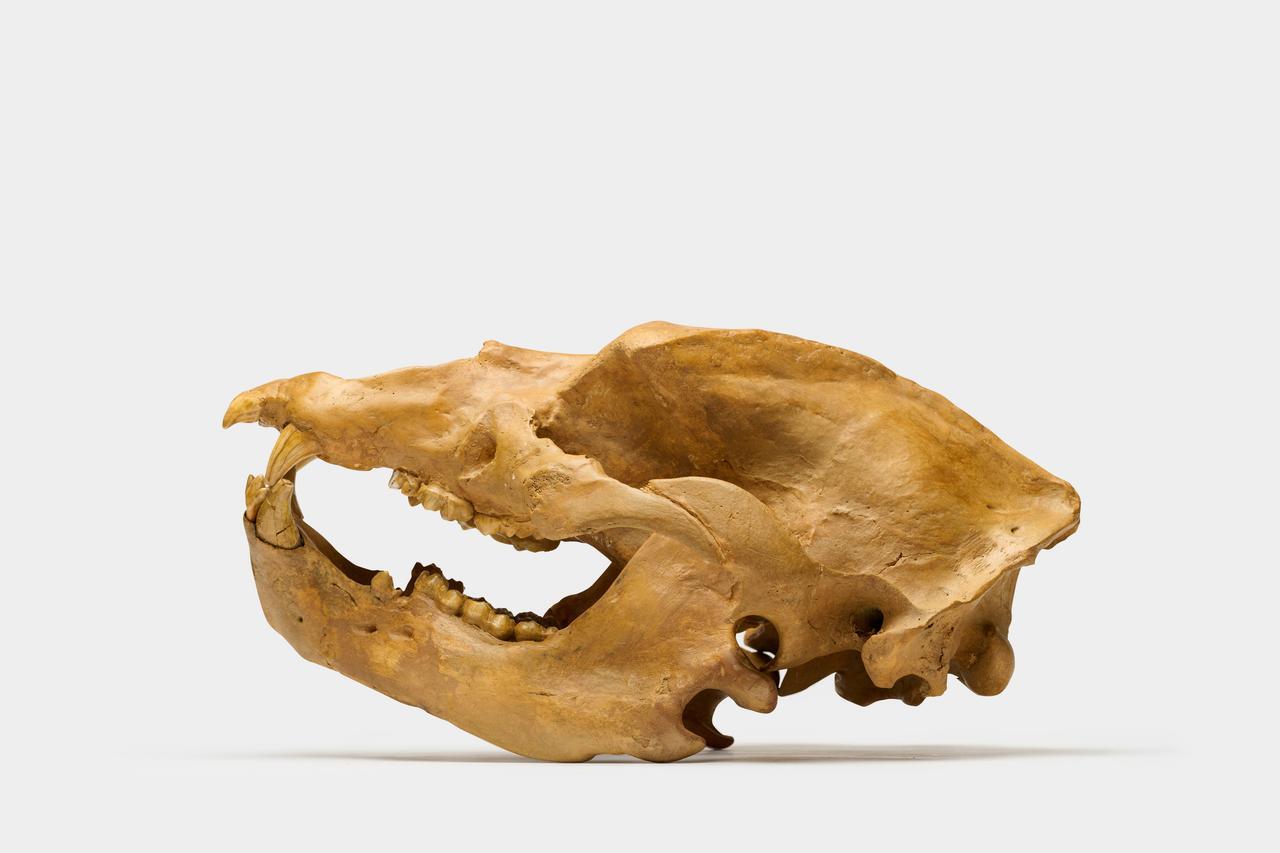
Fossil wood - 珪化木 - 42 cm - 31 cm


05
days
23
hours
24
minutes
49
seconds

 | €20 |
|---|
Catawiki Buyer Protection
Your payment’s safe with us until you receive your object.View details
Trustpilot 4.4 | 141873 reviews
Rated Excellent on Trustpilot.
Fossil wood specimen from Madagascar, Lower Jurassic, polished treatment, natural condition, authentic/original, dimensions 42 cm high by 31 cm wide by 3 cm thick, weight 6.16 kg.
AI-assisted summary
Description from the seller
マダガスカル産の非常に良く保存された化石木材の断片。期間 下部ジュラ紀。美しい色彩、明らかで美しく保存された木の質感、実に優れた品質。
Note the beautiful mineral crystallization created over millions of years inside the cracks of the wood
これはマダガスカル島のアンビロベ産の、幅広い丸形の化石木材(Araucaria)です。Araucariaは現代のモンキーパズルツリーを含む科に属する針葉樹です。この220百万年の昔の化石木材は両面を切削・研磨されており、内部の見事な木質ディテールと美しい着色を容易に見ることができます。
Petrified wood is the name given to wood that has been turned into stone (fossilized) through the process of permineralization. In this process, all of the organic matter becomes replaced by minerals, while much of the original structure, such as tree rings, is retained. For this to happen, the wood needs to be buried in an environment low in oxygen to prevent decomposition and with flowing, mineral-laden water, so minerals may replace structures. The coloration is caused by various minerals/impurities present in the water during fossilization. For example, red colors in many cases can be attributed to iron compounds, greens due to copper, and so on
マダガスカル産の非常に良く保存された化石木材の断片。期間 下部ジュラ紀。美しい色彩、明らかで美しく保存された木の質感、実に優れた品質。
Note the beautiful mineral crystallization created over millions of years inside the cracks of the wood
これはマダガスカル島のアンビロベ産の、幅広い丸形の化石木材(Araucaria)です。Araucariaは現代のモンキーパズルツリーを含む科に属する針葉樹です。この220百万年の昔の化石木材は両面を切削・研磨されており、内部の見事な木質ディテールと美しい着色を容易に見ることができます。
Petrified wood is the name given to wood that has been turned into stone (fossilized) through the process of permineralization. In this process, all of the organic matter becomes replaced by minerals, while much of the original structure, such as tree rings, is retained. For this to happen, the wood needs to be buried in an environment low in oxygen to prevent decomposition and with flowing, mineral-laden water, so minerals may replace structures. The coloration is caused by various minerals/impurities present in the water during fossilization. For example, red colors in many cases can be attributed to iron compounds, greens due to copper, and so on
Details
標本
Fossil wood
原産国
Madagascar
地質年代
Jurassic, Lower (201.3 - 174.1 million years)
コンディション
Natural
処理
Polished
重量
6.16 kg
高さ
42 cm
幅
31 cm
奥行き
3 cm
Authenticity
Original/official