No. 108059768

Sold
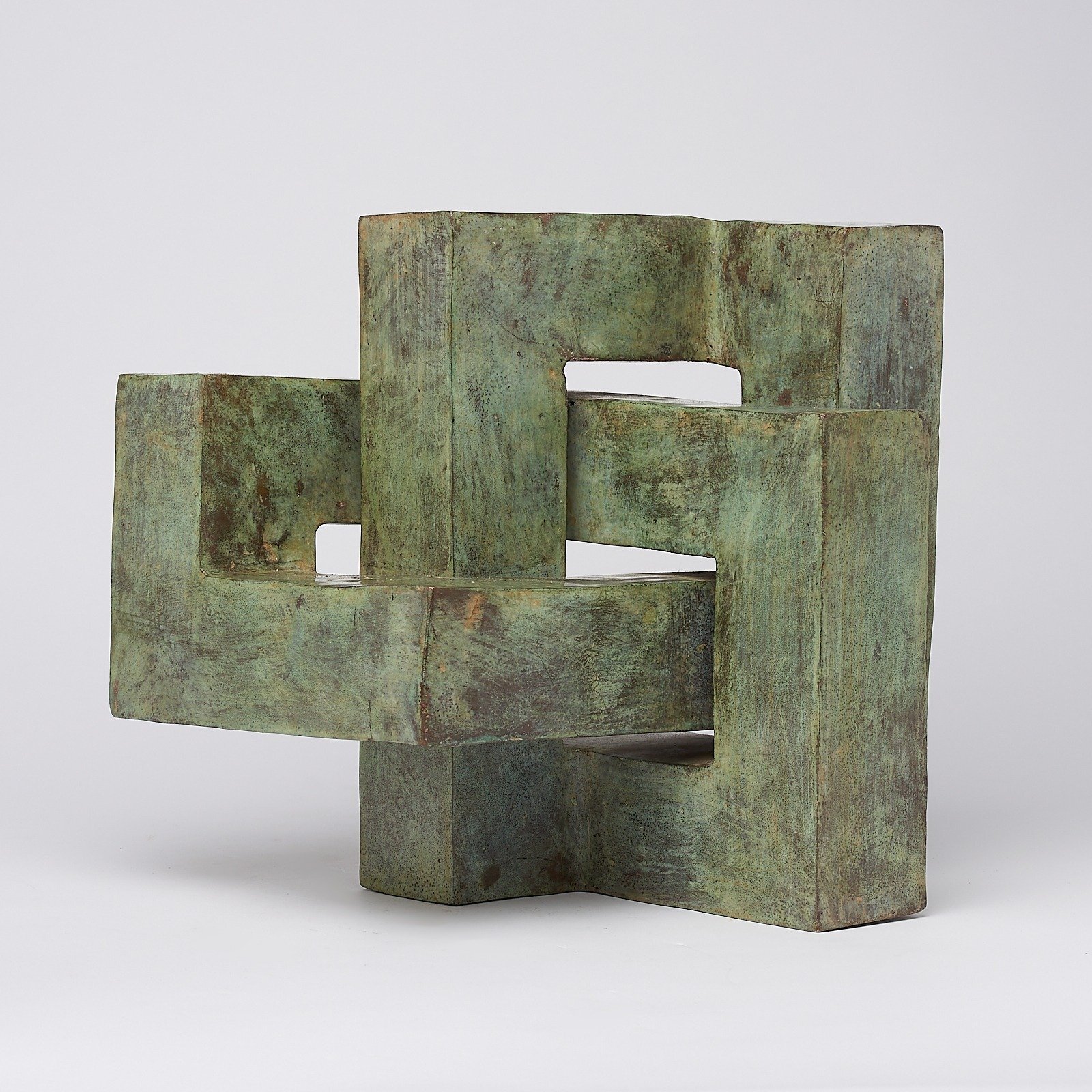
スツール - 1900年-1930年 - Wood, Oak, Metal - 木製の搾乳用スツール/テーブル
Final bid
€ 61
No reserve price
3 days ago

スツール - 1900年-1930年 - Wood, Oak, Metal - 木製の搾乳用スツール/テーブル

From Austria Large and Heavy item The photos have been taken of the actual product. Antique Industrial Wooden Stool – Early 20th Century – Reclaimed Timber and Metal Frame – Rustic European Workshop Furniture * Period: Early 20th century, circa 1900–1930 * Style: Industrial, utilitarian, rustic, primitive and early functionalist * Materials: Solid aged timber and tubular metal frame * Design: Thick rectangular wooden seat with a naturally distressed surface and dark metal legs with connecting support bars * Origin: European, exact country of origin unknown * Condition: Authentic vintage condition, with extensive age-related wear, weathering, surface cracks, natural wood imperfections, patina and visible losses to the metal finish * Character: An individual piece of early industrial furniture with a strong architectural presence and an honest, timeworn appearance Description An evocative early 20th-century industrial stool, distinguished by its substantial wooden seat, aged metal construction and beautifully weathered surfaces. Dating from approximately 1900–1930, this utilitarian piece reflects the practical approach to furniture design associated with European workshops, factories, agricultural buildings and traditional working environments of the period. The stool features a thick, rectangular timber seat with pronounced natural grain, deep grooves, knots, splits and an irregularly worn perimeter. Its grey-brown and warm earthy tones reveal the visual complexity of old wood, while the accumulated patina gives the surface a distinctive character that cannot easily be replicated by modern manufacturing. The prominent knots and naturally developed cracks make the timber visually compelling, transforming a simple functional object into an expressive example of rustic material design. The supporting structure consists of a dark tubular metal frame with slender legs and curved connecting supports. The metal displays areas of oxidation, rubbed surfaces, chipped paint and exposed underlying material, providing a striking contrast to the organic texture of the wooden seat. The straightforward construction prioritises function, durability and economy of materials, qualities closely associated with early industrial and workshop furniture. Its restrained silhouette brings together the visual language of primitive furniture, utilitarian design, industrial antiques and the emerging functionalist sensibility of the early twentieth century. There is no unnecessary ornamentation: the aesthetic comes entirely from the materials, proportions, construction and accumulated signs of use. The stool would sit naturally within an industrial loft, a contemporary minimalist interior, a rustic country house or an eclectic collection of European antiques. It could also complement a converted factory space, an architectural studio, a vintage-inspired kitchen or a carefully curated collector’s interior. Its understated form makes it suitable as an occasional seat, a decorative accent or a sculptural furnishing element, subject to its structural stability and intended use. The appeal of this piece lies in its authenticity and material presence. Unlike newly produced distressed furniture, it possesses genuine wear and an individual surface history. The combination of aged timber, weathered steel, dark patina and simple geometry gives it a distinctive character that works particularly well alongside contemporary architecture, natural stone, concrete, aged leather and other vintage furnishings. Condition The stool remains in visibly aged, unrestored condition. The wooden seat displays substantial surface wear, deep grain, cracks, knots, splits, darkened areas and irregular edges. The metal frame exhibits oxidation, scratches, paint loss and other signs of age and use. These characteristics are part of the item’s present condition and contribute to its industrial appearance. No claim is made that the stool has been professionally restored, structurally tested or treated for preservation. Potential buyers should carefully examine the photographs and assess its suitability for their intended use. Collector’s Appeal Early industrial furniture continues to attract interest from collectors and interior designers who appreciate authentic utilitarian objects, traditional craftsmanship and the visual qualities of aged materials. This stool offers an appealing combination of rustic wooden furniture, industrial metalwork, primitive design and understated architectural form. Its compact proportions and distinctive material contrast make it a versatile addition to a collection of antique stools, workshop furniture, vintage seating and industrial decorative objects. Rather than relying on elaborate decoration, it expresses its identity through honest construction, natural imperfections and the patina developed over time. For collectors seeking an individual piece with a strong material character, this early twentieth-century stool offers a compelling example of functional furniture with an enduring industrial aesthetic. A distinctive antique furnishing that brings together the warmth of aged timber, the character of weathered metal and the timeless simplicity of utilitarian design.

No. 108059768

Sold
スツール - 1900年-1930年 - Wood, Oak, Metal - 木製の搾乳用スツール/テーブル

スツール - 1900年-1930年 - Wood, Oak, Metal - 木製の搾乳用スツール/テーブル

From Austria
Large and Heavy item

The photos have been taken of the actual product.

Antique Industrial Wooden Stool – Early 20th Century – Reclaimed Timber and Metal Frame – Rustic European Workshop Furniture

* Period: Early 20th century, circa 1900–1930
* Style: Industrial, utilitarian, rustic, primitive and early functionalist
* Materials: Solid aged timber and tubular metal frame
* Design: Thick rectangular wooden seat with a naturally distressed surface and dark metal legs with connecting support bars
* Origin: European, exact country of origin unknown
* Condition: Authentic vintage condition, with extensive age-related wear, weathering, surface cracks, natural wood imperfections, patina and visible losses to the metal finish
* Character: An individual piece of early industrial furniture with a strong architectural presence and an honest, timeworn appearance

Description

An evocative early 20th-century industrial stool, distinguished by its substantial wooden seat, aged metal construction and beautifully weathered surfaces. Dating from approximately 1900–1930, this utilitarian piece reflects the practical approach to furniture design associated with European workshops, factories, agricultural buildings and traditional working environments of the period.

The stool features a thick, rectangular timber seat with pronounced natural grain, deep grooves, knots, splits and an irregularly worn perimeter. Its grey-brown and warm earthy tones reveal the visual complexity of old wood, while the accumulated patina gives the surface a distinctive character that cannot easily be replicated by modern manufacturing. The prominent knots and naturally developed cracks make the timber visually compelling, transforming a simple functional object into an expressive example of rustic material design.

The supporting structure consists of a dark tubular metal frame with slender legs and curved connecting supports. The metal displays areas of oxidation, rubbed surfaces, chipped paint and exposed underlying material, providing a striking contrast to the organic texture of the wooden seat. The straightforward construction prioritises function, durability and economy of materials, qualities closely associated with early industrial and workshop furniture.

Its restrained silhouette brings together the visual language of primitive furniture, utilitarian design, industrial antiques and the emerging functionalist sensibility of the early twentieth century. There is no unnecessary ornamentation: the aesthetic comes entirely from the materials, proportions, construction and accumulated signs of use.

The stool would sit naturally within an industrial loft, a contemporary minimalist interior, a rustic country house or an eclectic collection of European antiques. It could also complement a converted factory space, an architectural studio, a vintage-inspired kitchen or a carefully curated collector’s interior. Its understated form makes it suitable as an occasional seat, a decorative accent or a sculptural furnishing element, subject to its structural stability and intended use.

The appeal of this piece lies in its authenticity and material presence. Unlike newly produced distressed furniture, it possesses genuine wear and an individual surface history. The combination of aged timber, weathered steel, dark patina and simple geometry gives it a distinctive character that works particularly well alongside contemporary architecture, natural stone, concrete, aged leather and other vintage furnishings.

Condition

The stool remains in visibly aged, unrestored condition. The wooden seat displays substantial surface wear, deep grain, cracks, knots, splits, darkened areas and irregular edges. The metal frame exhibits oxidation, scratches, paint loss and other signs of age and use.

These characteristics are part of the item’s present condition and contribute to its industrial appearance. No claim is made that the stool has been professionally restored, structurally tested or treated for preservation. Potential buyers should carefully examine the photographs and assess its suitability for their intended use.

Collector’s Appeal

Early industrial furniture continues to attract interest from collectors and interior designers who appreciate authentic utilitarian objects, traditional craftsmanship and the visual qualities of aged materials. This stool offers an appealing combination of rustic wooden furniture, industrial metalwork, primitive design and understated architectural form.

Its compact proportions and distinctive material contrast make it a versatile addition to a collection of antique stools, workshop furniture, vintage seating and industrial decorative objects. Rather than relying on elaborate decoration, it expresses its identity through honest construction, natural imperfections and the patina developed over time.

For collectors seeking an individual piece with a strong material character, this early twentieth-century stool offers a compelling example of functional furniture with an enduring industrial aesthetic.

A distinctive antique furnishing that brings together the warmth of aged timber, the character of weathered metal and the timeless simplicity of utilitarian design.


Final bid
€ 61
No reserve price

Similar objects

  • ​
    ​
    ​
  • ​
    ​
    ​
  • ​
    ​
    ​
  • ​
    ​
    ​
  • ​
    ​
    ​
  • ​
    ​
    ​
  • ​
    ​
    ​
  • ​
    ​
    ​
  • ​
    ​
    ​
  • ​
    ​
    ​

For you in

装飾品

  • ​
    ​
    ​
  • ​
    ​
    ​
  • ​
    ​
    ​
  • ​
    ​
    ​
  • ​
    ​
    ​
  • ​
    ​
    ​
  • ​
    ​
    ​
  • ​
    ​
    ​
  • ​
    ​
    ​
  • ​
    ​
    ​
Set a search alert
Set a search alert to get notified when new matches are available.

This object was featured in


How to buy on Catawiki

Learn more about our Buyer Protection

      1. Discover something special

      Browse through thousands of special objects selected by experts. View the photos, details and estimated value of each special object. 

      2. Place the top bid

      Find something you love and place the top bid. You can follow the auction to the end or let our system do the bidding for you. All you have to do is set a bid for the maximum amount you want to pay. 

      3. Make a secure payment

      Pay for your special object and we’ll keep your payment secure until it arrives safe and sound. We use a trusted payment system to handle all transactions. 

Have something similar to sell?

Whether you're new to online auctions or sell professionally, we can help you earn more for your special objects.

Sell your object