
编号 100094673

已不存在
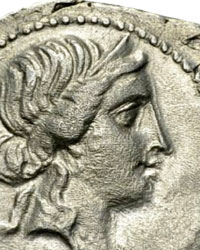
爱奥尼亚 1/24 El Gold  stater circa 625-600 BC
竞投已结束
1天前

爱奥尼亚 1/24 El Gold stater circa 625-600 BC

IONIA. Uncertain mint. Circa 600-550 BC. 1/24 Stater (Electrum gold, 6 mm, 0.63 g). Uncertain design Rev. Incuse punch with pellets. Electrum=elektron is een alloy of mainly gold and silver used for the first coins. Other than the literary tradition ascribing the origin of coinage to the kings of Lydia, there is little evidence for a more exact chronology of early Greek coinage. The tradition, buttressed by limited archaeological studies, does confirm Asia Minor as the place of origin, most likely Lydia or Ionia, and a date somewhere around 650-625 BC. The alloy used, a mixture of gold and silver known to the Greeks as elektron was based on the natural ore found in nugget form in many riverbeds in the region. The earliest coins were of a globular shape and without design in imitation of this natural form; later, simple striated and punched patterns of squares, rectangles, and swastikas were included. The earliest true types may have developed from the use of personal seals, the most widely known being the stater of Ephesos with a stag bearing the inscription “I am a seal of Phanes”. These devices later took on the characteristics of civic symbols, although it would be dangerous to link a specific symbol to a particular city in this early period. The most secure form of classification has been by weight standard, based on two major, and several lesser-used, standards. The Milesian standard, with a stater of roughly 14 grams, saw circulation in Lydia and parts of Ionia. The Phokaic standard of roughly 16 grams was also used in Ionia as well as Mysia. Persic, Aeginetan, and Euboic standards saw scattered use in early coinage, limited in time and extent of circulation. The intrinsic value of the early electrum, even down to the 1/96 stater, was too high for use in everyday commerce, and early coinage must have been used only for the transfer of large sums of money, such as mercantile transactions, payment of government expenses (mercenaries, tribute and such), and donatives, either for services rendered to individuals or the state, or to religious foundations. The Artemision deposits, hoards of early electrum found at the site of the temple of Artemis at Ephesos, are examples of the latter.
编号 100094673

已不存在
爱奥尼亚 1/24 El Gold  stater circa 625-600 BC

爱奥尼亚 1/24 El Gold stater circa 625-600 BC

IONIA. Uncertain mint. Circa 600-550 BC. 1/24 Stater (Electrum gold, 6 mm, 0.63 g). Uncertain design Rev. Incuse punch with pellets.

Electrum=elektron is een alloy of mainly gold and silver used for the first coins.
Other than the literary tradition ascribing the origin of coinage to the kings of Lydia, there is little evidence for a more exact chronology of early Greek coinage. The tradition, buttressed by limited archaeological studies, does confirm Asia Minor as the place of origin, most likely Lydia or Ionia, and a date somewhere around 650-625 BC. The alloy used, a mixture of gold and silver known to the Greeks as elektron was based on the natural ore found in nugget form in many riverbeds in the region. The earliest coins were of a globular shape and without design in imitation of this natural form; later, simple striated and punched patterns of squares, rectangles, and swastikas were included. The earliest true types may have developed from the use of personal seals, the most widely known being the stater of Ephesos with a stag bearing the inscription “I am a seal of Phanes”. These devices later took on the characteristics of civic symbols, although it would be dangerous to link a specific symbol to a particular city in this early period. The most secure form of classification has been by weight standard, based on two major, and several lesser-used, standards. The Milesian standard, with a stater of roughly 14 grams, saw circulation in Lydia and parts of Ionia. The Phokaic standard of roughly 16 grams was also used in Ionia as well as Mysia. Persic, Aeginetan, and Euboic standards saw scattered use in early coinage, limited in time and extent of circulation. The intrinsic value of the early electrum, even down to the 1/96 stater, was too high for use in everyday commerce, and early coinage must have been used only for the transfer of large sums of money, such as mercantile transactions, payment of government expenses (mercenaries, tribute and such), and donatives, either for services rendered to individuals or the state, or to religious foundations. The Artemision deposits, hoards of early electrum found at the site of the temple of Artemis at Ephesos, are examples of the latter.

竞投已结束
Carmen Vera Gutiérrez
专家
估价  € 200 - € 220

类似物品

类别为您准备的

古代硬币

设置搜索提醒
设置搜索提醒,以便在有新匹配项目时随时收到通知。

该物品出现在


如何在Catawiki上购买

详细了解我们的买家保障

      1. 发现奇珍异品

      饱览数以千计的专家精选的稀奇物品。查看每件稀奇物品的照片、详情和估价。 

      2. 设置最高出价

      找到您喜欢的物品并设置最高出价。您可以关注拍卖直到最后,也可以让系统为您出价。您只需设置可接受的最高出价。 

      3. 安全支付

      当您付款拍下心仪的稀奇物品后,我们会确保货款的安全,直至物品安然交付与您。我们使用受信赖的支付系统来处理所有交易。 

有类似的东西要出售吗?

无论您是在线拍卖的新手还是专业销售,我们都可以帮助您为您的独特物品赚取更多收入。

出售您的物品