
编号 100384977

已售出
美国陆军A类夹克——在欧洲和太平洋作战——海外服役2.5年——鲁尔/阿登 - 军装 - 带奖牌条 - 1942
最终出价
€ 94
7小时前

美国陆军A类夹克——在欧洲和太平洋作战——海外服役2.5年——鲁尔/阿登 - 军装 - 带奖牌条 - 1942

Nice 100% original class A jacket in great condition with a 9th army patch, known for their combat in Europe, and a Good Conduct - European Campaign - and pacific campaigb medal bar, with three campaign stars, showing the owner participated in two major European campaigns of the 9th army and one in the pacific theathre of operations. it seems another medal bar was once present but not anymore. the label is still there and dates the jacket to 1942. The jacket is in good condition. The 5 overseas bars indicate 2,5 years overseas service. There are some laundry codes / names /initials inside that potentially could be used to trace the original owner. A very nice uniform of the iconic 9th US Army as worn during WW2! See also our other interesting WW2 items! 9th Army The first responsibility for Ninth Army, upon its arrival on 5 September was to take part in the final reduction of the German forces holding out in the French port of Brest. After the surrender of the town fifteen days later, Ninth Army was sent east to take its place in the line. It came into the line between Third Army and First Army. In November, Ninth Army was shifted to the very northern flank of 12th Army Group. It undertook operations to close the front up to the Roer River. 16 December saw the opening of the last great German offensive of the war, the Battle of the Bulge. Ninth Army was isolated from the headquarters of 12th Army Group, and it was thus placed (on 20 December[1]) under the command of General Bernard Montgomery's 21st Army Group along with First Army, despite opposition from General Omar Bradley. Simpson reoriented his command quickly to help in the reduction of the salient that the Germans had created. Many of Ninth Army's units passed to the command of First Army, which was doing the main work of reducing the German salient from the north. In the meantime, the remainder of Ninth Army continued to hold the line along the Roer. When First Army and Third Army had finished reducing the salient, First Army returned to the command of 12th Army Group, but Ninth Army remained under the command of 21st Army Group for the remainder of the Rhineland Campaign. In late February 1945 the Ninth Army launched Operation Grenade, which was the southern prong of a pincer attack coordinated with Canadian First Army's Operation Veritable, with the purpose of closing the front up to the Rhine. By 10 March, the Rhine had been reached in all sectors of Ninth Army's front. It was not until after 20 March that Ninth Army units first crossed the Rhine itself (Operation Flashpoint). However, after doing so, the Army quickly struck east around the north of the Ruhr. An enormous pocket soon formed containing the German Army Group B under Walter Model. By 4 April, Ninth Army had reached the Weser[2] and was switched back to 12th Army Group.[3] The end was now clearly in sight, and as part of Ninth Army, along with the newly arrived Fifteenth Army, reduced the enormous Ruhr Pocket, other elements reached the Elbe on 12 April. On 2 May 1945, the whole of Ninth Army's front reached the agreed demarcation point with the Russians, and the advance ceased. Around 7 May 1945, the Ninth Army accepted around 100,000 prisoners from the German Twelfth Army under General Walther Wenck, and the German Ninth Army (Germany) under General Theodor Busse. On 15 June 1945 the units of the Ninth Army were turned over to the Seventh United States Army and the Ninth Army headquarters prepared to redeploy to China to support combat operations against the Japanese. On 8 July Ninth Army headquarters had moved to Deauville, France to prepare for re-deployment to the United States. On 27 July the headquarters boarded the Army transport ship John Ericsson bound for New York City, where it arrived on 6 August, the same date of the atomic bombing of Hiroshima. The headquarters then was moved to Camp Shanks, New York for administrative processing prior to deployment to China.[4]
编号 100384977

已售出
美国陆军A类夹克——在欧洲和太平洋作战——海外服役2.5年——鲁尔/阿登 - 军装 - 带奖牌条 - 1942

美国陆军A类夹克——在欧洲和太平洋作战——海外服役2.5年——鲁尔/阿登 - 军装 - 带奖牌条 - 1942

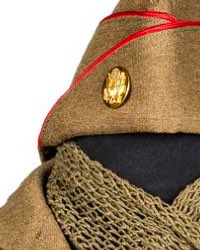
Nice 100% original class A jacket in great condition with a 9th army patch, known for their combat in Europe, and a Good Conduct - European Campaign - and pacific campaigb medal bar, with three campaign stars, showing the owner participated in two major European campaigns of the 9th army and one in the pacific theathre of operations. it seems another medal bar was once present but not anymore. the label is still there and dates the jacket to 1942. The jacket is in good condition. The 5 overseas bars indicate 2,5 years overseas service. There are some laundry codes / names /initials inside that potentially could be used to trace the original owner.

A very nice uniform of the iconic 9th US Army as worn during WW2!

See also our other interesting WW2 items!

9th Army
The first responsibility for Ninth Army, upon its arrival on 5 September was to take part in the final reduction of the German forces holding out in the French port of Brest. After the surrender of the town fifteen days later, Ninth Army was sent east to take its place in the line. It came into the line between Third Army and First Army.

In November, Ninth Army was shifted to the very northern flank of 12th Army Group. It undertook operations to close the front up to the Roer River. 16 December saw the opening of the last great German offensive of the war, the Battle of the Bulge. Ninth Army was isolated from the headquarters of 12th Army Group, and it was thus placed (on 20 December[1]) under the command of General Bernard Montgomery's 21st Army Group along with First Army, despite opposition from General Omar Bradley. Simpson reoriented his command quickly to help in the reduction of the salient that the Germans had created. Many of Ninth Army's units passed to the command of First Army, which was doing the main work of reducing the German salient from the north. In the meantime, the remainder of Ninth Army continued to hold the line along the Roer. When First Army and Third Army had finished reducing the salient, First Army returned to the command of 12th Army Group, but Ninth Army remained under the command of 21st Army Group for the remainder of the Rhineland Campaign.

In late February 1945 the Ninth Army launched Operation Grenade, which was the southern prong of a pincer attack coordinated with Canadian First Army's Operation Veritable, with the purpose of closing the front up to the Rhine. By 10 March, the Rhine had been reached in all sectors of Ninth Army's front. It was not until after 20 March that Ninth Army units first crossed the Rhine itself (Operation Flashpoint). However, after doing so, the Army quickly struck east around the north of the Ruhr. An enormous pocket soon formed containing the German Army Group B under Walter Model. By 4 April, Ninth Army had reached the Weser[2] and was switched back to 12th Army Group.[3]

The end was now clearly in sight, and as part of Ninth Army, along with the newly arrived Fifteenth Army, reduced the enormous Ruhr Pocket, other elements reached the Elbe on 12 April. On 2 May 1945, the whole of Ninth Army's front reached the agreed demarcation point with the Russians, and the advance ceased. Around 7 May 1945, the Ninth Army accepted around 100,000 prisoners from the German Twelfth Army under General Walther Wenck, and the German Ninth Army (Germany) under General Theodor Busse.

On 15 June 1945 the units of the Ninth Army were turned over to the Seventh United States Army and the Ninth Army headquarters prepared to redeploy to China to support combat operations against the Japanese. On 8 July Ninth Army headquarters had moved to Deauville, France to prepare for re-deployment to the United States. On 27 July the headquarters boarded the Army transport ship John Ericsson bound for New York City, where it arrived on 6 August, the same date of the atomic bombing of Hiroshima. The headquarters then was moved to Camp Shanks, New York for administrative processing prior to deployment to China.[4]

最终出价
€ 94
Marcel van Hulst
专家
估价  € 210 - € 250

类似物品

类别为您准备的

历史纪念品

设置搜索提醒
设置搜索提醒,以便在有新匹配项目时随时收到通知。

该物品出现在


如何在Catawiki上购买

详细了解我们的买家保障

      1. 发现奇珍异品

      饱览数以千计的专家精选的稀奇物品。查看每件稀奇物品的照片、详情和估价。 

      2. 设置最高出价

      找到您喜欢的物品并设置最高出价。您可以关注拍卖直到最后,也可以让系统为您出价。您只需设置可接受的最高出价。 

      3. 安全支付

      当您付款拍下心仪的稀奇物品后,我们会确保货款的安全,直至物品安然交付与您。我们使用受信赖的支付系统来处理所有交易。 

有类似的东西要出售吗?

无论您是在线拍卖的新手还是专业销售,我们都可以帮助您为您的独特物品赚取更多收入。

出售您的物品