
编号 104419247

已不存在
Kaskhul - 铜, 黄铜 - 土耳其 - Early 20th century
竞投已结束
2周前

Kaskhul - 铜, 黄铜 - 土耳其 - Early 20th century

We present to you a museum-quality object from Türkiye: an antique Ottoman Islamic Mevlevi Keşkül-ü Fukara. In perfect condition for display. This piece comes from a high-end collection. It is one of the rarest objects representing the most meaningful and profound philosophy of Ottoman Sufi culture, the dervish tradition, and Tekke art; a hand-forged copper Mevlevi Keşkül-ü Fukara from the early 1900s (Late Ottoman/Early Republic) period. Both its traditional calligraphy and the hand-crafted penmanship on it make it far more than just an antique; it is a museum-quality collectible piece with spiritual value and a story. WHAT IS KEŞKÜL-Ü FUKARA? DEFINITION AND ITS DEEP STORY "Keşkül," literally means a container carried by dervishes to hold food or donated money. In Sufi literature and tekke (Sufi lodge) life, the story and symbolism of this object are quite profound: Breaking Pride and Self-Discipline: In the Ottoman Empire, those who entered the Sufi path and wished to become dervishes (this included sons of viziers, wealthy merchants, or highly educated judges) were sent among the people with a begging bowl by their Sheikhs for a certain period, with the aim of completely eliminating their pride and ego. Not Begging, but Training in Humility: The dervishes' aim here was not to beg; it was to learn to be content with the sustenance that the people would leave in the begging bowl from their hearts, without asking for anything from anyone. The collected food or money never became the dervish's personal property; when they returned to the tekke in the evening, it was poured into the soup kitchen and distributed among all the poor. Philosophy: The keşkül (a type of bowl) was one of the most important symbols reminding the dervish of the state of "Nothingness" and instilling the awareness that "Property belongs to God." Its Place in Ottoman Tekke History and Mevlevi Order The keşkül shown in the image is designed based on the form used by Mevlevi and Bektashi dervishes during their journeys (spiritual travels) or services within the tekke. Part of Tekke Life: The early 1900s were the last period in the late Ottoman Empire when tekkes actively kept this culture alive. This keşkül was specially manufactured by the skilled coppersmiths of that era to be presented to the dervishes or Sufi practitioners of the tekke. The Origin of the Keşkül-ü Fukara Dessert: The famous "Keşkül" dessert in Ottoman culinary culture also takes its name from this bowl. In Sufi lodges, this high-calorie, nutritious dessert, made with ingredients collected in these containers (especially almonds, rice with zucchini, and milk), was distributed to the poor, hence its name "Keşkül-ü Fukara" (Poor Man's Keşkül). **CRAFTSMANSHIP DETAILS AND FORM CHARACTERISTICS** **Traditional Keşkül (Strainer) Form:** The piece is hammered in the form of a noble boat/ship (sailor), remaining faithful to the form of the coconut shell (Ceylon coconut/Coco de Mer), the original raw material of the keşkül. In Sufism, this form also symbolizes the "shelter ship sailing on the world's sea." **Brass (Bronze) Dragon/Snake Head Hanging Handles:** At both ends of the keşkül, there are two hanging handles made of cast brass, to which chains are attached, allowing dervishes to hang it on their shoulders. These handles, upon closer inspection, are in the form of stylized dragon or snake heads. In Sufi art, the dragon/snake is a very common motif symbolizing the control of the ego and worldly desires. Engraving Motifs: The upper band of the bowl's body features geometric chain motifs and stylized leaf lines worked with engraving (penwork) technique. The magnificent green and brown patina that has formed on the copper over time reveals the piece's history. CONDITION REPORT AND TECHNICAL SPECIFICATIONS Material: Hand-forged thick solid copper body, cast brass hanging hooks. Condition: In excellent condition for its age. Apart from natural dents and surface oxidation (patina) caused by time, there are no deep cracks, holes, or subsequent restorations that would compromise the integrity or form of the piece. Traces of period tin plating are visible in places on the interior. The base and all its lines are completely original. It will be shipped in appropriate packaging. Our product is shown in detail in the photos. Suitable for gifts or decoration. We are sure it will be a perfect decorative object for your home or office. [We offer excellent and high-quality products.] Customer satisfaction is very important to us. We hope you will be satisfied with our products and with us.
编号 104419247

已不存在
Kaskhul - 铜, 黄铜 - 土耳其 - Early 20th century

Kaskhul - 铜, 黄铜 - 土耳其 - Early 20th century

We present to you a museum-quality object from Türkiye: an antique Ottoman Islamic Mevlevi Keşkül-ü Fukara. In perfect condition for display.

This piece comes from a high-end collection.

It is one of the rarest objects representing the most meaningful and profound philosophy of Ottoman Sufi culture, the dervish tradition, and Tekke art; a hand-forged copper Mevlevi Keşkül-ü Fukara from the early 1900s (Late Ottoman/Early Republic) period.

Both its traditional calligraphy and the hand-crafted penmanship on it make it far more than just an antique; it is a museum-quality collectible piece with spiritual value and a story.

WHAT IS KEŞKÜL-Ü FUKARA? DEFINITION AND ITS DEEP STORY
"Keşkül," literally means a container carried by dervishes to hold food or donated money. In Sufi literature and tekke (Sufi lodge) life, the story and symbolism of this object are quite profound:

Breaking Pride and Self-Discipline: In the Ottoman Empire, those who entered the Sufi path and wished to become dervishes (this included sons of viziers, wealthy merchants, or highly educated judges) were sent among the people with a begging bowl by their Sheikhs for a certain period, with the aim of completely eliminating their pride and ego.

Not Begging, but Training in Humility: The dervishes' aim here was not to beg; it was to learn to be content with the sustenance that the people would leave in the begging bowl from their hearts, without asking for anything from anyone. The collected food or money never became the dervish's personal property; when they returned to the tekke in the evening, it was poured into the soup kitchen and distributed among all the poor.

Philosophy: The keşkül (a type of bowl) was one of the most important symbols reminding the dervish of the state of "Nothingness" and instilling the awareness that "Property belongs to God."

Its Place in Ottoman Tekke History and Mevlevi Order
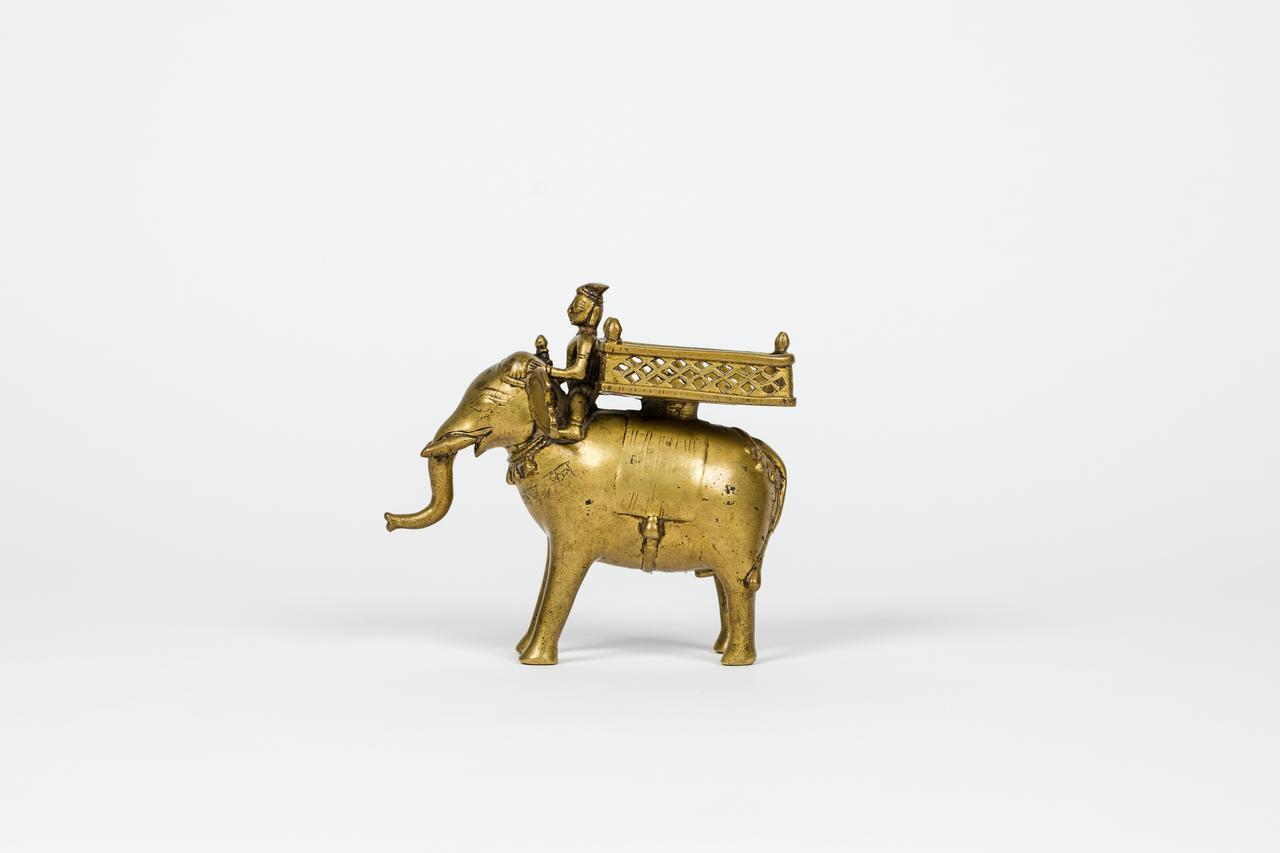
The keşkül shown in the image is designed based on the form used by Mevlevi and Bektashi dervishes during their journeys (spiritual travels) or services within the tekke.

Part of Tekke Life: The early 1900s were the last period in the late Ottoman Empire when tekkes actively kept this culture alive. This keşkül was specially manufactured by the skilled coppersmiths of that era to be presented to the dervishes or Sufi practitioners of the tekke.

The Origin of the Keşkül-ü Fukara Dessert: The famous "Keşkül" dessert in Ottoman culinary culture also takes its name from this bowl. In Sufi lodges, this high-calorie, nutritious dessert, made with ingredients collected in these containers (especially almonds, rice with zucchini, and milk), was distributed to the poor, hence its name "Keşkül-ü Fukara" (Poor Man's Keşkül).

**CRAFTSMANSHIP DETAILS AND FORM CHARACTERISTICS**
**Traditional Keşkül (Strainer) Form:** The piece is hammered in the form of a noble boat/ship (sailor), remaining faithful to the form of the coconut shell (Ceylon coconut/Coco de Mer), the original raw material of the keşkül. In Sufism, this form also symbolizes the "shelter ship sailing on the world's sea."

**Brass (Bronze) Dragon/Snake Head Hanging Handles:** At both ends of the keşkül, there are two hanging handles made of cast brass, to which chains are attached, allowing dervishes to hang it on their shoulders. These handles, upon closer inspection, are in the form of stylized dragon or snake heads. In Sufi art, the dragon/snake is a very common motif symbolizing the control of the ego and worldly desires.

Engraving Motifs: The upper band of the bowl's body features geometric chain motifs and stylized leaf lines worked with engraving (penwork) technique. The magnificent green and brown patina that has formed on the copper over time reveals the piece's history.

CONDITION REPORT AND TECHNICAL SPECIFICATIONS
Material: Hand-forged thick solid copper body, cast brass hanging hooks.

Condition: In excellent condition for its age. Apart from natural dents and surface oxidation (patina) caused by time, there are no deep cracks, holes, or subsequent restorations that would compromise the integrity or form of the piece. Traces of period tin plating are visible in places on the interior. The base and all its lines are completely original.
It will be shipped in appropriate packaging.

Our product is shown in detail in the photos.

Suitable for gifts or decoration.

We are sure it will be a perfect decorative object for your home or office.

[We offer excellent and high-quality products.] Customer satisfaction is very important to us. We hope you will be satisfied with our products and with us.

竞投已结束
Surya Rutten
专家
估价  € 220 - € 250

类似物品

类别为您准备的

印度及伊斯兰艺术

设置搜索提醒
设置搜索提醒,以便在有新匹配项目时随时收到通知。

该物品出现在


如何在Catawiki上购买

详细了解我们的买家保障

      1. 发现奇珍异品

      饱览数以千计的专家精选的稀奇物品。查看每件稀奇物品的照片、详情和估价。 

      2. 设置最高出价

      找到您喜欢的物品并设置最高出价。您可以关注拍卖直到最后,也可以让系统为您出价。您只需设置可接受的最高出价。 

      3. 安全支付

      当您付款拍下心仪的稀奇物品后,我们会确保货款的安全,直至物品安然交付与您。我们使用受信赖的支付系统来处理所有交易。 

有类似的东西要出售吗?

无论您是在线拍卖的新手还是专业销售,我们都可以帮助您为您的独特物品赚取更多收入。

出售您的物品