编号 106909806

编号 106909806
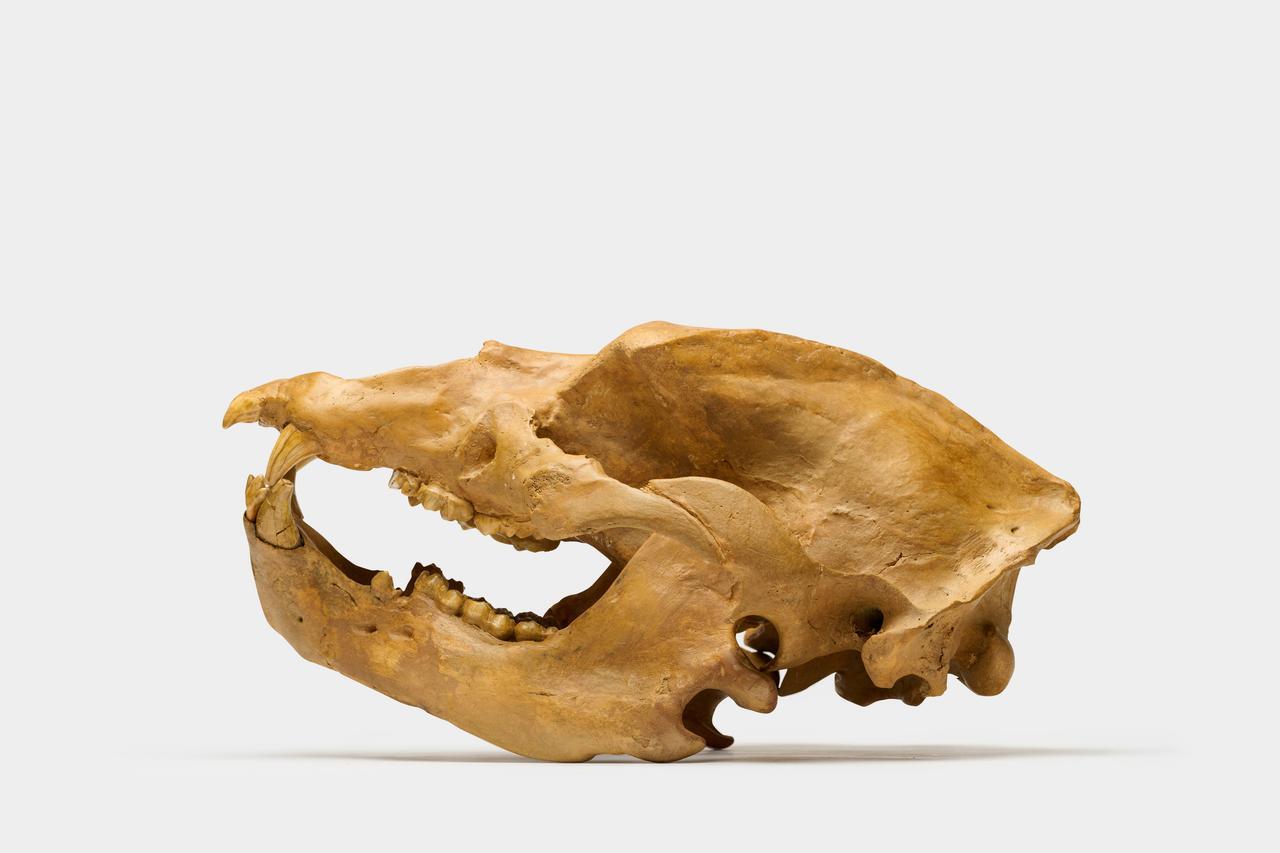
Prehistoric Bears during the Megafauna period of Indonesia.
Ancient Javan Sun Bear (Helarctos malayanus praemalayanus)
Status: Extinct Prehistoric Subspecies
Details: The modern sun bear (Helarctos malayanus) lives today in Sumatra and Borneo, but prehistoric fossil remains reveal an older, extinct Middle-to-Late Pleistocene subspecies (H. m. praemalayanus). Fossils found on the island of Java show that these archaic sun bears were slightly larger with distinct dental differences compared to today's living sun bears. While modern sun bears survived on other islands, they became completely extirpated from Java by the early Holocene.
Helarctos malayanus praemalayanus (the prehistoric Javan sun bear) was an archaic, extinct subspecies of the modern sun bear (Helarctos malayanus). It lived on the island of Java during the Middle-to-Late Pleistocene, when Java was periodically connected to mainland Southeast Asia via the exposed land bridge of Sundaland.
Extreme Fossil Rarity: Fossil remains of H. m. praemalayanus are exceptionally rare. Tropical rainforest environments have acidic soil and dense bio-activity, which rapidly destroy organic material before it can fossilize.
Discovery Sites: The subspecies was first identified and described in the early-to-mid 20th century (notably by Dutch paleontologist G.H.R. von Koenigswald) from isolated teeth and jaw fragments recovered from Middle-to-Late Pleistocene cave sites and alluvial beds in Central and East Java (such as the Punung fauna).
Local Extinction (Extirpation): As the last glacial period ended and sea levels rose, Sundaland submerged, isolating Java. The combination of shifting rainforest dynamics, shrinking island size, and competition eventually led to its extinction on Java by the early Holocene. Modern sun bears survived on nearby Sumatra and Borneo, but Java lost its bear population entirely.
This sample of the fossil has been significantly permineralized and also signs of taphonomic loss is inevitable given the acidic soil condition and length of permineralization. There is also a possibility that this skull belongs to a subspecies that is not yet documented/ discovered due to the lack of relatable morphology in the research domain at this time.
This skull is an amazing subject for study, research and private collection worthy of a world class museum. The extreme rarity adds to the value of this beautiful piece. We guaranteed this piece is probably one of less than a handful in the world.
This is your chance.
P.S. The skull comes as-seen condition, without display stand. The seller warrants that it will be packed in the best possible format and fastest shipping method. Any misinterpretation and miscommunication is unintended and will be deeply regretted.