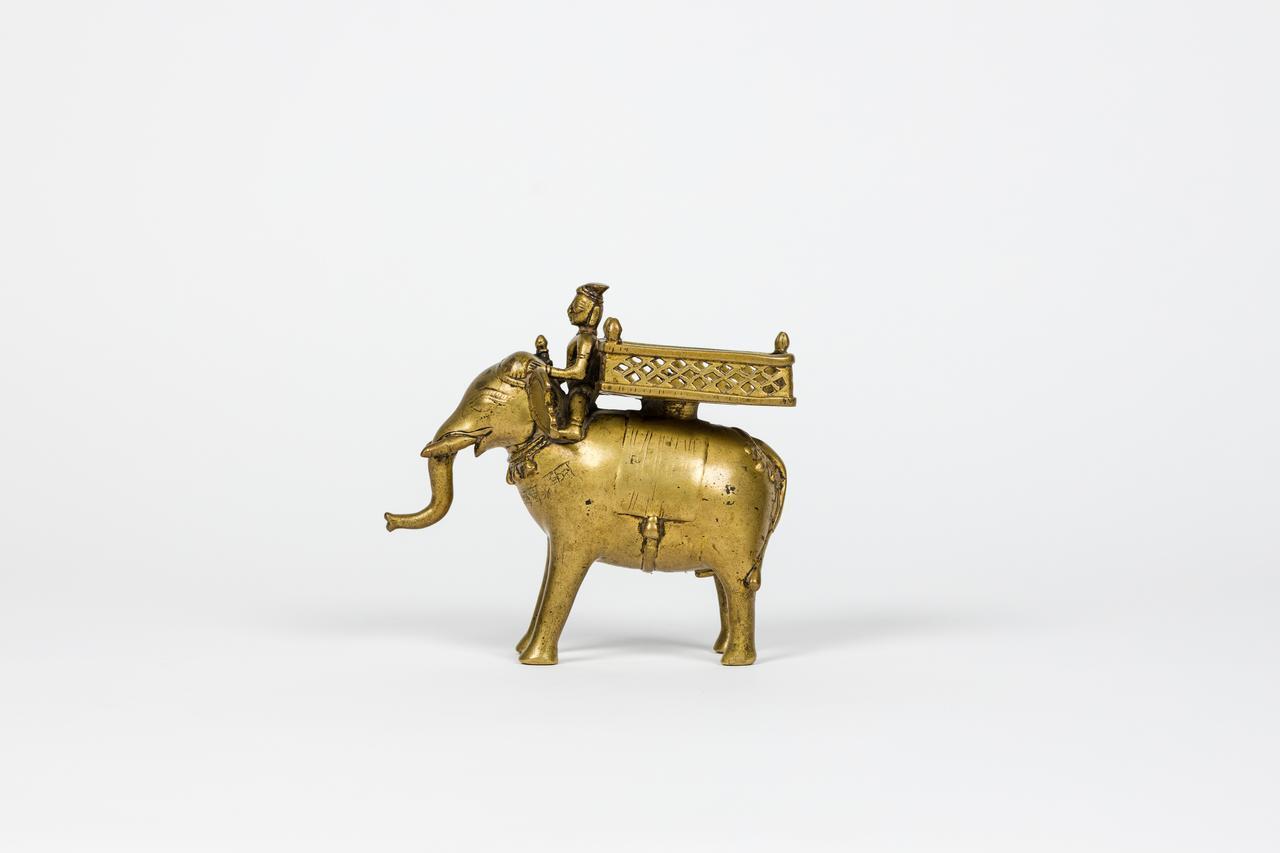
带驼峰的公牛像,奥里萨 - 黄铜色 - 印度 - 20世纪


03
天
19
小时
58
分钟
53
秒

 | €3 | |
|---|---|---|
 | €2 | |
| €1 |
Catawiki买家保障
在您收到物品之前,您的付款将在我们这里受到安全保管。查看详细信息
Trustpilot 4.4分 | 144916条评论
在Trustpilot上被评为优秀。
这件印度20世纪青铜雕像名为“Zebu bull figure, Orissa”,尺寸为7 × 6 × 3厘米。
AI辅助摘要
卖家的描述
This tribal brass cast zebu, or humped Indian bull would have been an important part of daily ritual for a Kondh (also spelt "Khond") family. These statues are sometimes referred to as water buffalo and are from the Kandhamal district of Orissa (modern-day Odisha). The zebu has been revered in India since Harrapan times (6 millennia ago) and was often seen as the progenitor and impregnator of the earth. The Gonds / Khonds / Kondhs once made human sacrifices to the earth goddess (Tari Pennu or Bera Pennu) as part of the Meriah festival to ensure good crops. This was later changed to the sacrifice of bulls hence the significance of this piece. This casting is made using the traditional Dokra technique. Dokra Damar tribes are the traditional metalsmiths of West Bengal. Their technique of lost wax casting is named after their tribe. The tribe can be found across India extending from Bihar to West Bengal and Orissa. Dokra - also spelt Dhokra, is a brass or bronze casting made using the lost wax technique. Provenance: former private collection from Germany
Bekijk de afbeeldingen voor een goede impressie van het item. Kavel kan bekeken en afgehaald worden bij de Asian African Art galerij in Vessem (NL).
In geval van verzenden Het kavel wordt zorgvuldig verpakt en aangetekend + verzekerd verzonden.
卖家故事
亚洲非洲艺术馆是一家专门研究民族志艺术的画廊。最近我们主要专注于非洲艺术
我们还擅长于黄金收藏硬币。
您的订单安全无虞,我们拥有超过50年的硬币生产经验。
有关更多有趣的物品,请访问我们的网站:位于荷兰的亚洲非洲艺术。
使用Google翻译翻译This tribal brass cast zebu, or humped Indian bull would have been an important part of daily ritual for a Kondh (also spelt "Khond") family. These statues are sometimes referred to as water buffalo and are from the Kandhamal district of Orissa (modern-day Odisha). The zebu has been revered in India since Harrapan times (6 millennia ago) and was often seen as the progenitor and impregnator of the earth. The Gonds / Khonds / Kondhs once made human sacrifices to the earth goddess (Tari Pennu or Bera Pennu) as part of the Meriah festival to ensure good crops. This was later changed to the sacrifice of bulls hence the significance of this piece. This casting is made using the traditional Dokra technique. Dokra Damar tribes are the traditional metalsmiths of West Bengal. Their technique of lost wax casting is named after their tribe. The tribe can be found across India extending from Bihar to West Bengal and Orissa. Dokra - also spelt Dhokra, is a brass or bronze casting made using the lost wax technique. Provenance: former private collection from Germany
Bekijk de afbeeldingen voor een goede impressie van het item. Kavel kan bekeken en afgehaald worden bij de Asian African Art galerij in Vessem (NL).
In geval van verzenden Het kavel wordt zorgvuldig verpakt en aangetekend + verzekerd verzonden.
卖家故事
亚洲非洲艺术馆是一家专门研究民族志艺术的画廊。最近我们主要专注于非洲艺术
我们还擅长于黄金收藏硬币。
您的订单安全无虞,我们拥有超过50年的硬币生产经验。
有关更多有趣的物品,请访问我们的网站:位于荷兰的亚洲非洲艺术。
使用Google翻译翻译详细资料
王朝风格/时期
20世纪
原产国
印度
材质
黄铜色
Height
7 cm
Width
6 cm
艺术品标题
Zebu bull figure, Orissa
Depth
3 cm
Condition
良好状态
起源
私人收藏
真伪
原始的/正式的