
编号 99710847

已不存在
罗马帝国. 伊拉加巴卢斯 (公元 218-222). Denarius Rome - ABVNDANTIA AVG
竞投已结束
11小时前

罗马帝国. 伊拉加巴卢斯 (公元 218-222). Denarius Rome - ABVNDANTIA AVG

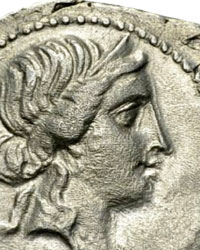
RULER: Elagabalus DATE: 218 - 222 A.D DENOMINATION: Denarius MATERIAL: Silver, AR SIZE & WEIGHT: 18 mm, 3 gr OBVERSE: Laureate bust of Elagabalus draped to right, around IMP ANTONINVS PIVS AVG REVERSE: Around ABVNDANTIA AVG, Abundantia standing to left emptying cornucopiae held with both hands, star to left REFERENCES: RIC 56, RSC 1a, BMC 189 Comes with Certificate of Authenticity and Export Licence. If you are from outside the European Union, we will have to apply for the export licence again for your country, this takes 3 to 5 weeks and has a cost of 5% of the hammer price, this amount will be added to the final invoice. Marcus Aurelius Antoninus (c. 203/4–222 CE), better known as Elagabalus (or Heliogabalus), was a Roman emperor whose brief reign, beginning at the age of 14, was one of the most controversial in Roman history. Born Sextus Varius Avitus Bassianus in Emesa, Syria, he was the hereditary high priest of the local sun god, Elagabal. His rise to power in 218 CE was engineered by his formidable grandmother, Julia Maesa, who leveraged the family's connection to the Severan dynasty by claiming Elagabalus was the illegitimate son of the recently assassinated Emperor Caracalla. This claim successfully won the loyalty of a legion, defeated the reigning usurper Macrinus, and saw the teenage priest installed on the imperial throne. The emperor's reign was immediately dominated by his religious zeal, which shocked and alienated the Roman aristocracy. Elagabalus brought the sacred symbol of his Syrian god—a large, black conical meteorite (baetyl)—to Rome, constructed the magnificent Elagabalium temple on the Palatine Hill, and elevated the deity Sol Invictus Elagabal to the position of supreme god in the Roman pantheon, superseding Jupiter himself. The emperor, dressing in flowing, ornate Syrian priestly robes and a tiara, performed ecstatic public rituals, which were deemed "barbaric" and effeminate by traditionalist Romans. His highly unusual public and personal life, including marrying a Vestal Virgin and allegedly prostituting himself, fueled tales of extreme decadence, eccentricity, and disregard for Roman customs. This combination of religious fanaticism, alleged sexual impropriety, and the promotion of non-traditional advisors proved to be his undoing. Julia Maesa, fearing that her grandson’s outrageous behavior would bring ruin to her entire dynasty, decided to replace him. She began promoting his younger, more moderate cousin, Severus Alexander, as a successor. After Elagabalus tried to have Alexander assassinated, the Praetorian Guard, thoroughly alienated, revolted. On March 11, 222 CE, at the age of 18, Elagabalus and his mother, Julia Soaemias, were murdered by the Guards. Their bodies were mutilated, dragged through the streets of Rome, and ultimately thrown into the Tiber River, followed by a formal damnatio memoriae to erase his memory from public records.
编号 99710847

已不存在
罗马帝国. 伊拉加巴卢斯 (公元 218-222). Denarius Rome - ABVNDANTIA AVG

罗马帝国. 伊拉加巴卢斯 (公元 218-222). Denarius Rome - ABVNDANTIA AVG

RULER: Elagabalus
DATE: 218 - 222 A.D
DENOMINATION: Denarius
MATERIAL: Silver, AR
SIZE & WEIGHT: 18 mm, 3 gr
OBVERSE: Laureate bust of Elagabalus draped to right, around IMP ANTONINVS PIVS AVG
REVERSE: Around ABVNDANTIA AVG, Abundantia standing to left emptying cornucopiae held with both hands, star to left
REFERENCES: RIC 56, RSC 1a, BMC 189

Comes with Certificate of Authenticity and Export Licence. If you are from outside the European Union, we will have to apply for the export licence again for your country, this takes 3 to 5 weeks and has a cost of 5% of the hammer price, this amount will be added to the final invoice.

Marcus Aurelius Antoninus (c. 203/4–222 CE), better known as Elagabalus (or Heliogabalus), was a Roman emperor whose brief reign, beginning at the age of 14, was one of the most controversial in Roman history. Born Sextus Varius Avitus Bassianus in Emesa, Syria, he was the hereditary high priest of the local sun god, Elagabal. His rise to power in 218 CE was engineered by his formidable grandmother, Julia Maesa, who leveraged the family's connection to the Severan dynasty by claiming Elagabalus was the illegitimate son of the recently assassinated Emperor Caracalla. This claim successfully won the loyalty of a legion, defeated the reigning usurper Macrinus, and saw the teenage priest installed on the imperial throne.

The emperor's reign was immediately dominated by his religious zeal, which shocked and alienated the Roman aristocracy. Elagabalus brought the sacred symbol of his Syrian god—a large, black conical meteorite (baetyl)—to Rome, constructed the magnificent Elagabalium temple on the Palatine Hill, and elevated the deity Sol Invictus Elagabal to the position of supreme god in the Roman pantheon, superseding Jupiter himself. The emperor, dressing in flowing, ornate Syrian priestly robes and a tiara, performed ecstatic public rituals, which were deemed "barbaric" and effeminate by traditionalist Romans. His highly unusual public and personal life, including marrying a Vestal Virgin and allegedly prostituting himself, fueled tales of extreme decadence, eccentricity, and disregard for Roman customs.

This combination of religious fanaticism, alleged sexual impropriety, and the promotion of non-traditional advisors proved to be his undoing. Julia Maesa, fearing that her grandson’s outrageous behavior would bring ruin to her entire dynasty, decided to replace him. She began promoting his younger, more moderate cousin, Severus Alexander, as a successor. After Elagabalus tried to have Alexander assassinated, the Praetorian Guard, thoroughly alienated, revolted. On March 11, 222 CE, at the age of 18, Elagabalus and his mother, Julia Soaemias, were murdered by the Guards. Their bodies were mutilated, dragged through the streets of Rome, and ultimately thrown into the Tiber River, followed by a formal damnatio memoriae to erase his memory from public records.

竞投已结束
Alessandro Fiamingo
专家
估价  € 150 - € 200

类似物品

类别为您准备的

古代硬币

设置搜索提醒
设置搜索提醒,以便在有新匹配项目时随时收到通知。

该物品出现在


如何在Catawiki上购买

详细了解我们的买家保障

      1. 发现奇珍异品

      饱览数以千计的专家精选的稀奇物品。查看每件稀奇物品的照片、详情和估价。 

      2. 设置最高出价

      找到您喜欢的物品并设置最高出价。您可以关注拍卖直到最后,也可以让系统为您出价。您只需设置可接受的最高出价。 

      3. 安全支付

      当您付款拍下心仪的稀奇物品后,我们会确保货款的安全,直至物品安然交付与您。我们使用受信赖的支付系统来处理所有交易。 

有类似的东西要出售吗?

无论您是在线拍卖的新手还是专业销售,我们都可以帮助您为您的独特物品赚取更多收入。

出售您的物品