
編號 100206269

無法使用
羅馬帝國. 腓力一世 (AD 244-249). Sestertius Rome - FORTVNA REDVX
競投已結束
3 天前

羅馬帝國. 腓力一世 (AD 244-249). Sestertius Rome - FORTVNA REDVX

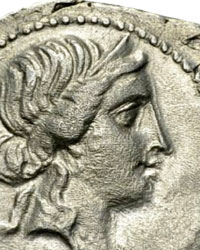
RULER: Philip I 'The Arab' DATE: 244 - 249 A.D DENOMINATION: Sestertius MATERIAL: Bronze, AE SIZE & WEIGHT: 28 mm, 17,6 gr OBVERSE: IMP M IVL PHILIPPVS AVG. Laureate, draped and cuirassed bust right. REVERSE: FORTVNA REDVX / S - C. Fortuna seated left, holding rudder and cornucopia, wheel below seat. REFERENCES: RIC IV.3#?174A, OCRE#?ric.4.ph_i.174A Comes with Certificate of Authenticity and Export Licence. If you are from outside the European Union, we will have to apply for the export licence again for your country, this takes 3 to 5 weeks and has a cost of 5% of the hammer price, this amount will be added to the final invoice. Marcus Julius Philippus, famously known as Philip the Arab (Philippus Arabs), was Roman Emperor from 244 to 249 CE during the turbulent period known as the Crisis of the Third Century. Born around 204 CE in the province of Arabia Petraea (modern-day Syria/Jordan), he was the first Roman emperor to hail from a non-European province, earning his distinctive epithet. His origins are obscure, though he rose from a local equestrian family and advanced rapidly through the military ranks, highlighting a key characteristic of the era where provincial generals increasingly seized power. His brother, Gaius Julius Priscus, also held high office, demonstrating the family’s growing influence. Philip’s ascent to the purple was secured during the Persian campaign of Emperor Gordian III. While serving as the Praetorian Prefect—a position he gained in 243 CE—Philip was instrumental in the logistical failure and subsequent political turmoil that led to Gordian III’s death. Following the mysterious circumstances of the young emperor’s demise in Mesopotamia, Philip was proclaimed emperor by the troops in 244 CE. His first major act was to negotiate a peace treaty with the powerful Sasanian King Shapur I, which, though unpopular in Rome for involving a large indemnity payment and a withdrawal from some eastern territory, allowed Philip to return swiftly to the capital to secure the Senate's confirmation of his rule. The brief reign of Philip is perhaps best remembered for the lavish celebration of Rome's millennium (the 1000th anniversary of its legendary founding) in April 248 CE, an event he commemorated with extensive games, festivals, and special coinage known as the Saeculares Augustorum. This extravagant display was a deliberate attempt to project stability and confidence during a time of extreme insecurity, though the massive spending further strained the empire's already dire finances. Despite his efforts to secure the empire against the Carpi and Germanic tribes on the Danube, his failure to fully satisfy the legions' demands ultimately fueled resentment. In 249 CE, one of his appointed generals, Decius, was proclaimed emperor by the rebellious Danubian army, leading to Philip's defeat and death at the Battle of Verona, ending his brief and crisis-laden reign.
編號 100206269

無法使用
羅馬帝國. 腓力一世 (AD 244-249). Sestertius Rome - FORTVNA REDVX

羅馬帝國. 腓力一世 (AD 244-249). Sestertius Rome - FORTVNA REDVX

RULER: Philip I 'The Arab'
DATE: 244 - 249 A.D
DENOMINATION: Sestertius
MATERIAL: Bronze, AE
SIZE & WEIGHT: 28 mm, 17,6 gr
OBVERSE: IMP M IVL PHILIPPVS AVG.
Laureate, draped and cuirassed bust right.
REVERSE: FORTVNA REDVX / S - C.
Fortuna seated left, holding rudder and cornucopia, wheel below seat.
REFERENCES: RIC IV.3#?174A, OCRE#?ric.4.ph_i.174A

Comes with Certificate of Authenticity and Export Licence. If you are from outside the European Union, we will have to apply for the export licence again for your country, this takes 3 to 5 weeks and has a cost of 5% of the hammer price, this amount will be added to the final invoice.

Marcus Julius Philippus, famously known as Philip the Arab (Philippus Arabs), was Roman Emperor from 244 to 249 CE during the turbulent period known as the Crisis of the Third Century. Born around 204 CE in the province of Arabia Petraea (modern-day Syria/Jordan), he was the first Roman emperor to hail from a non-European province, earning his distinctive epithet. His origins are obscure, though he rose from a local equestrian family and advanced rapidly through the military ranks, highlighting a key characteristic of the era where provincial generals increasingly seized power. His brother, Gaius Julius Priscus, also held high office, demonstrating the family’s growing influence.

Philip’s ascent to the purple was secured during the Persian campaign of Emperor Gordian III. While serving as the Praetorian Prefect—a position he gained in 243 CE—Philip was instrumental in the logistical failure and subsequent political turmoil that led to Gordian III’s death. Following the mysterious circumstances of the young emperor’s demise in Mesopotamia, Philip was proclaimed emperor by the troops in 244 CE. His first major act was to negotiate a peace treaty with the powerful Sasanian King Shapur I, which, though unpopular in Rome for involving a large indemnity payment and a withdrawal from some eastern territory, allowed Philip to return swiftly to the capital to secure the Senate's confirmation of his rule.

The brief reign of Philip is perhaps best remembered for the lavish celebration of Rome's millennium (the 1000th anniversary of its legendary founding) in April 248 CE, an event he commemorated with extensive games, festivals, and special coinage known as the Saeculares Augustorum. This extravagant display was a deliberate attempt to project stability and confidence during a time of extreme insecurity, though the massive spending further strained the empire's already dire finances. Despite his efforts to secure the empire against the Carpi and Germanic tribes on the Danube, his failure to fully satisfy the legions' demands ultimately fueled resentment. In 249 CE, one of his appointed generals, Decius, was proclaimed emperor by the rebellious Danubian army, leading to Philip's defeat and death at the Battle of Verona, ending his brief and crisis-laden reign.

競投已結束
Carmen Vera Gutiérrez
專家
估價  € 150 - € 200

類似物品

中的精彩好物

古代錢幣

設置搜索提醒
設置搜索提醒,以便在有新匹配可用時收到通知。

該物品在


如何在Catawiki上購買

了解更多有關買家保護

      1. 發現獨特物品

      瀏覽專家挑選的數千件獨特物品。查看每件獨特物品的照片、詳情和估價。 

      2. 出價最高

      找到您喜歡的物品並作出最高的出價。您可以跟隨拍賣進行到底,也可以讓我們的系統為您出價。您所要做的就是為您要支付的最高金額設置出價。 

      3. 作出安全可靠的付款

      為您的獨特物品付款,我們將在您的物品安全無恙抵達前,確保您的付款安全。我們使用受信任的支付系統來處理所有交易。 

有類近的物品可以出售?

無論您是網上拍賣的新手還是專業銷售人員,我們都可以幫助您為您的獨特物品賺取更多收益。

出售您的物品