
編號 101068600

已出售
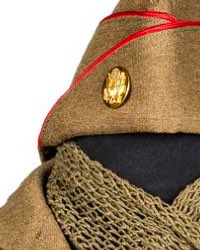
二战美军第8骑兵团艾森豪尔夹克——带金线杰出单位嘉奖 - 軍裝 - 1944
最終出價
€ 182
8 週前

二战美军第8骑兵团艾森豪尔夹克——带金线杰出单位嘉奖 - 軍裝 - 1944

Nice 100% original ike jacket of a Pvt who served with the Cavalry, 8th Cavalry Regiment, as an infantry man. This unit is famous for its combat during the battle of the Philipines, Leyte and more (see below). The ike jacket is in nicely worn condition. He earned a WW2 Victory medal, a beautiful bullion wire Distinguished Unit Citation, and a Occupation medal. The ike jacket has a beautiful age patina and is not a depot piece. he jacet also has a nice original sert of infnstrty collar discs and a beautifully originally mounted cavalry division pattch.This model ike dates round 1944. A very nice and 100% original Ike Jacket of a famous Cavalry unit that saw heavy combat during WW2! See also our other interesting WW2 items! History of the 8th Cavalry regiment After the U.S. entered World War II, the regiment arrived in Australia in 1943 and started an intense period of jungle warfare training to prepare it for combat.[15] Following the invasion of Los Negros, the 8th Regiment departed from New Guinea as the part of the reinforcements for the Admiralty Campaign. On 9 March 1944, they landed at Salami Beach, Los Negros Island. The Manus Island invasion commenced at dawn 15 March, with heavy shelling, naval bombardment and air attacks. Soon afterward, the 2nd Brigade, under the command of Brigadier General Verne D. Mudge, surprised the enemy by landing at two beaches near the Lugos Mission Plantation. By dusk the 1st Squadron of the 8th Cavalry regiment had advanced past snipers and scattered resistance and dug in on the western edge of Lorengau Airdrome, the last airfield controlled by the Japanese. 16 March saw very heavy fighting as troopers charged or crawled through heavy machine gun fire to wipe out the Japanese positions. Lorengau Airdrome was captured the next day, after the 7th Cavalry moved up to relieve the weary 8th Cavalry fighters. On 18 March, the 2nd Brigade crossed the river in force and drove the enemy from Lorengau Village. The objectives were Rossum, a small village south of Lorengau and Salsia Plantation. By 21 March, the 8th Cavalry had won control of most of the plantation, but the battle for Rossum was slowed by heavy jungle which the Japanese used to their advantage. After 96 hours of bitter combat the 1st Squadron, 7th Cavalry was relieved by the 1st Squadron, 8th Cavalry. The final push to Rossum was made behind heavy artillery fire and air bombardment. On 28 March, the battle for Los Negros and Manus was over, except for mopping up operations. The Admiralty Islands campaign officially ended on 18 May 1944. Japanese casualties were 3,317 killed. On 20 October, the regiment participated in the Leyte invasion, Operation King II. Held in corps reserve, the 8th Cavalry Regiment moved into the fighting on 23 October. The 1st Squadron, 8th Cavalry drove up a highway leading northwest of Tacloban and the 2nd Squadron advanced along the southern shore of the Sab Jaunico Strait which sealed off the route and opened the way for the invasion of Samar on 24 October. On Samar, on 5 December, the regiment was ordered to seize the town of Wright, and establish control over the southwestern portion of the island. Hinabangan fell on 7 December. The troopers fought their way into Wright on 13 December, and by 21 December, the towns of Catbalogan and Taft fell and the Campaign of Samar came to an end. On 3 February 1945, elements of the 1st Cavalry Division pushed into the northern outskirts of Manila, with only the steep-sided Tuliahan River separating them from the city proper. A squadron of the 8th Cavalry reached the bridge just moments after Japanese soldiers had finished preparing it for demolition. As the two sides opened fire on one another, the Japanese lit the fuse leading to the carefully placed explosives. Without hesitation, Lt. James P. Sutton, a Navy demolitions expert attached to the division, dashed through the enemy fire and cut the burning fuse. At 18:35, the column crossed the city limits of Manila. Troop "F" of the 8th Cavalry, under the command of Captain Emery M. Hickman, swept through the heavy Japanese sniper fire to the White House of the Philippines in time to take control of Malacañang Palace and save it from the torches of the Japanese. As the gates were opened, cheering Filipinos emerged and helped the cavalrymen set up a defense perimeter around the palace grounds. After the surrender of the Japanese, the 1st Division was given responsibility for occupying the entire city of Tokyo and the adjacent parts of Tokyo and Saitama Prefectures. The command posts of the 1st Brigade, 5th Cavalry and 12th Cavalry were situated at Camp McGill at Otawa, approximately 20 miles (32 km) south of Yokohama. The 2nd Brigade maintained its command post at the Imperial Guard Headquarters Buildings in Tokyo, while the 7th Cavalry was situated at the Merchant Marine School. The 8th Cavalry occupied the 3rd Imperial Guard Regiment Barracks in Tokyo, which provided greater proximity to security missions at the American and Russian Embassies and the Imperial Palace grounds. Division Headquarters and other units were stationed at Camp Drake near Tokyo.[16]
編號 101068600

已出售
二战美军第8骑兵团艾森豪尔夹克——带金线杰出单位嘉奖 - 軍裝 - 1944

二战美军第8骑兵团艾森豪尔夹克——带金线杰出单位嘉奖 - 軍裝 - 1944

Nice 100% original ike jacket of a Pvt who served with the Cavalry, 8th Cavalry Regiment, as an infantry man. This unit is famous for its combat during the battle of the Philipines, Leyte and more (see below). The ike jacket is in nicely worn condition. He earned a WW2 Victory medal, a beautiful bullion wire Distinguished Unit Citation, and a Occupation medal. The ike jacket has a beautiful age patina and is not a depot piece. he jacet also has a nice original sert of infnstrty collar discs and a beautifully originally mounted cavalry division pattch.This model ike dates round 1944.

A very nice and 100% original Ike Jacket of a famous Cavalry unit that saw heavy combat during WW2!

See also our other interesting WW2 items!

History of the 8th Cavalry regiment
After the U.S. entered World War II, the regiment arrived in Australia in 1943 and started an intense period of jungle warfare training to prepare it for combat.[15] Following the invasion of Los Negros, the 8th Regiment departed from New Guinea as the part of the reinforcements for the Admiralty Campaign. On 9 March 1944, they landed at Salami Beach, Los Negros Island.

The Manus Island invasion commenced at dawn 15 March, with heavy shelling, naval bombardment and air attacks. Soon afterward, the 2nd Brigade, under the command of Brigadier General Verne D. Mudge, surprised the enemy by landing at two beaches near the Lugos Mission Plantation. By dusk the 1st Squadron of the 8th Cavalry regiment had advanced past snipers and scattered resistance and dug in on the western edge of Lorengau Airdrome, the last airfield controlled by the Japanese. 16 March saw very heavy fighting as troopers charged or crawled through heavy machine gun fire to wipe out the Japanese positions. Lorengau Airdrome was captured the next day, after the 7th Cavalry moved up to relieve the weary 8th Cavalry fighters.

On 18 March, the 2nd Brigade crossed the river in force and drove the enemy from Lorengau Village. The objectives were Rossum, a small village south of Lorengau and Salsia Plantation. By 21 March, the 8th Cavalry had won control of most of the plantation, but the battle for Rossum was slowed by heavy jungle which the Japanese used to their advantage. After 96 hours of bitter combat the 1st Squadron, 7th Cavalry was relieved by the 1st Squadron, 8th Cavalry. The final push to Rossum was made behind heavy artillery fire and air bombardment. On 28 March, the battle for Los Negros and Manus was over, except for mopping up operations. The Admiralty Islands campaign officially ended on 18 May 1944. Japanese casualties were 3,317 killed.

On 20 October, the regiment participated in the Leyte invasion, Operation King II. Held in corps reserve, the 8th Cavalry Regiment moved into the fighting on 23 October. The 1st Squadron, 8th Cavalry drove up a highway leading northwest of Tacloban and the 2nd Squadron advanced along the southern shore of the Sab Jaunico Strait which sealed off the route and opened the way for the invasion of Samar on 24 October. On Samar, on 5 December, the regiment was ordered to seize the town of Wright, and establish control over the southwestern portion of the island. Hinabangan fell on 7 December. The troopers fought their way into Wright on 13 December, and by 21 December, the towns of Catbalogan and Taft fell and the Campaign of Samar came to an end.

On 3 February 1945, elements of the 1st Cavalry Division pushed into the northern outskirts of Manila, with only the steep-sided Tuliahan River separating them from the city proper. A squadron of the 8th Cavalry reached the bridge just moments after Japanese soldiers had finished preparing it for demolition. As the two sides opened fire on one another, the Japanese lit the fuse leading to the carefully placed explosives. Without hesitation, Lt. James P. Sutton, a Navy demolitions expert attached to the division, dashed through the enemy fire and cut the burning fuse. At 18:35, the column crossed the city limits of Manila. Troop "F" of the 8th Cavalry, under the command of Captain Emery M. Hickman, swept through the heavy Japanese sniper fire to the White House of the Philippines in time to take control of Malacañang Palace and save it from the torches of the Japanese. As the gates were opened, cheering Filipinos emerged and helped the cavalrymen set up a defense perimeter around the palace grounds.

After the surrender of the Japanese, the 1st Division was given responsibility for occupying the entire city of Tokyo and the adjacent parts of Tokyo and Saitama Prefectures. The command posts of the 1st Brigade, 5th Cavalry and 12th Cavalry were situated at Camp McGill at Otawa, approximately 20 miles (32 km) south of Yokohama. The 2nd Brigade maintained its command post at the Imperial Guard Headquarters Buildings in Tokyo, while the 7th Cavalry was situated at the Merchant Marine School. The 8th Cavalry occupied the 3rd Imperial Guard Regiment Barracks in Tokyo, which provided greater proximity to security missions at the American and Russian Embassies and the Imperial Palace grounds. Division Headquarters and other units were stationed at Camp Drake near Tokyo.[16]

最終出價
€ 182
Marcel van Hulst
專家
估價  € 210 - € 250

類似物品

中的精彩好物

歷史紀念品

設置搜索提醒
設置搜索提醒,以便在有新匹配可用時收到通知。

該物品在


如何在Catawiki上購買

了解更多有關買家保護

      1. 發現獨特物品

      瀏覽專家挑選的數千件獨特物品。查看每件獨特物品的照片、詳情和估價。 

      2. 出價最高

      找到您喜歡的物品並作出最高的出價。您可以跟隨拍賣進行到底,也可以讓我們的系統為您出價。您所要做的就是為您要支付的最高金額設置出價。 

      3. 作出安全可靠的付款

      為您的獨特物品付款,我們將在您的物品安全無恙抵達前,確保您的付款安全。我們使用受信任的支付系統來處理所有交易。 

有類近的物品可以出售?

無論您是網上拍賣的新手還是專業銷售人員,我們都可以幫助您為您的獨特物品賺取更多收益。

出售您的物品