
編號 101222790

無法使用
羅馬共和國. AE Aes Grave. Uncia 3rd Century B.C
競投已結束
4 週前

羅馬共和國. AE Aes Grave. Uncia 3rd Century B.C

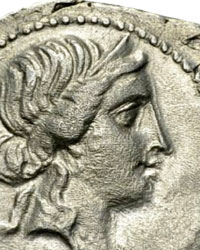
RULER: AE AES Grave DATE: 3rd Century B.C DENOMINATION: Uncia MATERIAL: Bronze, AE SIZE & WEIGHT: 30 mm x 29 mm, 30 gr OBVERSE: Knucklebone REVERSE: Knucklebone Comes with Certificate of Authenticity The Aes Grave Uncia represents a fascinating evolutionary step in early Roman currency, dating back to the 3rd century BCE. Unlike the struck silver coins of later periods, these were heavy, cast bronze pieces that relied on their physical weight—based on the Libral standard—to establish value. The "Uncia" was a fractional unit representing one-twelfth of a Roman As. These coins are characterized by their rugged, primitive aesthetic and substantial feel in the hand, serving as a reminder of a time when Rome was still a rising Italian power transitioning from a system of raw metal chunks to standardized, circular currency. One of the most iconic and sought-after varieties of this denomination features the knucklebone (or astragalus) as its primary motif. In the ancient world, knucklebones were not merely anatomical remnants but were deeply symbolic, used widely in games of chance and for divination. On the Uncia, the knucklebone is typically rendered in high relief on both the obverse and reverse, often accompanied by a single globule or "pellet" to denote its value as one unit. The choice of the astragalus reflects the everyday cultural fabric of the Roman Republic, blending the mundane world of leisure and gaming with the formal requirements of trade and state-issued money. The casting process used to create these coins resulted in unique, organic textures that are highly prized by collectors today. Because they were poured into clay molds rather than struck with dies, no two specimens are exactly alike; many still retain the "sprue" marks where the molten bronze entered the mold. These heavy bronze pieces eventually gave way to smaller, more practical struck coinage as Rome's economy expanded across the Mediterranean, but the Knucklebone Uncia remains a definitive artifact of the Republic’s early economic identity—a literal and metaphorical heavyweight of ancient numismatics.
編號 101222790

無法使用
羅馬共和國. AE Aes Grave. Uncia 3rd Century B.C

羅馬共和國. AE Aes Grave. Uncia 3rd Century B.C

RULER: AE AES Grave
DATE: 3rd Century B.C
DENOMINATION: Uncia
MATERIAL: Bronze, AE
SIZE & WEIGHT: 30 mm x 29 mm, 30 gr
OBVERSE: Knucklebone
REVERSE: Knucklebone

Comes with Certificate of Authenticity

The Aes Grave Uncia represents a fascinating evolutionary step in early Roman currency, dating back to the 3rd century BCE. Unlike the struck silver coins of later periods, these were heavy, cast bronze pieces that relied on their physical weight—based on the Libral standard—to establish value. The "Uncia" was a fractional unit representing one-twelfth of a Roman As. These coins are characterized by their rugged, primitive aesthetic and substantial feel in the hand, serving as a reminder of a time when Rome was still a rising Italian power transitioning from a system of raw metal chunks to standardized, circular currency.

One of the most iconic and sought-after varieties of this denomination features the knucklebone (or astragalus) as its primary motif. In the ancient world, knucklebones were not merely anatomical remnants but were deeply symbolic, used widely in games of chance and for divination. On the Uncia, the knucklebone is typically rendered in high relief on both the obverse and reverse, often accompanied by a single globule or "pellet" to denote its value as one unit. The choice of the astragalus reflects the everyday cultural fabric of the Roman Republic, blending the mundane world of leisure and gaming with the formal requirements of trade and state-issued money.

The casting process used to create these coins resulted in unique, organic textures that are highly prized by collectors today. Because they were poured into clay molds rather than struck with dies, no two specimens are exactly alike; many still retain the "sprue" marks where the molten bronze entered the mold. These heavy bronze pieces eventually gave way to smaller, more practical struck coinage as Rome's economy expanded across the Mediterranean, but the Knucklebone Uncia remains a definitive artifact of the Republic’s early economic identity—a literal and metaphorical heavyweight of ancient numismatics.

競投已結束
Carmen Vera Gutiérrez
專家
估價  € 350 - € 400

類似物品

中的精彩好物

古代錢幣

設置搜索提醒
設置搜索提醒,以便在有新匹配可用時收到通知。

該物品在


如何在Catawiki上購買

了解更多有關買家保護

      1. 發現獨特物品

      瀏覽專家挑選的數千件獨特物品。查看每件獨特物品的照片、詳情和估價。 

      2. 出價最高

      找到您喜歡的物品並作出最高的出價。您可以跟隨拍賣進行到底,也可以讓我們的系統為您出價。您所要做的就是為您要支付的最高金額設置出價。 

      3. 作出安全可靠的付款

      為您的獨特物品付款,我們將在您的物品安全無恙抵達前,確保您的付款安全。我們使用受信任的支付系統來處理所有交易。 

有類近的物品可以出售?

無論您是網上拍賣的新手還是專業銷售人員,我們都可以幫助您為您的獨特物品賺取更多收益。

出售您的物品