
編號 102088932

無法使用
羅馬帝國. 狄奧多西二世 (AD 402-450). Solidus Constantinople
競投已結束
3 天前

羅馬帝國. 狄奧多西二世 (AD 402-450). Solidus Constantinople

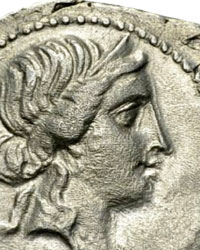
Very high quality ! Roman Imperial Theodosius II, AD 402–450. AV Solidus (21 mm, 4.46 g). Constantinople mint, AD 430–440. Obv. D N THEODO-SIVS P F AVG. Helmeted, pearl-diademed and cuirassed bust of Theodosius II facing, his head turned slightly to right, holding a spear over his shoulder in his right hand and bearing a shield on his left, the latter decorated with a horseman spearing a fallen foe. Rev. VOT XXX MVLT XXXX I / CONOB. Constantinopolis seated left on a throne, her left foot upon the prow of a ship, holding a globus cruciger in her right hand and a long sceptre in her left; shield at her side; in field to right, star. Refs. Depeyrot 81/1; RIC X Constantinople 257. A beautiful example of late Roman imperial artistry. This superb solidus, struck at Constantinople during the middle decades of Theodosius II's reign, belongs to one of the most refined and visually unified series of late Roman gold coinage. The obverse portrait follows the classic imperial consular type perfected under Theodosius' predecessors: the emperor depicted as the vigilant imperator Christianus, encased in armour, crowned with the pearl diadem, and bearing the symbols of military and divine authority. The decoration of the shield-showing a mounted horseman spearing a fallen enemy-is a recurring martial emblem, derived from Constantinian prototypes, that signified victory over barbarism and the eternal protection of the empire's frontiers. The reverse, with Constantinopolis enthroned, encapsulates the ideological heart of the Theodosian dynasty. She sits in quiet majesty, resting upon a ship's prow-a deliberate symbol of the city's maritime foundation and its destiny as guardian of the Eastern Mediterranean world. In her right hand she bears the globus cruciger, representing dominion under the Cross; in her left, the sceptre of authority. The Vota inscription (VOT XXX MVLT XXXX) commemorates vows for the emperor's thirtieth anniversary and prayers for his fortieth, conveying a sense of dynastic continuity and divine favour. The small star in the field is a celestial emblem of providence, underscoring the heavenly sanction of Theodosius' rule. The mint of Constantinople, by this time the empire's principal workshop for gold issues, had achieved remarkable technical precision and stylistic cohesion. Its engravers worked in an idiom that combined late classical refinement with new Christian iconography-producing coins that were at once political documents and miniature works of sacred art. The balanced symmetry of the design, the fluid drapery, and the finely rendered features of the emperor reveal the quiet elegance characteristic of early fifth-century imperial production. Under Theodosius II, the empire experienced a long period of relative peace and administrative stability, centred on the consolidation of Christian orthodoxy, the codification of Roman law (Codex Theodosianus, 438), and the monumental expansion of Constantinople, including the building of its massive land walls that still bear his name. This coin thus stands not only as an instrument of imperial finance but as a luminous testament to the confidence, order, and theological vision of the Theodosian age-a golden empire sustained by faith and law as much as by arms.
編號 102088932

無法使用
羅馬帝國. 狄奧多西二世 (AD 402-450). Solidus Constantinople

羅馬帝國. 狄奧多西二世 (AD 402-450). Solidus Constantinople

Very high quality !

Roman Imperial
Theodosius II, AD 402–450. AV Solidus (21 mm, 4.46 g). Constantinople mint, AD 430–440.
Obv. D N THEODO-SIVS P F AVG. Helmeted, pearl-diademed and cuirassed bust of Theodosius II facing, his head turned slightly to right, holding a spear over his shoulder in his right hand and bearing a shield on his left, the latter decorated with a horseman spearing a fallen foe.
Rev. VOT XXX MVLT XXXX I / CONOB. Constantinopolis seated left on a throne, her left foot upon the prow of a ship, holding a globus cruciger in her right hand and a long sceptre in her left; shield at her side; in field to right, star.
Refs. Depeyrot 81/1; RIC X Constantinople 257.
A beautiful example of late Roman imperial artistry.

This superb solidus, struck at Constantinople during the middle decades of Theodosius II's reign, belongs to one of the most refined and visually unified series of late Roman gold coinage. The obverse portrait follows the classic imperial consular type perfected under Theodosius' predecessors: the emperor depicted as the vigilant imperator Christianus, encased in armour, crowned with the pearl diadem, and bearing the symbols of military and divine authority. The decoration of the shield-showing a mounted horseman spearing a fallen enemy-is a recurring martial emblem, derived from Constantinian prototypes, that signified victory over barbarism and the eternal protection of the empire's frontiers.
The reverse, with Constantinopolis enthroned, encapsulates the ideological heart of the Theodosian dynasty. She sits in quiet majesty, resting upon a ship's prow-a deliberate symbol of the city's maritime foundation and its destiny as guardian of the Eastern Mediterranean world. In her right hand she bears the globus cruciger, representing dominion under the Cross; in her left, the sceptre of authority. The Vota inscription (VOT XXX MVLT XXXX) commemorates vows for the emperor's thirtieth anniversary and prayers for his fortieth, conveying a sense of dynastic continuity and divine favour. The small star in the field is a celestial emblem of providence, underscoring the heavenly sanction of Theodosius' rule.
The mint of Constantinople, by this time the empire's principal workshop for gold issues, had achieved remarkable technical precision and stylistic cohesion. Its engravers worked in an idiom that combined late classical refinement with new Christian iconography-producing coins that were at once political documents and miniature works of sacred art. The balanced symmetry of the design, the fluid drapery, and the finely rendered features of the emperor reveal the quiet elegance characteristic of early fifth-century imperial production.
Under Theodosius II, the empire experienced a long period of relative peace and administrative stability, centred on the consolidation of Christian orthodoxy, the codification of Roman law (Codex Theodosianus, 438), and the monumental expansion of Constantinople, including the building of its massive land walls that still bear his name. This coin thus stands not only as an instrument of imperial finance but as a luminous testament to the confidence, order, and theological vision of the Theodosian age-a golden empire sustained by faith and law as much as by arms.


競投已結束
Carmen Vera Gutiérrez
專家
估價  € 1,700 - € 1,900

類似物品

中的精彩好物

古代錢幣

設置搜索提醒
設置搜索提醒,以便在有新匹配可用時收到通知。

該物品在


如何在Catawiki上購買

了解更多有關買家保護

      1. 發現獨特物品

      瀏覽專家挑選的數千件獨特物品。查看每件獨特物品的照片、詳情和估價。 

      2. 出價最高

      找到您喜歡的物品並作出最高的出價。您可以跟隨拍賣進行到底,也可以讓我們的系統為您出價。您所要做的就是為您要支付的最高金額設置出價。 

      3. 作出安全可靠的付款

      為您的獨特物品付款,我們將在您的物品安全無恙抵達前,確保您的付款安全。我們使用受信任的支付系統來處理所有交易。 

有類近的物品可以出售?

無論您是網上拍賣的新手還是專業銷售人員,我們都可以幫助您為您的獨特物品賺取更多收益。

出售您的物品