Αρ. 100363526

Αρ. 100363526
Anatolian carpets — like the one in your picture — are a fascinating part of Turkish cultural history and are among the oldest and most artistic carpet traditions in the world.
What is an Anatolian rug?
Anatolia (today's Central and Eastern Anatolia in Turkey) has been a significant center of carpet making for centuries. The carpets from this region are known for:
Hand-knotted quality
Natural materials such as wool, cotton, or sometimes silk.
Plant-dyed wool, which ensures rich, long-lasting colors.
Traditional patterns and symbolism — often associated with religious, protective, or spiritual backgrounds.
Regional styles within Anatolia
Hereke: Especially fine, often with silk; originally for the Ottoman court.
Konya: Geometric, clear patterns; vivid colors.
Bergama: rustic style, large geometric shapes.
Yörük (Nomads): Free, often improvisational patterns, lively and unique.
Ladik and Milas: Known for their prayer rugs with Mihrab motifs.
Typical motifs and meanings
Elibelinde (female figure): symbol of fertility
Widderhorn: strength, masculinity
Tree of Life: connection between heaven and earth
Nazarlık (blue eye): protection against evil looks.
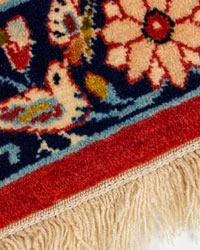
Regarding the carpet in your picture
The carpet displays classic features of a Kazak or Karachoph style, often associated with the South Caucasus or Northeast Anatolia, but also woven in Anatolia. The bold, octagonal medallions and the deep red hue are typical. The pattern appears very archaic and powerful – a true piece of folk art.
Name of the carpet: Anatolian carpets.
Manufacture: Hand-knotted
Model: Classic
Condition: see images
Age: approximately 100 years
Thickness: 8 mm
Πώς να πραγματοποιήσετε αγορές στην Catawiki
1. Ανακαλύψτε κάτι ιδιαίτερο
2. Υποβάλετε την κορυφαία προσφορά
3. Πληρώστε με ασφάλεια