Αρ. 102455917

Δεν είναι πλέον διαθέσιμο
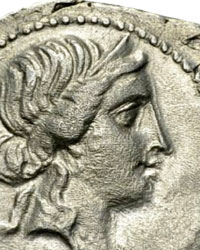
Ionia, Uncertain 1/24 Stater circa 650-600 BC
Οι προσφορές έκλεισαν
πριν 9 εβδομάδες

Ionia, Uncertain 1/24 Stater circa 650-600 BC

Uncertain City. Ca. 550-500 BC. 1/24 electrum gold stater (0.66 g). Head and foreleg of Ram or Ibex right / Irregular incuse. Cf. BMC Ionia p. 15, 71 (hecte of same design). Cf. Münzen & Medaillen, Basel 72 (1987), lot 102 (Rosen collection) (1/24th stater from same dies). Areas of roughness, otherwise Good Very Fine. Electrum=elektron is een alloy of mainly gold and silver used for the first coins. Other than the literary tradition ascribing the origin of coinage to the kings of Lydia, there is little evidence for a more exact chronology of early Greek coinage. The tradition, buttressed by limited archaeological studies, does confirm Asia Minor as the place of origin, most likely Lydia or Ionia, and a date somewhere around 650-625 BC. The alloy used, a mixture of gold and silver known to the Greeks as elektron was based on the natural ore found in nugget form in many riverbeds in the region. The earliest coins were of a globular shape and without design in imitation of this natural form; later, simple striated and punched patterns of squares, rectangles, and swastikas were included. The earliest true types may have developed from the use of personal seals, the most widely known being the stater of Ephesos with a stag bearing the inscription “I am a seal of Phanes”. These devices later took on the characteristics of civic symbols, although it would be dangerous to link a specific symbol to a particular city in this early period. The most secure form of classification has been by weight standard, based on two major, and several lesser-used, standards. The Milesian standard, with a stater of roughly 14 grams, saw circulation in Lydia and parts of Ionia. The Phokaic standard of roughly 16 grams was also used in Ionia as well as Mysia. Persic, Aeginetan, and Euboic standards saw scattered use in early coinage, limited in time and extent of circulation. The intrinsic value of the early electrum, even down to the 1/96 stater, was too high for use in everyday commerce, and early coinage must have been used only for the transfer of large sums of money, such as mercantile transactions, payment of government expenses (mercenaries, tribute and such), and donatives, either for services rendered to individuals or the state, or to religious foundations. The Artemision deposits, hoards of early electrum found at the site of the temple of Artemis at Ephesos, are examples of the latter.

Αρ. 102455917

Δεν είναι πλέον διαθέσιμο
Ionia, Uncertain 1/24 Stater circa 650-600 BC

Ionia, Uncertain 1/24 Stater circa 650-600 BC

Uncertain City. Ca. 550-500 BC. 1/24 electrum gold stater (0.66 g). Head and foreleg of Ram or Ibex right / Irregular incuse. Cf. BMC Ionia p. 15, 71 (hecte of same design). Cf. Münzen & Medaillen, Basel 72 (1987), lot 102 (Rosen collection) (1/24th stater from same dies). Areas of roughness, otherwise Good Very Fine.

Electrum=elektron is een alloy of mainly gold and silver used for the first coins.

Other than the literary tradition ascribing the origin of coinage to the kings of Lydia, there is little evidence for a more exact chronology of early Greek coinage. The tradition, buttressed by limited archaeological studies, does confirm Asia Minor as the place of origin, most likely Lydia or Ionia, and a date somewhere around 650-625 BC. The alloy used, a mixture of gold and silver known to the Greeks as elektron was based on the natural ore found in nugget form in many riverbeds in the region. The earliest coins were of a globular shape and without design in imitation of this natural form; later, simple striated and punched patterns of squares, rectangles, and swastikas were included. The earliest true types may have developed from the use of personal seals, the most widely known being the stater of Ephesos with a stag bearing the inscription “I am a seal of Phanes”. These devices later took on the characteristics of civic symbols, although it would be dangerous to link a specific symbol to a particular city in this early period. The most secure form of classification has been by weight standard, based on two major, and several lesser-used, standards. The Milesian standard, with a stater of roughly 14 grams, saw circulation in Lydia and parts of Ionia. The Phokaic standard of roughly 16 grams was also used in Ionia as well as Mysia. Persic, Aeginetan, and Euboic standards saw scattered use in early coinage, limited in time and extent of circulation. The intrinsic value of the early electrum, even down to the 1/96 stater, was too high for use in everyday commerce, and early coinage must have been used only for the transfer of large sums of money, such as mercantile transactions, payment of government expenses (mercenaries, tribute and such), and donatives, either for services rendered to individuals or the state, or to religious foundations. The Artemision deposits, hoards of early electrum found at the site of the temple of Artemis at Ephesos, are examples of the latter.

Οι προσφορές έκλεισαν
Carmen Vera Gutiérrez
Ειδικός
Εκτιμήστε  € 450 - € 500

Παρόμοια αντικείμενα

Προτείνεται για εσάς στην

Αρχαία νομίσματα

Ορίστε μια ειδοποίηση αναζήτησης
Ορίστε μια ειδοποίηση αναζήτησης για να λαμβάνετε ειδοποιήσεις όταν είναι διαθέσιμα νέα αποτελέσματα.

Αυτό το αντικείμενο παρουσιάστηκε στο


Πώς να πραγματοποιήσετε αγορές στην Catawiki

Μάθετε περισσότερα σχετικά με την Προστασία Αγοραστή

      1. Ανακαλύψτε κάτι ιδιαίτερο

      Εξερευνήστε χιλιάδες ιδιαίτερα αντικείμενα, επιλεγμένα από ειδικούς. Δείτε τις φωτογραφίες, τις λεπτομέρειες και την εκτιμώμενη αξία κάθε ιδιαίτερου αντικειμένου. 

      2. Υποβάλετε την κορυφαία προσφορά

      Βρείτε κάτι που σας αρέσει και υποβάλετε την κορυφαία προσφορά. Μπορείτε να παρακολουθήσετε τη δημοπρασία μέχρι το τέλος ή να αφήσετε το σύστημά μας να υποβάλει την προσφορά για εσάς. Το μόνο που έχετε να κάνετε είναι να ορίσετε μια προσφορά για το μέγιστο ποσό που θέλετε να πληρώσετε. 

      3. Πληρώστε με ασφάλεια

      Πληρώστε για το ιδιαίτερο αντικείμενό σας και εμείς θα διατηρήσουμε την πληρωμή σας ασφαλή, μέχρι το αντικείμενο να φτάσει στα χέρια σας. Χρησιμοποιούμε ένα αξιόπιστο σύστημα πληρωμών για τη διαχείριση όλων των συναλλαγών. 

Έχετε κάτι παρόμοιο προς πώληση;

Είτε είστε νέοι στις διαδικτυακές δημοπρασίες είτε πουλάτε επαγγελματικά, μπορούμε να σας βοηθήσουμε να κερδίσετε περισσότερα για τα ιδιαίτερα αντικείμενά σας.

Πουλήστε το αντικείμενό σας