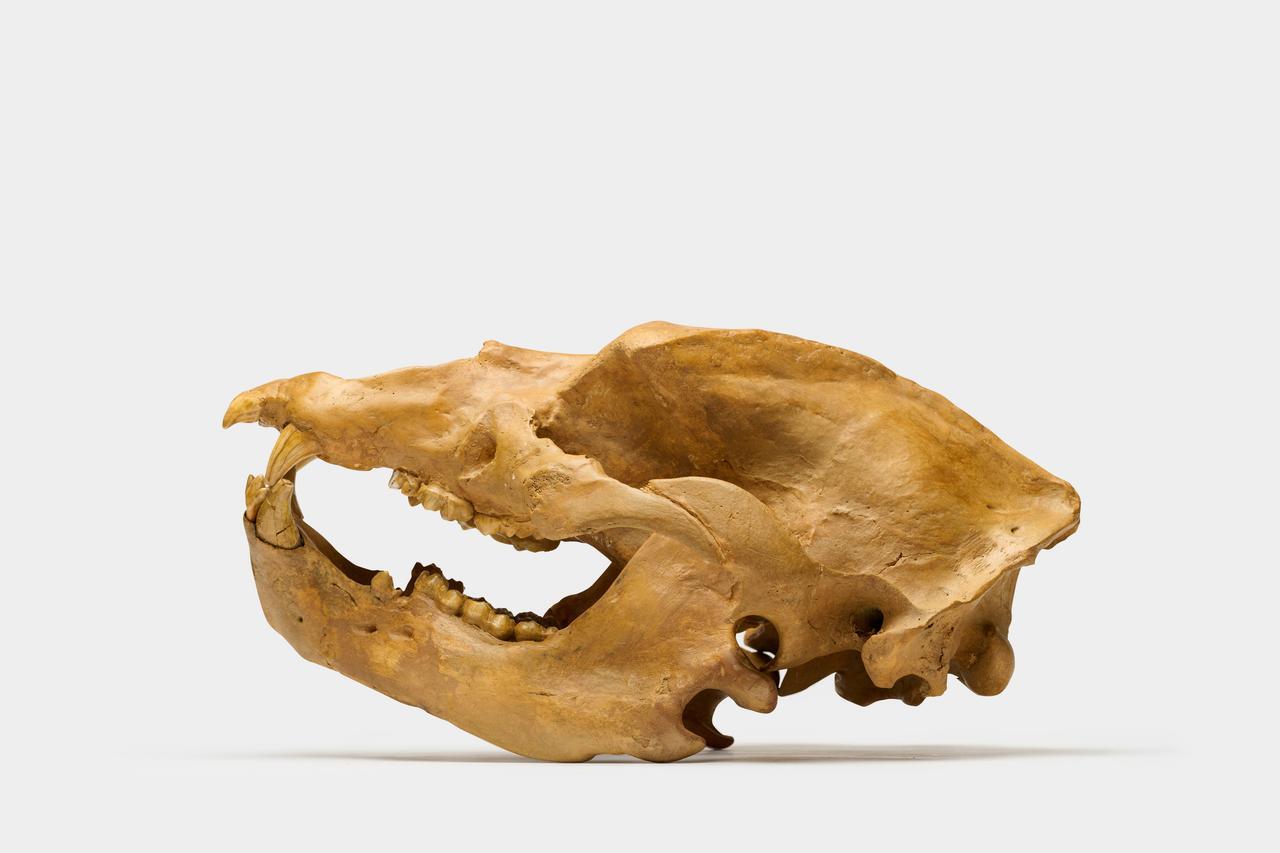
Mosasaur - Απολιθωμένο δόντι - 10 cm (χωρίς τιμή ασφαλείας)


Προστασία Αγοραστή Catawiki
Η πληρωμή σας είναι ασφαλής μαζί μας μέχρι να παραλάβετε το αντικείμενό σας.Προβολή λεπτομερειών
Trustpilot 4.4 | 133188 κριτικών
Βαθμολογήθηκε με Άριστα στο Trustpilot.
Χημικό όνομα: Mosasaurus; Δείγμα: Mosasauro; Γεωλογική περίοδος: Κρητιδικός (145–66 εκ. ετών); Κατάσταση: Αναστηλωμένο; Αυθεντικότητα: Originale/officiale; Ύψος: 10 cm; Προέλευση: Μαρόκο.
Περιγραφή από τον πωλητή
Όμορφο δόντι Mosasaurus από το Μαρόκο, featuring a well-preserved root and part of the mandibular bone. The bone has been partially restored, but the natural porosity is still clearly visible. The tooth is completely natural and notably large, making it an impressive specimen. It was discovered in the northwestern Sahara region.
This Cretaceous marine reptile was one of the largest predators of its time. Mosasaurus was among the last mosasaurs and also one of the largest. Like most mosasaurs, its limbs had evolved into short but efficient flippers, with the front flippers larger than the rear ones. The largest known species, Mosasaurus hoffmannii, could reach lengths of 17–18 meters (56 feet), slightly longer than close relatives such as Tylosaurus and Hainosaurus.
Mosasaurus was also one of the most robust mosasaurs, with large individuals estimated to weigh between 25 and 30 tons. Its body was long, thick, and barrel-shaped, with a massive skull and a powerful jaw tightly connected to the cranium. The eyes were relatively large but likely provided limited binocular vision, and the olfactory bulbs were not well developed, suggesting it lived primarily near the water’s surface.
Όμορφο δόντι Mosasaurus από το Μαρόκο, featuring a well-preserved root and part of the mandibular bone. The bone has been partially restored, but the natural porosity is still clearly visible. The tooth is completely natural and notably large, making it an impressive specimen. It was discovered in the northwestern Sahara region.
This Cretaceous marine reptile was one of the largest predators of its time. Mosasaurus was among the last mosasaurs and also one of the largest. Like most mosasaurs, its limbs had evolved into short but efficient flippers, with the front flippers larger than the rear ones. The largest known species, Mosasaurus hoffmannii, could reach lengths of 17–18 meters (56 feet), slightly longer than close relatives such as Tylosaurus and Hainosaurus.
Mosasaurus was also one of the most robust mosasaurs, with large individuals estimated to weigh between 25 and 30 tons. Its body was long, thick, and barrel-shaped, with a massive skull and a powerful jaw tightly connected to the cranium. The eyes were relatively large but likely provided limited binocular vision, and the olfactory bulbs were not well developed, suggesting it lived primarily near the water’s surface.