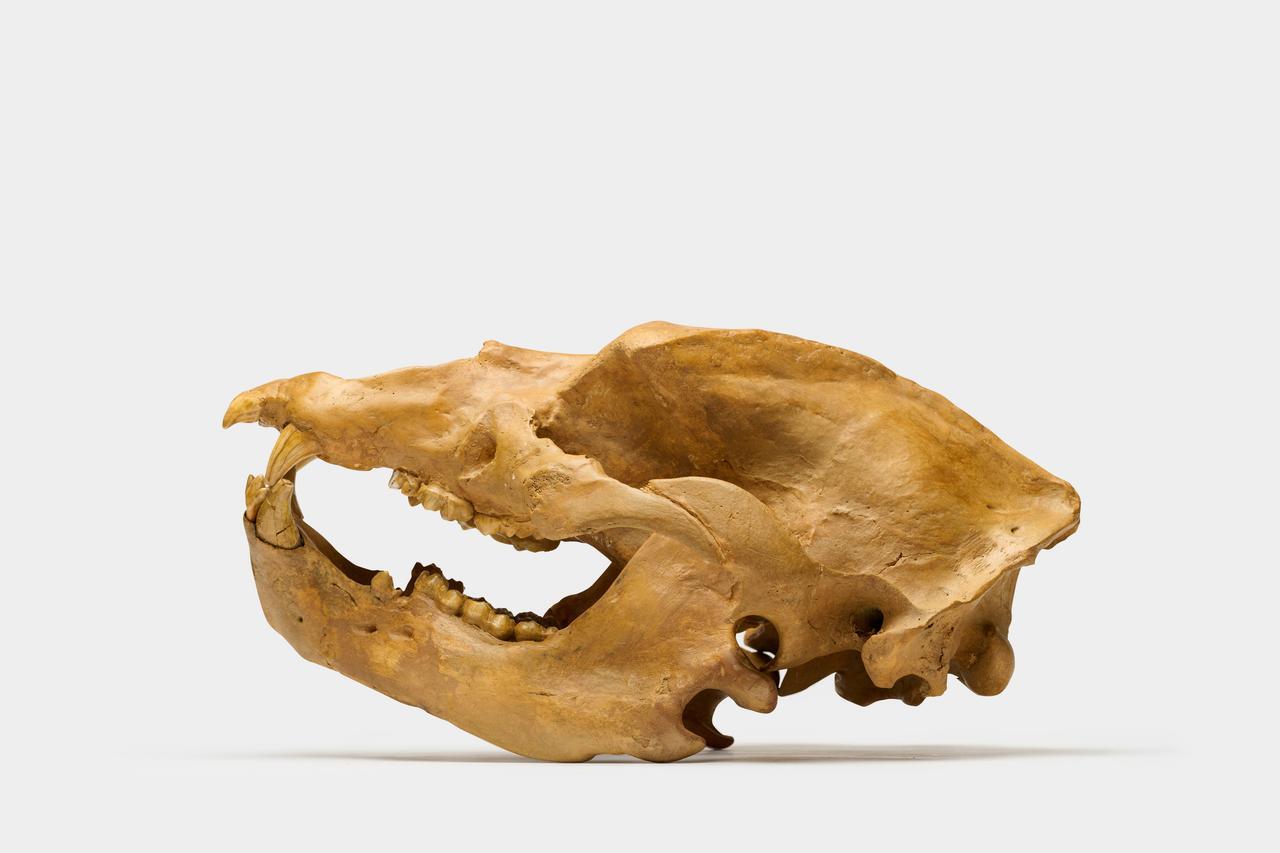
Orthoceras - Απολιθωμένο ζώο - 29 cm - 18 cm (χωρίς τιμή ασφαλείας)


03
ημέρες
22
ώρες
32
λεπτά
35
δευτερόλεπτα
Τρέχουσα προσφορά
€ 1
χωρίς τιμή ασφαλείας

4 άλλα άτομα παρακολουθούν αυτό το αντικείμενο
 | 1 € |
|---|
Προστασία Αγοραστή Catawiki
Η πληρωμή σας είναι ασφαλής μαζί μας μέχρι να παραλάβετε το αντικείμενό σας.Προβολή λεπτομερειών
Trustpilot 4.4 | 133456 κριτικών
Βαθμολογήθηκε με Άριστα στο Trustpilot.
Orthoceras δείγμα από το Μαρόκο, περίοδος Ορδοβίκιος, λουσάρισμα, σε φυσική κατάσταση, αυθεντικό Original, βάρος 3,3 kg, ύψος 29 cm, πλάτος 18 cm, με μεταλλικό σταντ.
Περίληψη με τη βοήθεια τεχνητής νοημοσύνης
Περιγραφή από τον πωλητή
Όμορφη πλάκα με διάφορα δείγματα Orthoceras από το Μαρόκο. Αυτά τα αρχαία θαλάσσια ζωικά were among the earliest life forms to inhabit the planet. Discovered in the northwestern Sahara.
Orthoceras are extinct cephalopod mollusks belonging to a long-lost group. These marine creatures lived in the oceans hundreds of millions of years ago, primarily during the Ordovician and Silurian periods. Their name, meaning “straight horn” in Greek, refers to the distinctive elongated, conical shape of their shells. The shell was divided into chambers separated by septa and connected by a central siphuncle.
The Orthoceras shell is their most characteristic feature. It was composed of aragonite, a mineral also found in the shells of many modern mollusks. Over time, through geological processes such as sedimentation and mineralization, these shells fossilized, forming the specimens we admire today.
Orthoceras fossils are valuable witnesses to ancient marine life. Their study allows scientists to reconstruct prehistoric ecosystems, understand species evolution, and gain insight into the major changes that have shaped Earth’s history.
-- metal display stand included
Όμορφη πλάκα με διάφορα δείγματα Orthoceras από το Μαρόκο. Αυτά τα αρχαία θαλάσσια ζωικά were among the earliest life forms to inhabit the planet. Discovered in the northwestern Sahara.
Orthoceras are extinct cephalopod mollusks belonging to a long-lost group. These marine creatures lived in the oceans hundreds of millions of years ago, primarily during the Ordovician and Silurian periods. Their name, meaning “straight horn” in Greek, refers to the distinctive elongated, conical shape of their shells. The shell was divided into chambers separated by septa and connected by a central siphuncle.
The Orthoceras shell is their most characteristic feature. It was composed of aragonite, a mineral also found in the shells of many modern mollusks. Over time, through geological processes such as sedimentation and mineralization, these shells fossilized, forming the specimens we admire today.
Orthoceras fossils are valuable witnesses to ancient marine life. Their study allows scientists to reconstruct prehistoric ecosystems, understand species evolution, and gain insight into the major changes that have shaped Earth’s history.
-- metal display stand included
Λεπτομέρειες
Είδος
Orthoceras
Χώρα
Μαρόκο
Geological period
Ορδοβίκια περίοδος (485,4 - 443,8 εκατομμύρια χρόνια)
Κατάσταση
Φυσικό
Θεραπεία
Polished
Βάρος
3.3 kg
Height
29 cm
Width
18 cm
Γνησιότητα
Αυθεντικό/επίσημο
Πωλήθηκε από τον/-ην