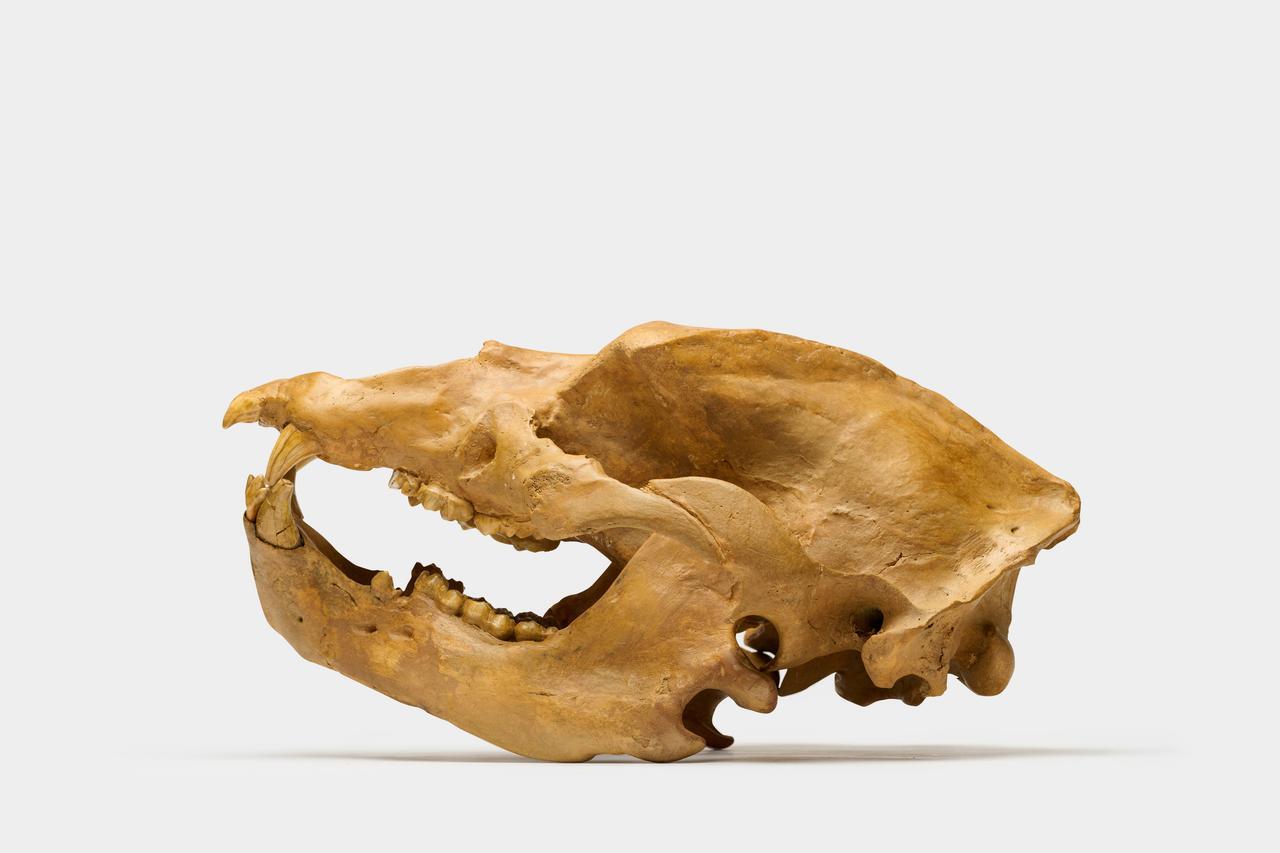
Mosasaur - Απολιθωμένο ζώο - Mosasaur jaw from Morocco - 12 cm (χωρίς τιμή ασφαλείας)


04
ημέρες
20
ώρες
26
λεπτά
26
δευτερόλεπτα
Εναρκτήρια προσφορά
€ 1
χωρίς τιμή ασφαλείας

Δεν υποβλήθηκαν προσφορές
Προστασία Αγοραστή Catawiki
Η πληρωμή σας είναι ασφαλής μαζί μας μέχρι να παραλάβετε το αντικείμενό σας.Προβολή λεπτομερειών
Trustpilot 4.4 | 139520 κριτικών
Βαθμολογήθηκε με Άριστα στο Trustpilot.
Άνω και κάτω σιαγόνα μωσαουσάουρου από το Μαρόκο, περίοδος Κρητιδική (145–66 εκατ. έτη), δείγμα Mosasauro, ύψος 12 cm, κατάσταση αποκαταστημένη, γνησιότητα Original/Επίσημη.
Περίληψη με τη βοήθεια τεχνητής νοημοσύνης
Περιγραφή από τον πωλητή
Όμορφη σιαγόνα Mosasaurus από το Μαρόκο, με δόντια με ρίζες και μέρος του κάτω γνάθου. Το οστό έχει parcialmente αποκατασταθεί, αλλά η φυσική πορώτητα του απολιθώματος είναι ακόμαClearly visible. It was discovered in the phosphate deposits of Khouribga. This Cretaceous marine reptile was one of the largest ocean predators of its time.
Mosasaurus was among the last mosasaurs and also one of the largest. Like most mosasaurs, its limbs had evolved into short but efficient flippers, with the front flippers larger than the rear ones. The largest known species, Mosasaurus hoffmannii, could reach lengths of 17–18 meters (56 feet), slightly longer than close relatives such as Tylosaurus and Hainosaurus. It was also one of the most robust mosasaurs, with some of the largest individuals estimated to weigh between 25 and 30 tons. Its body was long, thick, and barrel-shaped, with a massive skull and a powerful, tightly connected jaw. The eyes were relatively large but likely provided limited binocular vision, and the olfactory bulbs were not well developed, leading experts to believe that Mosasaurus lived primarily near the water’s surface.
Όμορφη σιαγόνα Mosasaurus από το Μαρόκο, με δόντια με ρίζες και μέρος του κάτω γνάθου. Το οστό έχει parcialmente αποκατασταθεί, αλλά η φυσική πορώτητα του απολιθώματος είναι ακόμαClearly visible. It was discovered in the phosphate deposits of Khouribga. This Cretaceous marine reptile was one of the largest ocean predators of its time.
Mosasaurus was among the last mosasaurs and also one of the largest. Like most mosasaurs, its limbs had evolved into short but efficient flippers, with the front flippers larger than the rear ones. The largest known species, Mosasaurus hoffmannii, could reach lengths of 17–18 meters (56 feet), slightly longer than close relatives such as Tylosaurus and Hainosaurus. It was also one of the most robust mosasaurs, with some of the largest individuals estimated to weigh between 25 and 30 tons. Its body was long, thick, and barrel-shaped, with a massive skull and a powerful, tightly connected jaw. The eyes were relatively large but likely provided limited binocular vision, and the olfactory bulbs were not well developed, leading experts to believe that Mosasaurus lived primarily near the water’s surface.
Λεπτομέρειες
Είδος
Mosasaur
Επιστημονικό όνομα
Mosasaur jaw from Morocco
Χώρα
Μαρόκο
Geological period
Κρητιδική περίοδος (145 - 66 εκατομμύρια χρόνια)
Κατάσταση
Επιδιορθωμένη
Height
12 cm
Γνησιότητα
Αυθεντικό/επίσημο
Πωλήθηκε από τον/-ην