Αρ. 107043438

Δεν είναι πλέον διαθέσιμο
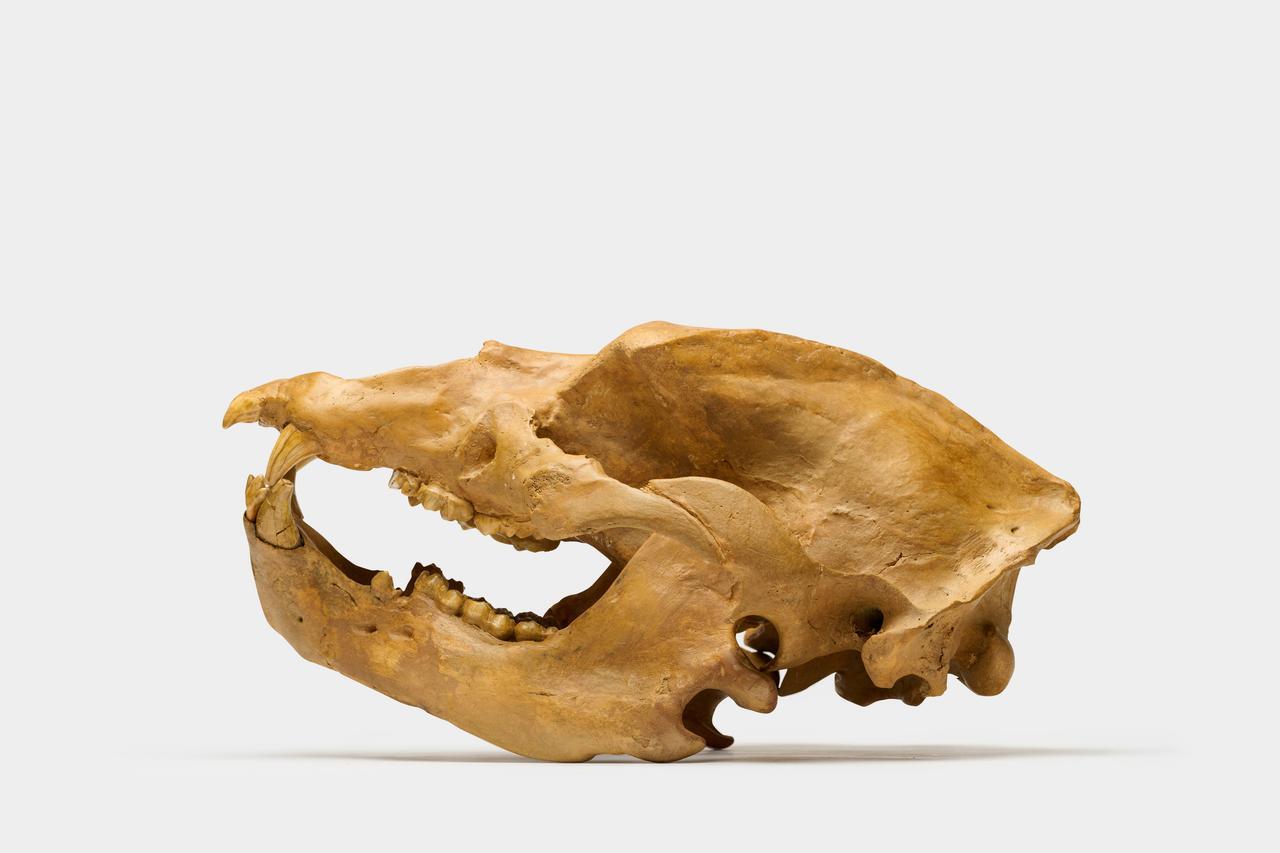
Εξαιρετικό, τεράστιο Basilosaurid cf Pappocetus (Πρόγονος της φάλαινας) ριζωμένος κυνόδοντας - Απολιθωμένο δόντι
Οι προσφορές έκλεισαν
πριν 2 ώρες

Εξαιρετικό, τεράστιο Basilosaurid cf Pappocetus (Πρόγονος της φάλαινας) ριζωμένος κυνόδοντας - Απολιθωμένο δόντι

Scientific name: Unidentified Basilosaurid - (primitive whale ancestor) - Potencial cf Pappocetus lugardi - rooted Canine Tooth Location: Dakhla, Western Sahara, South Morocco Geological Formation: Samlat - Aridal Formation Age: Late Eocene (~40 Million Years) Size: 9,3 cm REF.: #J692 DESCRIPTION: Nicely preserved canine tooth from cf Pappocetus lugardi, a type of protocetid cetacean (early whale ancestor). These outstanding teeth come from the Middle Eocene-age Aridal and Samlat Formations, located in the Western Sahara near Gueran, Morocco. They're commonly found associated with teeth of the shark Otodus sokolovi (Carcharocles auriculatus), a megalodon ancestor. There are few restorations through the root, mainly the basal part of the root has been restored. However, the rest of the root and almost all the tooth crown its fully natural. The specimen has been stabilized with Paraloid B72 to ensure its long term proper preservation. Its the canine tooth of dentary. Pappocetus lugardi is an extinct species of protocetid whale that lived during the Eocene epoch (approximately 40–44 million years ago) in Africa. As a transitional form between land and sea, this amphibious, 20–25 foot long carnivore is considered an ancestor of Basilosaurus and represents a crucial stage in whale evolution. Key Facts About Pappocetus lugardi: Discovery: First described by C.W. Andrews in 1920 based on fossils from the Ameki Formation in Nigeria. Additional specimens have been found in the Sahara Desert in Morocco. Evolutionary Position: Pappocetus belongs to the family Protocetidae, which are early, amphibious whales that could likely move on land using their large limbs, while also being capable swimmers. Physical Characteristics: Size: Estimated to be around 20-25 feet in length. Diet/Habits: A large, amphibious, aquatic carnivore with robust teeth, likely relying on vision and smell for hunting. Appearance: More whale-like than its predecessors, with a streamlined body, yet retaining functional, though reduced, hind limbs. Fossil Record: Known from jaw fragments, teeth, and skull material. Relation to Modern Whales: While it was a transitional form, it is unlikely to have possessed the modern echolocation abilities found in later cetaceans. All of our fossils come with a Certificate of Authenticity. Every week, the issued Certificates of Authenticity are updated in our database verification system on our website. If you find that your certificate has not yet been updated, please contact us and we will update it immediately. Display box NOT included.

Αρ. 107043438

Δεν είναι πλέον διαθέσιμο
Εξαιρετικό, τεράστιο Basilosaurid cf Pappocetus (Πρόγονος της φάλαινας) ριζωμένος κυνόδοντας - Απολιθωμένο δόντι

Εξαιρετικό, τεράστιο Basilosaurid cf Pappocetus (Πρόγονος της φάλαινας) ριζωμένος κυνόδοντας - Απολιθωμένο δόντι

Scientific name: Unidentified Basilosaurid - (primitive whale ancestor) - Potencial cf Pappocetus lugardi - rooted Canine Tooth

Location: Dakhla, Western Sahara, South Morocco

Geological Formation: Samlat - Aridal Formation

Age: Late Eocene (~40 Million Years)

Size: 9,3 cm

REF.: #J692

DESCRIPTION:

Nicely preserved canine tooth from cf Pappocetus lugardi, a type of protocetid cetacean (early whale ancestor). These outstanding teeth come from the Middle Eocene-age Aridal and Samlat Formations, located in the Western Sahara near Gueran, Morocco. They're commonly found associated with teeth of the shark Otodus sokolovi (Carcharocles auriculatus), a megalodon ancestor.

There are few restorations through the root, mainly the basal part of the root has been restored. However, the rest of the root and almost all the tooth crown its fully natural. The specimen has been stabilized with Paraloid B72 to ensure its long term proper preservation. Its the canine tooth of dentary.

Pappocetus lugardi is an extinct species of protocetid whale that lived during the Eocene epoch (approximately 40–44 million years ago) in Africa. As a transitional form between land and sea, this amphibious, 20–25 foot long carnivore is considered an ancestor of Basilosaurus and represents a crucial stage in whale evolution.

Key Facts About Pappocetus lugardi:

Discovery: First described by C.W. Andrews in 1920 based on fossils from the Ameki Formation in Nigeria. Additional specimens have been found in the Sahara Desert in Morocco.

Evolutionary Position: Pappocetus belongs to the family Protocetidae, which are early, amphibious whales that could likely move on land using their large limbs, while also being capable swimmers.

Physical Characteristics:
Size: Estimated to be around 20-25 feet in length.
Diet/Habits: A large, amphibious, aquatic carnivore with robust teeth, likely relying on vision and smell for hunting.

Appearance: More whale-like than its predecessors, with a streamlined body, yet retaining functional, though reduced, hind limbs.

Fossil Record: Known from jaw fragments, teeth, and skull material.

Relation to Modern Whales: While it was a transitional form, it is unlikely to have possessed the modern echolocation abilities found in later cetaceans.

All of our fossils come with a Certificate of Authenticity. Every week, the issued Certificates of Authenticity are updated in our database verification system on our website. If you find that your certificate has not yet been updated, please contact us and we will update it immediately. Display box NOT included.

Οι προσφορές έκλεισαν
Sullivan Halipré
Ειδικός
Εκτιμήστε  € 200 - € 250

Παρόμοια αντικείμενα

  • ​
    ​
    ​
  • ​
    ​
    ​
  • ​
    ​
    ​
  • ​
    ​
    ​
  • ​
    ​
    ​
  • ​
    ​
    ​
  • ​
    ​
    ​
  • ​
    ​
    ​
  • ​
    ​
    ​
  • ​
    ​
    ​

Προτείνεται για εσάς στην

Απολιθώματα

  • ​
    ​
    ​
  • ​
    ​
    ​
  • ​
    ​
    ​
  • ​
    ​
    ​
  • ​
    ​
    ​
  • ​
    ​
    ​
  • ​
    ​
    ​
  • ​
    ​
    ​
  • ​
    ​
    ​
  • ​
    ​
    ​
Ορίστε μια ειδοποίηση αναζήτησης
Ορίστε μια ειδοποίηση αναζήτησης για να λαμβάνετε ειδοποιήσεις όταν είναι διαθέσιμα νέα αποτελέσματα.

Αυτό το αντικείμενο παρουσιάστηκε στο


Πώς να πραγματοποιήσετε αγορές στην Catawiki

Μάθετε περισσότερα σχετικά με την Προστασία Αγοραστή

      1. Ανακαλύψτε κάτι ιδιαίτερο

      Εξερευνήστε χιλιάδες ιδιαίτερα αντικείμενα, επιλεγμένα από ειδικούς. Δείτε τις φωτογραφίες, τις λεπτομέρειες και την εκτιμώμενη αξία κάθε ιδιαίτερου αντικειμένου. 

      2. Υποβάλετε την κορυφαία προσφορά

      Βρείτε κάτι που σας αρέσει και υποβάλετε την κορυφαία προσφορά. Μπορείτε να παρακολουθήσετε τη δημοπρασία μέχρι το τέλος ή να αφήσετε το σύστημά μας να υποβάλει την προσφορά για εσάς. Το μόνο που έχετε να κάνετε είναι να ορίσετε μια προσφορά για το μέγιστο ποσό που θέλετε να πληρώσετε. 

      3. Πληρώστε με ασφάλεια

      Πληρώστε για το ιδιαίτερο αντικείμενό σας και εμείς θα διατηρήσουμε την πληρωμή σας ασφαλή, μέχρι το αντικείμενο να φτάσει στα χέρια σας. Χρησιμοποιούμε ένα αξιόπιστο σύστημα πληρωμών για τη διαχείριση όλων των συναλλαγών. 

Έχετε κάτι παρόμοιο προς πώληση;

Είτε είστε νέοι στις διαδικτυακές δημοπρασίες είτε πουλάτε επαγγελματικά, μπορούμε να σας βοηθήσουμε να κερδίσετε περισσότερα για τα ιδιαίτερα αντικείμενά σας.

Πουλήστε το αντικείμενό σας