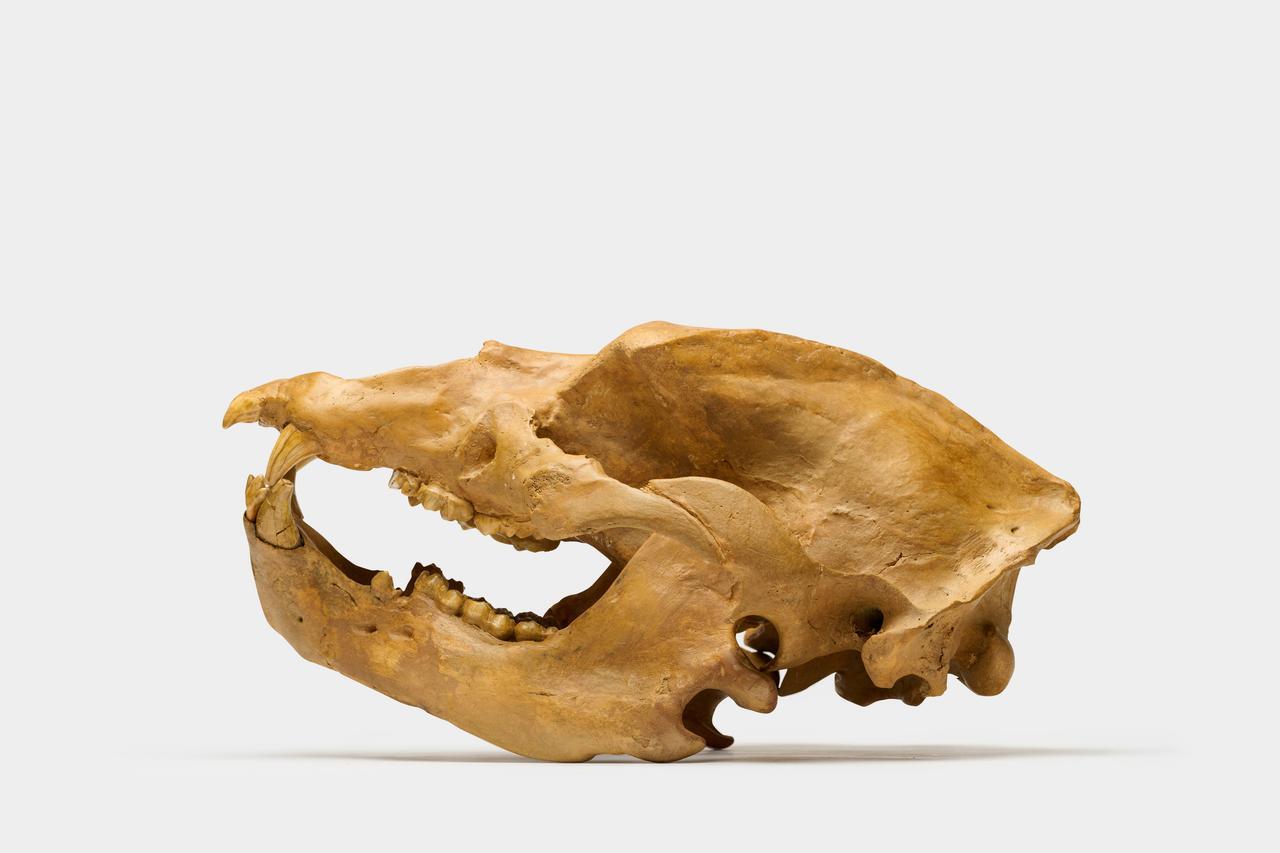
Perfect Fossil "poop" - Fragmento de fósil - Coprolite (Sin precio de reserva)


03
días
14
horas
36
minutos
50
segundos

No hay ninguna puja
Protección del Comprador de Catawiki
Tu pago está protegido con nosotros hasta que recibas tu objeto.Ver detalles
Trustpilot 4.4 | 122630 valoraciones
Valoración Excelente en Trustpilot.
Coprolito, un espécimen natural procedente de Madagascar, de la era Cretácica (145–66 millones de años), perfecto fósil de excremento.
Resumen redactado con la ayuda de la IA
Descripción del vendedor
Coprolites are fossilized faeces!
They were described for the first time in 1829 by William Buckland. Their main importance lies in the fact that they constitute direct eating habits and predation of extinct species, especially carnivores, since it is easier to find undigested bones than vegetal remains, (although this is not impossible), in many cases establishing direct relationships between predator and prey, which otherwise would only be theoretical.
They are of German origin. The study of coprolites constitutes a very important field for palaeontology, since taking into account the place where they were found and their characteristics, it is possible to determine with some precision to which animals they corresponded.
Until now, it has been confirmed that the vast majority of coprolites found in different parts of the world belonged to invertebrates, mammals, carnivorous birds and dinosaurs.
This Coprolite preservation is amazing, looks like fresh.
Coprolite is 3,5 cm
Interesting and peculiar fossil.
Despite every effort to provide accurate images of each fossil’s colour, actual colors can may vary slightly, due to different device screen settings and lighting in the installation location.
El vendedor y su historia
Don & Donna Fossils finalmente se mudó a España.
Somos Don & Donna Fossils, una pareja unida por el amor a la exploración, la investigación de campo, la preparación profesional y la exhibición en museos de fósiles de todo el mundo.
Esta fórmula, combinada con el deseo de mejorar, nos convierte en un equipo ganador y dedicado a nuestro Mundo Fósil.
Larisa es una apasionada de los fósiles desde que era niña. Sus puntos fuertes son el perfeccionismo, la perseverancia y la creatividad, de ahí su capacidad para trabajar y preparar estos fósiles lo más auténticos, únicos y estéticos posible. Las piezas con las que es famosa y de las que más presume son las amonitas espinosas.
Yo, Don, comencé a buscar fósiles en 1987, pasando de ser un coleccionista apasionado a un preparador e investigador profesional. En todos estos años he viajado buscando fósiles en muchas partes del mundo.
Nuestros fósiles están presentes en colecciones privadas de Estados Unidos, Singapur, Taiwán, así como en prestigiosos museos de Reino Unido, China y Japón.
Nos distinguen la calidad en la preparación del material y la seriedad en gestionar el envío de la mejor forma posible.
don y donna
Traducido por el Traductor de GoogleCoprolites are fossilized faeces!
They were described for the first time in 1829 by William Buckland. Their main importance lies in the fact that they constitute direct eating habits and predation of extinct species, especially carnivores, since it is easier to find undigested bones than vegetal remains, (although this is not impossible), in many cases establishing direct relationships between predator and prey, which otherwise would only be theoretical.
They are of German origin. The study of coprolites constitutes a very important field for palaeontology, since taking into account the place where they were found and their characteristics, it is possible to determine with some precision to which animals they corresponded.
Until now, it has been confirmed that the vast majority of coprolites found in different parts of the world belonged to invertebrates, mammals, carnivorous birds and dinosaurs.
This Coprolite preservation is amazing, looks like fresh.
Coprolite is 3,5 cm
Interesting and peculiar fossil.
Despite every effort to provide accurate images of each fossil’s colour, actual colors can may vary slightly, due to different device screen settings and lighting in the installation location.
El vendedor y su historia
Don & Donna Fossils finalmente se mudó a España.
Somos Don & Donna Fossils, una pareja unida por el amor a la exploración, la investigación de campo, la preparación profesional y la exhibición en museos de fósiles de todo el mundo.
Esta fórmula, combinada con el deseo de mejorar, nos convierte en un equipo ganador y dedicado a nuestro Mundo Fósil.
Larisa es una apasionada de los fósiles desde que era niña. Sus puntos fuertes son el perfeccionismo, la perseverancia y la creatividad, de ahí su capacidad para trabajar y preparar estos fósiles lo más auténticos, únicos y estéticos posible. Las piezas con las que es famosa y de las que más presume son las amonitas espinosas.
Yo, Don, comencé a buscar fósiles en 1987, pasando de ser un coleccionista apasionado a un preparador e investigador profesional. En todos estos años he viajado buscando fósiles en muchas partes del mundo.
Nuestros fósiles están presentes en colecciones privadas de Estados Unidos, Singapur, Taiwán, así como en prestigiosos museos de Reino Unido, China y Japón.
Nos distinguen la calidad en la preparación del material y la seriedad en gestionar el envío de la mejor forma posible.
don y donna
Traducido por el Traductor de GoogleDatos
Ejemplar
Perfect fossil 'poop'
Nombre científico
Coprolite
País de origen
Madagascar
Periodo geológico
Cretácico (145 - 66 millones de años)
Estado
Natural
Vendido por