Nro. 100637435

Myyty
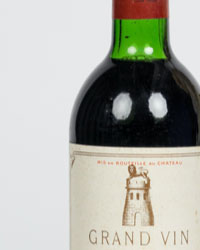
1996 Philippe Pichon - Condrieu Grand Cru - 3 Pullot (0.7 L)
Viimeinen tarjous
€ 90
1 viikko sitten

1996 Philippe Pichon - Condrieu Grand Cru - 3 Pullot (0.7 L)

Characterful Condrieu wines have enjoyed increasing popularity since the 1970s. In this time the Viognier grape has been brought back from the brink of extinction. In the early 1980s, there were just a few hectares of Viognier vineyard left in this area (and in fact anywhere on Earth). There are now roughly 170 hectares (420 acres) exclusively devoted to Condrieu production. While this may still seem a tiny amount, it dwarfs the four hectares used by the Château-Grillet appellation. But to give this some further context, for every bottle of Condrieu produced, there are 10 of Crôzes-Hermitage. Terroir Condrieu vineyards lie within in a nine-mile stretch of the Rhône Valley on a winding section of the Rhône River. The appellation name derives from a French phrase meaning 'corner of the stream'. They are typically placed on south- and south-east-facing granite slopes rising steeply from the riverbanks. This orientation enables the vines to obtain maximum warmth and sunlight in the cooler days of spring and autumn. This in turn results in ripe, flavorful wines. Many of these slopes are far too steep to be accessible to tractors. Therefore they are harvested by hand, just as they were when grapes were first grown here about 2000 years ago. The best sites have topsoil made up of mixed chalk, flint and mica. Some believe this is responsible for the mineral aromas present in the finest Condrieu wines. The combination of these soils and the dry, warm climate of the area creates a valuable and distinctive terroir. One drawback of these vineyard sites is that they are particularly exposed to the strong northerly winds that move up the Rhône. These can inflict significant damage to crops during the flowering period. The average yield here is famously low, which makes Condrieu wines not only rare but also quite expensive to produce. Wine styles In the decades since their renaissance, the wines of Condrieu have evolved stylistically. There has been a shift towards dry styles and away from the intense, sweet styles in which they were once made. Conveniently, this brings them towards a style better matched to the other appellation product made in this area, Rigotte de Condrieu goats' cheese. Condrieu Sélection des Grains Nobles In response to increasing consumer preferences for dry wine styles, sweet Condrieu wines are often now marked out by the phrase Selection des Grains Nobles. The aim of this change is firstly to bring greater clarity to consumers regarding wine styles. It also returns an element of exclusivity to the appellation's sweet wines. Wines claiming the appellation title AOC Condrieu Selection des Grains Nobles must be produced from grapes harvested in multiple passes through the vineyard. Picking can begin no earlier than eight days after the standard harvest. Cryoextraction and chaptalization are prohibited, although the rules do not prohibit passerillage sur souche. The latter is the process of leaving grapes on the vines to dry them out and concentrate their natural sugars and flavors.

Nro. 100637435

Myyty
1996 Philippe Pichon - Condrieu Grand Cru - 3 Pullot (0.7 L)

1996 Philippe Pichon - Condrieu Grand Cru - 3 Pullot (0.7 L)

Characterful Condrieu wines have enjoyed increasing popularity since the 1970s. In this time the Viognier grape has been brought back from the brink of extinction. In the early 1980s, there were just a few hectares of Viognier vineyard left in this area (and in fact anywhere on Earth).

There are now roughly 170 hectares (420 acres) exclusively devoted to Condrieu production. While this may still seem a tiny amount, it dwarfs the four hectares used by the Château-Grillet appellation. But to give this some further context, for every bottle of Condrieu produced, there are 10 of Crôzes-Hermitage.

Terroir
Condrieu vineyards lie within in a nine-mile stretch of the Rhône Valley on a winding section of the Rhône River. The appellation name derives from a French phrase meaning 'corner of the stream'. They are typically placed on south- and south-east-facing granite slopes rising steeply from the riverbanks.

This orientation enables the vines to obtain maximum warmth and sunlight in the cooler days of spring and autumn. This in turn results in ripe, flavorful wines.

Many of these slopes are far too steep to be accessible to tractors. Therefore they are harvested by hand, just as they were when grapes were first grown here about 2000 years ago.

The best sites have topsoil made up of mixed chalk, flint and mica. Some believe this is responsible for the mineral aromas present in the finest Condrieu wines. The combination of these soils and the dry, warm climate of the area creates a valuable and distinctive terroir.

One drawback of these vineyard sites is that they are particularly exposed to the strong northerly winds that move up the Rhône. These can inflict significant damage to crops during the flowering period. The average yield here is famously low, which makes Condrieu wines not only rare but also quite expensive to produce.

Wine styles
In the decades since their renaissance, the wines of Condrieu have evolved stylistically. There has been a shift towards dry styles and away from the intense, sweet styles in which they were once made. Conveniently, this brings them towards a style better matched to the other appellation product made in this area, Rigotte de Condrieu goats' cheese.

Condrieu Sélection des Grains Nobles
In response to increasing consumer preferences for dry wine styles, sweet Condrieu wines are often now marked out by the phrase Selection des Grains Nobles. The aim of this change is firstly to bring greater clarity to consumers regarding wine styles. It also returns an element of exclusivity to the appellation's sweet wines.

Wines claiming the appellation title AOC Condrieu Selection des Grains Nobles must be produced from grapes harvested in multiple passes through the vineyard. Picking can begin no earlier than eight days after the standard harvest. Cryoextraction and chaptalization are prohibited, although the rules do not prohibit passerillage sur souche. The latter is the process of leaving grapes on the vines to dry them out and concentrate their natural sugars and flavors.

Viimeinen tarjous
€ 90

Samankaltaisia esineitä

Sinulle kategoriassa

Viinit

Aseta hakuvahti
Aseta hakuvahti saadaksesi ilmoituksia, kun uusia osumia löytyy.

Tämä esine oli esillä kohteessa


Näin ostat Catawikistä

Lue lisää ostajan suojastamme

      1. Löydä jotain erityistä

      Selaa tuhansia asiantuntijoiden valitsemia erikoisesineitä. Tutustu jokaisen erityislaatuisen esineen kuviin, tietoihin ja arvioituun arvoon. 

      2. Tee korkein tarjous

      Löydä jotain, josta pidät ja tee siitä korkein tarjous. Voit seurata huutokauppaa loppuun asti tai antaa järjestelmämme tehdä tarjoukset puolestasi. Sinun tarvitsee vain asettaa enimmäishinta, jonka olet halukas maksamaan tietystä esineestä. 

      3. Maksa turvallisesti

      Pidämme maksusi tallessa, kunnes olet vastaanottanut ostoksesi ehjänä ja hyvässä kunnossa. Käytämme luotettavaa maksujärjestelmää kaikkien maksutapahtumien käsittelyyn. 

Onko sinulla jotain samankaltaista myytäväksi?

Olit sitten ensi kertaa verkkohuutokaupassa tai ammattimyyjä, voimme auttaa sinua ansaitsemaan erikoisesineistäsi enemmän.

Myy esineesi