
Nr. 105096329

Eladva
Római Birodalom. Didius Julianus (AD 193). Denarius Rome
Végső licit
€ 1 101
2 héttel ezelőtt

Római Birodalom. Didius Julianus (AD 193). Denarius Rome

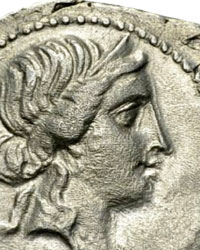
*This coin comes with certificate of authenticity* Roman Imperial Didius Julianus. AD 193. AR Denarius (17mm, 2.38 g, 12h). Rome mint. IMP CAES M DID IVLIAN AVG, laureate head right / CONCO R D MILIT, Concordia, draped, standing facing, head left, holding aquila in each hand. RIC IV 1; RSC 2; BMCRE 2-3. Almost VF. Didius Julianus was born to a wealthy family in AD 137, probably in Milan. He had a prominent government career, including several provincial governorships, in the reigns of Marcus Aurelius and Commodus. Though successful, he did not earn the respect of his fellow senators, who regarded him as a sensualist and a spendthrift. When the Emperor Pertinax was killed by the Praetorians after only a three-month reign on March 28, AD 193, no ready successor was at hand. Pertinax's father-in-law, Flavius Sulpicianus, entered the Praetorian camp and tried to get the troops to proclaim him emperor, but he was met with little enthusiasm. Sensing an opportunity, Didius Julianus rushed to the camp and began to make cash promises to the soldiers from outside the wall. Soon the scene became an auction, with Sulpicianus and Julianus striving to outbid each other for the favor of the troops. When Sulpicianus reached 20,000 sesterces per soldier, Didius Julianus upped the bid by a whopping 5,000 sesterces, signaling with hand gestures. The emperorship was sold. Julianus was allowed into the camp and the Praetorians proclaimed him emperor. Confronted by the Praetorian swords, the Senate approved his elevation, but could not hide its disgust. Disturbances broke out throughout the city, and a crowd at the Colosseum loudly called for Pescennius Niger, governor of Syria, to march on Rome. Niger was not the only alternative. Two other provincial governors also declared themselves emperor: Clodius Albinus in Britain, and Septimius Severus in Pannonia. Severus, closest to Rome, immediately marshaled his troops and invaded Italy. Julianus at first tried negotiations, then sent assassins to kill Severus, to no avail. Julianus next tried to fortify Rome but the results were ineffective and ludicrous. With Julianus' authority in Rome rapidly deteriorating, Severus sent messages to the Praetorians, who renounced their allegiance to Julianus. Seeing their cue, the Senators proclaimed Severus emperor and passed a death sentence on Julianus. On June 1, AD 193, a Praetorian officer found the cringing Julianus hiding in the palace and dispatched him, ending his pathetic 65-day reign. The lot could be subject to additional costs such as customs clearance and the costs of import duties. Please note that these costs fall to the buyer. SHIPPING TO US IS CURRENTLY NOT POSSIBLE!

Nr. 105096329

Eladva
Római Birodalom. Didius Julianus (AD 193). Denarius Rome

Római Birodalom. Didius Julianus (AD 193). Denarius Rome

*This coin comes with certificate of authenticity*


Roman Imperial
Didius Julianus. AD 193. AR Denarius (17mm, 2.38 g, 12h). Rome mint. IMP CAES M DID IVLIAN AVG, laureate head right / CONCO R D MILIT, Concordia, draped, standing facing, head left, holding aquila in each hand. RIC IV 1; RSC 2; BMCRE 2-3. Almost VF.


Didius Julianus was born to a wealthy family in AD 137, probably in Milan. He had a prominent government career, including several provincial governorships, in the reigns of Marcus Aurelius and Commodus. Though successful, he did not earn the respect of his fellow senators, who regarded him as a sensualist and a spendthrift. When the Emperor Pertinax was killed by the Praetorians after only a three-month reign on March 28, AD 193, no ready successor was at hand. Pertinax's father-in-law, Flavius Sulpicianus, entered the Praetorian camp and tried to get the troops to proclaim him emperor, but he was met with little enthusiasm. Sensing an opportunity, Didius Julianus rushed to the camp and began to make cash promises to the soldiers from outside the wall. Soon the scene became an auction, with Sulpicianus and Julianus striving to outbid each other for the favor of the troops. When Sulpicianus reached 20,000 sesterces per soldier, Didius Julianus upped the bid by a whopping 5,000 sesterces, signaling with hand gestures. The emperorship was sold. Julianus was allowed into the camp and the Praetorians proclaimed him emperor. Confronted by the Praetorian swords, the Senate approved his elevation, but could not hide its disgust. Disturbances broke out throughout the city, and a crowd at the Colosseum loudly called for Pescennius Niger, governor of Syria, to march on Rome. Niger was not the only alternative. Two other provincial governors also declared themselves emperor: Clodius Albinus in Britain, and Septimius Severus in Pannonia. Severus, closest to Rome, immediately marshaled his troops and invaded Italy. Julianus at first tried negotiations, then sent assassins to kill Severus, to no avail. Julianus next tried to fortify Rome but the results were ineffective and ludicrous. With Julianus' authority in Rome rapidly deteriorating, Severus sent messages to the Praetorians, who renounced their allegiance to Julianus. Seeing their cue, the Senators proclaimed Severus emperor and passed a death sentence on Julianus. On June 1, AD 193, a Praetorian officer found the cringing Julianus hiding in the palace and dispatched him, ending his pathetic 65-day reign.


The lot could be subject to additional costs such as customs clearance and the costs of import duties. Please note that these costs fall to the buyer. SHIPPING TO US IS CURRENTLY NOT POSSIBLE!

Végső licit
€ 1 101
Carmen Vera Gutiérrez
Szakértő
Becslés  € 1 300 - € 1 500

Hasonló tárgyak

Önnek ajánlott:

Ókori érmék

Keresési riasztás beállítása
Állítson be keresési riasztást, hogy értesítést kapjon, ha új találatok válnak elérhetővé.

Ez a tárgy a következőben szerepelt:


Hogyan vásárolhatok a Catawiki-n?

Tudjon meg többet a Vevővédelmünkről

      1. Fedezzen fel valami különlegeset

      Böngésszen a szakértők által kiválasztott több ezer különleges tárgy között. Tekintse meg az egyes különleges tárgyak fényképeit, részleteit és becsült értékét. 

      2. Tegye meg a legmagasabb licitet

      Találjon valamit, ami igazán tetszik, és tegye meg a legmagasabb licitet. Követheti az árverést egészen a végéig, vagy hagyhatja, hogy a rendszerünk végezze el Ön helyett a licitálást. Mindössze annyit kell tennie, hogy beállítja a licitet a maximálisan kifizetni kívánt összegre. 

      3. Fizessen a biztonságos és védett rendszert használva
      Fizessen a különleges tárgyért, és mi védett rendszerben megőrizzük az összeget, amíg a tárgy biztonságosan meg nem érkezik Önhöz. Megbízható fizetési rendszert használunk az összes tranzakció kezelésére. 

Eladna valami hasonlót?

Akár új az online árverések világában, akár professzionálisan értékesít, mi segíthetünk abban, hogy jobb áron adja el különleges tárgyait.

Tárgy eladása