Palladio - First Book of Architecture - 1683


L'asta inizia tra 54min
Offerta iniziale
€ 1
Aggiungi ai tuoi preferiti per ricevere un avviso quando inizia l'asta.

Esperto
Selezionato da Volker Riepenhausen
Specialista in letteratura di viaggio e stampe rare prima del 1600, con 28 anni di esperienza.
Stima € 850 - € 1.000
Tutela degli acquirenti Catawiki
Il tuo pagamento è al sicuro con noi finché non ricevi il tuo oggetto.Mostra dettagli
Trustpilot 4.4 | 121798 recensioni
Valutato Eccellente su Trustpilot.
Descrizione del venditore
L’INCANTESIMO DELLE VILLE VENETE NEL CUORE DI LONDRA - IN UNA RARA TRADUZIONE INGLESE
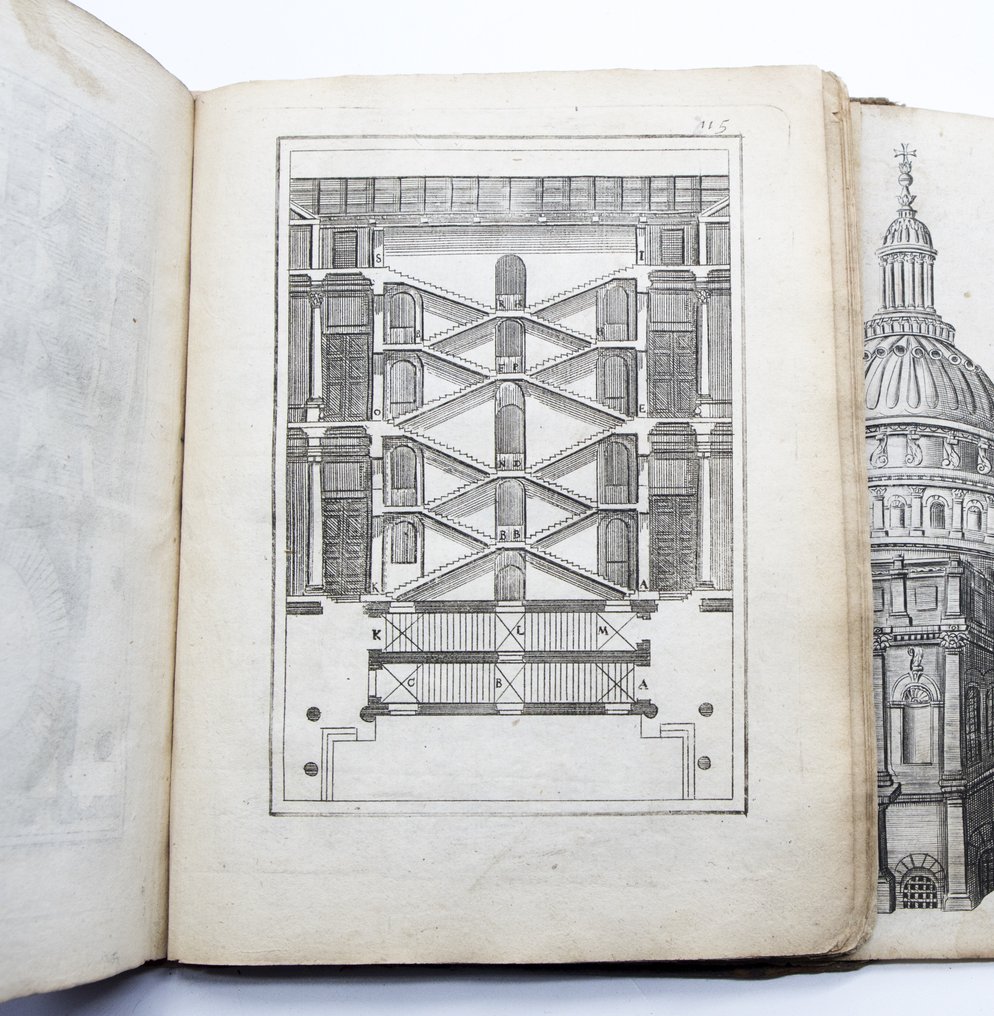
Rara e significativa edizione inglese del Primo libro di architettura di Andrea Palladio, pubblicata a Londra nel 1683 per i tipi di Thomas Passinger e Robert Smith. Tradotta da Geoffrey Richards e arricchita da un’appendice sulle porte e finestre a cura di Pierre Le Muet, architetto francese attivo a Parigi, l’opera rappresenta una delle vie principali attraverso cui il linguaggio palladiano si diffonde nella cultura architettonica britannica del XVII secolo. L’apparato illustrativo, qui parzialmente conservato, ha costituito per lungo tempo una fonte imprescindibile per architetti e disegnatori europei.
MARKET VALUE
Esemplari completi e ben conservati di questa rara edizione londinese del 1683 sono molto ricercati. Le copie in buono stato e con tutte le tavole complete sono valutate tra 2.500 e 5.000 euro, mentre copie parziali o con difetti (come nel presente esemplare) possono oscillare tra 1.000 e 1.800 euro, in funzione dello stato della legatura e della presenza delle tavole principali. L’interesse resta comunque alto per via della rarità e del valore storico-architettonico.
PHYSICAL DESCRIPTION AND CONDITION
Legatura in pieno vitello, molto usurata dorso rifatto. Tavole pieghevoli, 59 illustrazioni incise a piena pagina. Diverse note manoscritte sparse. Carta imbrunita, con macchie e segni d’uso diffuso. Non collazionato: venduto as is, Pp. (2); 8nn. 239; 2nn.
FULL TITLE AND AUTHOR
Andrea Palladio
The First Book of Architecture...with an Appendix touching Doors and Windows, by Pr. Le Muet.
London, T. Passinger and R. Smith, 1683
CONTEXT AND SIGNIFICANCE
Il Primo libro di architettura di Palladio, pubblicato per la prima volta a Venezia nel 1570, rappresenta uno dei più influenti trattati di architettura dell’intera età moderna. L’edizione inglese del 1683, qui proposta nella sua quarta stampa, testimonia l’influenza duratura del classicismo rinascimentale in Inghilterra, nel pieno della diffusione dello stile palladiano. L’appendice di Le Muet amplia l’orizzonte della trattazione con elementi tipici dell’architettura francese di ispirazione classica. Le traduzioni inglesi dell’opera di Palladio furono cruciali per la formazione del gusto architettonico georgiano e per il modello delle country houses britanniche.
SHORT BIOGRAPHY OF THE AUTHOR
Andrea Palladio (Padova 1508 – Vicenza 1580) fu architetto, teorico e figura centrale del Rinascimento italiano. Attivo soprattutto nel Veneto, fu autore di ville, palazzi e chiese di straordinaria armonia classica. La sua opera teorica, I quattro libri dell’architettura, influenzò profondamente l’architettura europea dal XVII al XIX secolo, in particolare in Inghilterra e negli Stati Uniti, dando origine al cosiddetto “palladianesimo”.
PRINTING HISTORY AND CIRCULATION
La prima traduzione inglese del Primo libro apparve nel 1663, seguita da una seconda nel 1668 e una terza nel 1676. L’edizione del 1683 è la quarta e conferma l’interesse stabile del pubblico inglese verso i modelli palladiani, tradotti in chiave locale anche grazie all’apporto di studiosi e architetti come Le Muet. Questa edizione fu pubblicata da Passinger e Smith, noti editori londinesi attivi nel commercio librario illustrato. Le tavole, di qualità incisoria buona ma non paragonabile all’originale veneziana, svolgevano tuttavia una funzione formativa e pratica.
BIBLIOGRAPHY AND REFERENCES
BAL RIBA 2402
Harris, British Architectural Books and Writers, n. 673
ALA, Catalogue of the Architecture Library, P207
RIBA, Early Printed Books, Vol. 1, pp. 364–366
Fowler, Architectural Books, passim
Ackerman, Palladio (Penguin, 1991), cap. V-VI.
Il venditore si racconta
Luxury Books: Your Go-To Guide for Nabbing Literary Treasures!
Embarking on the thrilling journey of collecting rare and timeless printed works? Here's your snappy rundown, "The Collector's Cheat Sheet," to ensure you're not just flipping pages but stacking up the value:
1. Edition and Rarity: Rarity is the name of the game. First editions, limited printings, and books flaunting unique features like eye-catching illustrations or mind-blowing bindings? Consider them the VIPs of the collector's world.
2. Condition & Dimension: Picture this – a book in mint condition, untouched by the woes of wear and tear. Now, flip the script: wear, foxing, discoloration – they're the villains here. And don't forget to size up the dimensions, because a book's size matters in the collector's universe.
3. Authenticity: In a world of replicas and forgeries, verifying a book's authenticity is your superhero move. Expert examination and authentication – your trusty sidekicks in this quest.
4. Provenance: Who owned it before you? If the book has hobnobbed with famous figures or danced through historical events, its value skyrockets. Every book has a story, but some have blockbuster tales.
5. Demand and Market Trends: Think of book values as the stock market of the literary world. Stay savvy on collector trends and market shifts to ride the waves of value.
6. Subject Matter: Some topics are like fine wine – they get better with time. Dive into subjects with a timeless appeal or ride the wave of emerging cultural and historical relevance.
7. Binding and Design: Beauty is more than skin deep. Intricate bindings, stunning covers, and illustrations – these are the accessories that make a book runway-ready in the collector's eyes.
8. Association Copies: Books with a personal touch – whether it's a connection to the author or a famous personality – elevate the historical vibes. A book with a backstory? Count us in.
9. Investment Potential: Passion is the engine, but some collectors eye future returns. Keep in mind, though, that the book market can be as unpredictable as a plot twist.
10. Expert Advice: New to the game? Don't play solo. Seek wisdom from the book gurus, hit up book fairs, and join collector communities. We at Luxury Books are the Yodas of the rare book galaxy, helping you build collections that scream sophistication and cultural clout.
Because collecting rare books isn't just about dollar signs – it's a journey of preserving heritage and embracing literary treasures. Happy collecting!
L’INCANTESIMO DELLE VILLE VENETE NEL CUORE DI LONDRA - IN UNA RARA TRADUZIONE INGLESE
Rara e significativa edizione inglese del Primo libro di architettura di Andrea Palladio, pubblicata a Londra nel 1683 per i tipi di Thomas Passinger e Robert Smith. Tradotta da Geoffrey Richards e arricchita da un’appendice sulle porte e finestre a cura di Pierre Le Muet, architetto francese attivo a Parigi, l’opera rappresenta una delle vie principali attraverso cui il linguaggio palladiano si diffonde nella cultura architettonica britannica del XVII secolo. L’apparato illustrativo, qui parzialmente conservato, ha costituito per lungo tempo una fonte imprescindibile per architetti e disegnatori europei.
MARKET VALUE
Esemplari completi e ben conservati di questa rara edizione londinese del 1683 sono molto ricercati. Le copie in buono stato e con tutte le tavole complete sono valutate tra 2.500 e 5.000 euro, mentre copie parziali o con difetti (come nel presente esemplare) possono oscillare tra 1.000 e 1.800 euro, in funzione dello stato della legatura e della presenza delle tavole principali. L’interesse resta comunque alto per via della rarità e del valore storico-architettonico.
PHYSICAL DESCRIPTION AND CONDITION
Legatura in pieno vitello, molto usurata dorso rifatto. Tavole pieghevoli, 59 illustrazioni incise a piena pagina. Diverse note manoscritte sparse. Carta imbrunita, con macchie e segni d’uso diffuso. Non collazionato: venduto as is, Pp. (2); 8nn. 239; 2nn.
FULL TITLE AND AUTHOR
Andrea Palladio
The First Book of Architecture...with an Appendix touching Doors and Windows, by Pr. Le Muet.
London, T. Passinger and R. Smith, 1683
CONTEXT AND SIGNIFICANCE
Il Primo libro di architettura di Palladio, pubblicato per la prima volta a Venezia nel 1570, rappresenta uno dei più influenti trattati di architettura dell’intera età moderna. L’edizione inglese del 1683, qui proposta nella sua quarta stampa, testimonia l’influenza duratura del classicismo rinascimentale in Inghilterra, nel pieno della diffusione dello stile palladiano. L’appendice di Le Muet amplia l’orizzonte della trattazione con elementi tipici dell’architettura francese di ispirazione classica. Le traduzioni inglesi dell’opera di Palladio furono cruciali per la formazione del gusto architettonico georgiano e per il modello delle country houses britanniche.
SHORT BIOGRAPHY OF THE AUTHOR
Andrea Palladio (Padova 1508 – Vicenza 1580) fu architetto, teorico e figura centrale del Rinascimento italiano. Attivo soprattutto nel Veneto, fu autore di ville, palazzi e chiese di straordinaria armonia classica. La sua opera teorica, I quattro libri dell’architettura, influenzò profondamente l’architettura europea dal XVII al XIX secolo, in particolare in Inghilterra e negli Stati Uniti, dando origine al cosiddetto “palladianesimo”.
PRINTING HISTORY AND CIRCULATION
La prima traduzione inglese del Primo libro apparve nel 1663, seguita da una seconda nel 1668 e una terza nel 1676. L’edizione del 1683 è la quarta e conferma l’interesse stabile del pubblico inglese verso i modelli palladiani, tradotti in chiave locale anche grazie all’apporto di studiosi e architetti come Le Muet. Questa edizione fu pubblicata da Passinger e Smith, noti editori londinesi attivi nel commercio librario illustrato. Le tavole, di qualità incisoria buona ma non paragonabile all’originale veneziana, svolgevano tuttavia una funzione formativa e pratica.
BIBLIOGRAPHY AND REFERENCES
BAL RIBA 2402
Harris, British Architectural Books and Writers, n. 673
ALA, Catalogue of the Architecture Library, P207
RIBA, Early Printed Books, Vol. 1, pp. 364–366
Fowler, Architectural Books, passim
Ackerman, Palladio (Penguin, 1991), cap. V-VI.
Il venditore si racconta
Luxury Books: Your Go-To Guide for Nabbing Literary Treasures!
Embarking on the thrilling journey of collecting rare and timeless printed works? Here's your snappy rundown, "The Collector's Cheat Sheet," to ensure you're not just flipping pages but stacking up the value:
1. Edition and Rarity: Rarity is the name of the game. First editions, limited printings, and books flaunting unique features like eye-catching illustrations or mind-blowing bindings? Consider them the VIPs of the collector's world.
2. Condition & Dimension: Picture this – a book in mint condition, untouched by the woes of wear and tear. Now, flip the script: wear, foxing, discoloration – they're the villains here. And don't forget to size up the dimensions, because a book's size matters in the collector's universe.
3. Authenticity: In a world of replicas and forgeries, verifying a book's authenticity is your superhero move. Expert examination and authentication – your trusty sidekicks in this quest.
4. Provenance: Who owned it before you? If the book has hobnobbed with famous figures or danced through historical events, its value skyrockets. Every book has a story, but some have blockbuster tales.
5. Demand and Market Trends: Think of book values as the stock market of the literary world. Stay savvy on collector trends and market shifts to ride the waves of value.
6. Subject Matter: Some topics are like fine wine – they get better with time. Dive into subjects with a timeless appeal or ride the wave of emerging cultural and historical relevance.
7. Binding and Design: Beauty is more than skin deep. Intricate bindings, stunning covers, and illustrations – these are the accessories that make a book runway-ready in the collector's eyes.
8. Association Copies: Books with a personal touch – whether it's a connection to the author or a famous personality – elevate the historical vibes. A book with a backstory? Count us in.
9. Investment Potential: Passion is the engine, but some collectors eye future returns. Keep in mind, though, that the book market can be as unpredictable as a plot twist.
10. Expert Advice: New to the game? Don't play solo. Seek wisdom from the book gurus, hit up book fairs, and join collector communities. We at Luxury Books are the Yodas of the rare book galaxy, helping you build collections that scream sophistication and cultural clout.
Because collecting rare books isn't just about dollar signs – it's a journey of preserving heritage and embracing literary treasures. Happy collecting!
Dettagli
Numero di Libri
1
Soggetto
Architettura, Storia
Titolo del Libro
First Book of Architecture
Autore/ Illustratore
Palladio
Condizione
Condizioni discrete
Anno di pubblicazione dell’oggetto più vecchio
1683
Altezza
194 mm
Edizione
Edizione illustrata
Larghezza
154 mm
Lingua
Inglese
Lingua originale
No
Editore
London, T. Passinger and R. Smith, 1683
Legatura
Pelle
Extra
Tavole fuori testo
Numero di pagine
251
Venduto da
