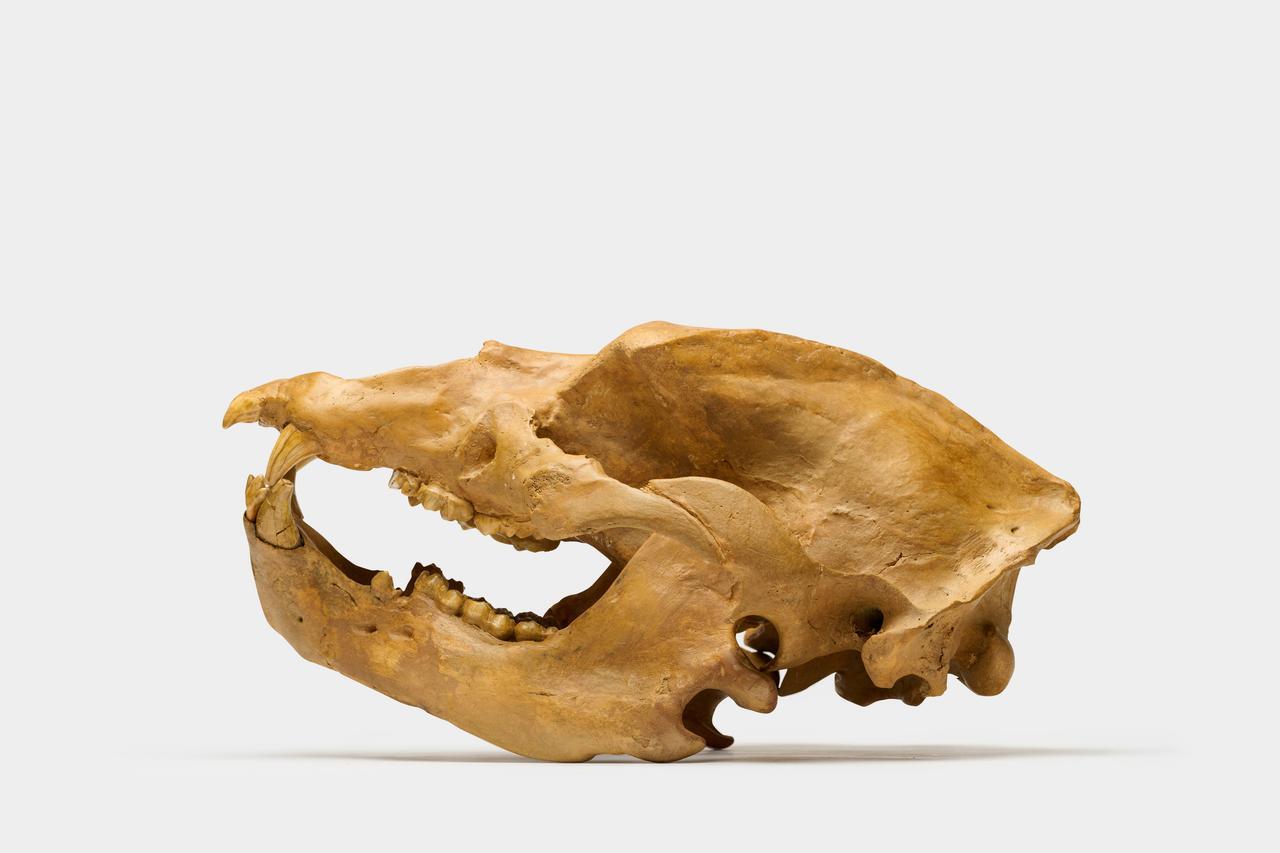
Orthoceras - Fossile dyr - 28 cm - 16 cm


Åpner i morgen
Startbud
€ 1
Legg til dine favoritter for å få et varsel når auksjonen begynner.

Catawiki kjøperbeskyttelse
Betalingen din er trygg hos oss helt til du mottar objektet ditt.Vis detaljer
Trustpilot 4.4 | 132849 anmeldelser
Vurdert utmerket på Trustpilot.
Beskrivelse fra selgeren
Bellissimo piastra con diversi esemplari di Beautiful slab featuring multiple Orthoceras specimens from Morocco. These ancient marine animals were among the earliest life forms to inhabit the planet. Discovered in the northwestern Sahara.
Orthoceras are extinct cephalopod mollusks belonging to a long-lost group. These marine creatures lived in the oceans hundreds of millions of years ago, primarily during the Ordovician and Silurian periods. Their name, meaning “straight horn” in Greek, refers to the distinctive elongated, conical shape of their shells. The shell was divided into chambers separated by septa and connected by a central siphuncle.
The Orthoceras shell is their most characteristic feature. It was composed of aragonite, a mineral also found in the shells of many modern mollusks. Over time, through geological processes such as sedimentation and mineralization, these shells fossilized, forming the specimens we admire today.
Orthoceras fossils are valuable witnesses to ancient marine life. Their study allows scientists to reconstruct prehistoric ecosystems, understand species evolution, and gain insight into the major changes that have shaped Earth’s history.
-- metal display stand included
Bellissimo piastra con diversi esemplari di Beautiful slab featuring multiple Orthoceras specimens from Morocco. These ancient marine animals were among the earliest life forms to inhabit the planet. Discovered in the northwestern Sahara.
Orthoceras are extinct cephalopod mollusks belonging to a long-lost group. These marine creatures lived in the oceans hundreds of millions of years ago, primarily during the Ordovician and Silurian periods. Their name, meaning “straight horn” in Greek, refers to the distinctive elongated, conical shape of their shells. The shell was divided into chambers separated by septa and connected by a central siphuncle.
The Orthoceras shell is their most characteristic feature. It was composed of aragonite, a mineral also found in the shells of many modern mollusks. Over time, through geological processes such as sedimentation and mineralization, these shells fossilized, forming the specimens we admire today.
Orthoceras fossils are valuable witnesses to ancient marine life. Their study allows scientists to reconstruct prehistoric ecosystems, understand species evolution, and gain insight into the major changes that have shaped Earth’s history.
-- metal display stand included
Detaljer
Eksemplar
Orthoceras
Opprinnelsesland
Marokko
Geologisk periode
Ordovician (485,4 - 443,8 millioner år)
Tilstand
Naturlig
Behandling
Polert
Vekt
3,12 kg
Height
28 cm
Width
16 cm
Autentisitet
Original/offisiell
Solgt av