Nr. 98532144

Solgt
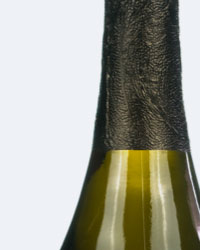
2002 Dom Pérignon, P2 - Champagne Brut - 1 Flaske (0,75 l)
Siste bud
€ 360
10 uker siden

2002 Dom Pérignon, P2 - Champagne Brut - 1 Flaske (0,75 l)

2002 Dom Perignon P2 Plenitude Brut Preserved in an impeccable way in a natural cellar without light with controlled humidity and temperature Il Dom Perignon P2 incarna alla perfezione tutta l’energia, l’intensità e la profondità dei più grandi Champagne Millesimati. Si tratta del Dom Perignon assoluto, nato da un invecchiamento prolungato sui lieviti, per un totale di 15 anni. È capace di stupire e impressionare: una materia liquida setosa, cremosa, densa, burrosa e tostata, dotata però di un’incredibile vitalità, di una vibrante freschezza e di una mineralità iodata di grande precisione. Dom Pérignon is a celebrated Champagne brand owned by Moët & Chandon. Its origins can be traced back to the Abbey of Saint Pierre d'Hautvillers in northern France – the so-called birthplace of Champagne. The 17th-Century Benedictine monk Dom Pierre Pérignon is credited with its invention after taking up the position as the abbey's cellarer and procurator in 1668. Pierre Pérignon spent the remaining 47 years of his life striving to create the "best wine in the world", with his wine even gracing the tables of the court of King Louis XIV, the Sun King. To this day the Abbey of Saint Pierre d'Hautvillers houses the "Le Traité de la culture des vignes de Champagne", or the "Treatise on the culture of the vines of Champagne", a manuscript that was penned by Dom Pierre – Pérignon's pupil and successor. The Dom Pérignon brand name was first registered by Eugène Mercier, the founder of Mercier Champagne. He subsequently sold the brand to the Moët & Chandon Champagne house, who used the Dom Pérignon name for its prestige cuvée, first released in 1937. Both Moët & Chandon and Dom Pérignon are now part of the LVMH group. Dom Pérignon has set down its guiding winemaking principles in a manifesto. This document declares Dom Pérignon's commitment to vintage wine blended from Chardonnay and Pinot Noir grapes. Each vintage of Dom Pérignon is unique, with grapes sourced from only the best vineyards in Champagne. Unlike most Champagne producers who harvest the grapes early, the preference established under former cellarmaster Richard Geoffroy was to wait for the grapes to ripen slowly. The highly-respected Geoffroy was chef de cave from 1990 to January, 2019, when he handed over the reins to his assistant, Vincent Chaperon. Geoffroy was considered very much the face of the brand and perhaps the best-known figure within the modern Champagne industry. The portfolio From 2014, Dom Pérignon abandoned the term Oenothèque to describe its aged, late-release Champagnes. Instead Geoffroy introduced the Plénitude concept, with three releases at different stages of the wine's development. The wine is left in contact with the lees for a slow, but active maturation, carefully monitored by the chef de cave. When a window of opportunity, or "plénitude", presents itself, some of the wine is disgorged and released to consumers. Each vintage has three Plénitudes. The first occurs after approximately nine years; this is the "standard" Dom Pérignon Vintage. The wine might reach its second Plénitude at approximately 12-15 years. This bottling is Dom Pérignon P2, formerly known as the first oenothèque. The final Plénitude, Dom Pérignon P3, may occur after approximately 25 years. All the time bands quoted are generalizations, and individual releases may be much older. Dom Pérignon Rosé was first made in 1959. It has not been made in every declared vintage. Oenothéque, P2 and P3 versions are even more rare.

Nr. 98532144

Solgt
2002 Dom Pérignon, P2 - Champagne Brut - 1 Flaske (0,75 l)

2002 Dom Pérignon, P2 - Champagne Brut - 1 Flaske (0,75 l)

2002 Dom Perignon P2 Plenitude Brut

Preserved in an impeccable way in a natural cellar without light with controlled humidity and temperature

Il Dom Perignon P2 incarna alla perfezione tutta l’energia, l’intensità e la profondità dei più grandi Champagne Millesimati. Si tratta del Dom Perignon assoluto, nato da un invecchiamento prolungato sui lieviti, per un totale di 15 anni. È capace di stupire e impressionare: una materia liquida setosa, cremosa, densa, burrosa e tostata, dotata però di un’incredibile vitalità, di una vibrante freschezza e di una mineralità iodata di grande precisione.

Dom Pérignon is a celebrated Champagne brand owned by Moët & Chandon. Its origins can be traced back to the Abbey of Saint Pierre d'Hautvillers in northern France – the so-called birthplace of Champagne.

The 17th-Century Benedictine monk Dom Pierre Pérignon is credited with its invention after taking up the position as the abbey's cellarer and procurator in 1668. Pierre Pérignon spent the remaining 47 years of his life striving to create the "best wine in the world", with his wine even gracing the tables of the court of King Louis XIV, the Sun King.

To this day the Abbey of Saint Pierre d'Hautvillers houses the "Le Traité de la culture des vignes de Champagne", or the "Treatise on the culture of the vines of Champagne", a manuscript that was penned by Dom Pierre – Pérignon's pupil and successor.

The Dom Pérignon brand name was first registered by Eugène Mercier, the founder of Mercier Champagne. He subsequently sold the brand to the Moët & Chandon Champagne house, who used the Dom Pérignon name for its prestige cuvée, first released in 1937.

Both Moët & Chandon and Dom Pérignon are now part of the LVMH group.

Dom Pérignon has set down its guiding winemaking principles in a manifesto. This document declares Dom Pérignon's commitment to vintage wine blended from Chardonnay and Pinot Noir grapes.

Each vintage of Dom Pérignon is unique, with grapes sourced from only the best vineyards in Champagne. Unlike most Champagne producers who harvest the grapes early, the preference established under former cellarmaster Richard Geoffroy was to wait for the grapes to ripen slowly.

The highly-respected Geoffroy was chef de cave from 1990 to January, 2019, when he handed over the reins to his assistant, Vincent Chaperon. Geoffroy was considered very much the face of the brand and perhaps the best-known figure within the modern Champagne industry.

The portfolio

From 2014, Dom Pérignon abandoned the term Oenothèque to describe its aged, late-release Champagnes. Instead Geoffroy introduced the Plénitude concept, with three releases at different stages of the wine's development.

The wine is left in contact with the lees for a slow, but active maturation, carefully monitored by the chef de cave. When a window of opportunity, or "plénitude", presents itself, some of the wine is disgorged and released to consumers.

Each vintage has three Plénitudes. The first occurs after approximately nine years; this is the "standard" Dom Pérignon Vintage.

The wine might reach its second Plénitude at approximately 12-15 years. This bottling is Dom Pérignon P2, formerly known as the first oenothèque. The final Plénitude, Dom Pérignon P3, may occur after approximately 25 years. All the time bands quoted are generalizations, and individual releases may be much older.

Dom Pérignon Rosé was first made in 1959. It has not been made in every declared vintage. Oenothéque, P2 and P3 versions are even more rare.

Siste bud
€ 360
Patricia Verschelling
Ekspert
Estimat  € 400 - € 500

Lignende objekter

For deg

Champagne

Legg inn et søkevarsel
Angi et søkevarsel for å bli varslet når nye treff er tilgjengelige.

Dette objektet ble vist i


Hvordan kjøpe på Catawiki

Les mer om vår kjøperbeskyttelse

      1. Oppdag noe spesielt

      Bla gjennom tusenvis av spesielle objekter valgt av eksperter. Se bilder, detaljer og estimert verdi av hvert spesialobjekt. 

      2. Legg inn det høyeste budet

      Finn noe du liker, og legg inn det øverste budet. Du kan følge auksjonen til slutten eller la systemet vårt gjøre budgivningen for deg. Alt du trenger å gjøre er å angi et bud for det maksimale beløpet du vil betale. 

      3. Å gjøre en sikker betaling

      Betal for dine spesielle objekter og vi holder betalingen sikker til objektet ditt kommer trygt og godt frem. Vi bruker et pålitelig betalingssystem for å håndtere alle transaksjoner. 

Har du noe lignende å selge?

Enten du er ny på nettauksjoner eller profesjonell selger, kan vi hjelpe deg med å tjene mer for dine spesielle gjenstander.

Selg objektet ditt