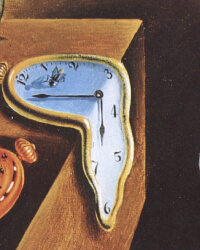
Joan Miro (1893-1983) - L'enfance d'Ubu


05
dni
17
godziny
17
minuty
11
sekundy
Aktualna oferta
€ 2
Bez ceny minimalnej

Ekspert
Wyselekcjonowany przez David Elberg
Spędził pięć lat jako ekspert ds. sztuki klasycznej i trzy lata jako komisarz-priseur.
Estymacja € 150 - € 200
Liczba osób obserwujących ten przedmiot: 6
 | € 2 | |
|---|---|---|
 | € 1 |
Ochrona nabywców Catawiki
Twoja płatność jest u nas bezpieczna, dopóki nie otrzymasz przedmiotu.Zobacz szczegóły
Trustpilot: 4.4 | opinie: 136973
Doskonała ocena na Trustpilot.
Joan Miró, L'enfance d'Ubu, limitowana edycja z lat 1980-1990, offsetowy druk na papierze Fabiano, podpisany na płycie, Hiszpania, Pop Art, 52 × 36 cm, bez ramy.
Podsumowanie wspomagane sztuczną inteligencją
Opis od sprzedawcy
Joan Miro (1893-1983), po
Lithograph on Fabiano Paper
Dimensions: 52x36cm
Seat, 1987
Signed in the plate
Frame not included
Joan Miró’s playful, biomorphic abstractions and distinctively poetic visual vocabulary heavily resonate with the expressive versatility found across modern and contemporary art masters. Much like Pablo Picasso, who was both a close friend and a major influence on his early career, Miró constantly challenged the traditional boundaries of representation, transforming everyday reality into a deeply symbolic, lyrical language. This radical subversion of form also connects Miró to the raw, visceral emotionality of Egon Schiele, whose distorted figures rejected conventional aesthetics in favor of pure, unfiltered psychological expression. While Miró’s dreamlike landscapes might seem distant from the stark, monumental textures of Eduardo Chillida, both artists shared a profound obsession with spatial relationships and the poetic tension between empty space and solid form. Furthermore, Miró’s reliance on universal, flattened symbols and bold graphic outlines predated the visual immediacy of Andy Warhol’s pop icons and the sharp, provocative stencils of Banksy, demonstrating that his simplified, poetic code helped pave the way for art to communicate instantly and powerfully across different generations and mediums.
Joan Miro (1893-1983), po
Lithograph on Fabiano Paper
Dimensions: 52x36cm
Seat, 1987
Signed in the plate
Frame not included
Joan Miró’s playful, biomorphic abstractions and distinctively poetic visual vocabulary heavily resonate with the expressive versatility found across modern and contemporary art masters. Much like Pablo Picasso, who was both a close friend and a major influence on his early career, Miró constantly challenged the traditional boundaries of representation, transforming everyday reality into a deeply symbolic, lyrical language. This radical subversion of form also connects Miró to the raw, visceral emotionality of Egon Schiele, whose distorted figures rejected conventional aesthetics in favor of pure, unfiltered psychological expression. While Miró’s dreamlike landscapes might seem distant from the stark, monumental textures of Eduardo Chillida, both artists shared a profound obsession with spatial relationships and the poetic tension between empty space and solid form. Furthermore, Miró’s reliance on universal, flattened symbols and bold graphic outlines predated the visual immediacy of Andy Warhol’s pop icons and the sharp, provocative stencils of Banksy, demonstrating that his simplified, poetic code helped pave the way for art to communicate instantly and powerfully across different generations and mediums.
Szczegóły
Artysta
Joan Miro (1893-1983)
Sprzedawane przez
Właściciel lub sprzedawca
Edycja
Edycja limitowana
Tytuł dzieła
L'enfance d'Ubu
Technika
Druk offsetowy
Podpis
z podpisem na płycie
Kraj pochodzenia
Hiszpania
Stan
W Dobrym Stanie
Wysokość
52 cm
Szerokość
36 cm
Styl
Pop-art
Okres
1980-1990
Sprzedawany z ramą
Nie