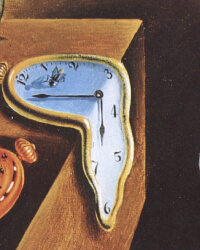
Francisco De Goya (1746-1828) - Bullfighting


02
dni
17
godziny
56
minuty
52
sekundy
Aktualna oferta
€ 19
Bez ceny minimalnej

 | € 19 | |
|---|---|---|
 | € 16 | |
| € 5 | |
Ochrona nabywców Catawiki
Twoja płatność jest u nas bezpieczna, dopóki nie otrzymasz przedmiotu.Zobacz szczegóły
Trustpilot: 4.4 | opinie: 142216
Doskonała ocena na Trustpilot.
Francisco de Goya, Bullfighting, rycina w limitowanej edycji z Hiszpanii, 22,5 cm wysokości, 17,5 cm szerokości, okres 1920–1930, scena historyczna, niepodpisana, w doskonałym stanie.
Podsumowanie wspomagane sztuczną inteligencją
Opis od sprzedawcy
Francisco de Goya (1746–1828) (po)
Circulo de Bellas Artes de Madrid.
Note: stan ogólny bardzo dobry, proszę o weryfikację zdjęć, ponieważ są częścią opisu.
“La Tauromaquia” to seria trzechdziesięciu trzech odbitek opublikowanych w 1816 roku. Do tej serii powinno zostać dodanych jedenaście dodatkowych prac.
From the first years of the 19th c. Goya had the intention to dedicate a series of prints to bullfighting. He created this collection slowly, with no specific schedule, probably due to the disruption caused by the war.
Francisco de Goya’s iconic print series La Tauromaquia laid the thematic and emotional foundation for how modern Spanish artists, most notably Pablo Picasso or Salvador Dalí, approached the raw spectacle of the bullfight. While Goya captured the intense violence, tragic shadows, and volatile energy of the arena with stark realism, Picasso inherited this fascination, transforming the bull into a deeply personal symbol of both primal force and human suffering. For both masters, the bullring was never merely a popular tradition, but a profound stage to explore life, death, and the turbulent soul of Spain.
Francisco de Goya (1746–1828) (po)
Circulo de Bellas Artes de Madrid.
Note: stan ogólny bardzo dobry, proszę o weryfikację zdjęć, ponieważ są częścią opisu.
“La Tauromaquia” to seria trzechdziesięciu trzech odbitek opublikowanych w 1816 roku. Do tej serii powinno zostać dodanych jedenaście dodatkowych prac.
From the first years of the 19th c. Goya had the intention to dedicate a series of prints to bullfighting. He created this collection slowly, with no specific schedule, probably due to the disruption caused by the war.
Francisco de Goya’s iconic print series La Tauromaquia laid the thematic and emotional foundation for how modern Spanish artists, most notably Pablo Picasso or Salvador Dalí, approached the raw spectacle of the bullfight. While Goya captured the intense violence, tragic shadows, and volatile energy of the arena with stark realism, Picasso inherited this fascination, transforming the bull into a deeply personal symbol of both primal force and human suffering. For both masters, the bullring was never merely a popular tradition, but a profound stage to explore life, death, and the turbulent soul of Spain.
Szczegóły
Artysta
Francisco De Goya (1746-1828)
Sprzedawane przez
Właściciel lub sprzedawca
Edycja
Edycja limitowana
Tytuł dzieła
Bullfighting
Technika
grawerunek
Podpis
niesygnowany
Kraj pochodzenia
Hiszpania
Stan
w idealnym stanie
Wysokość
22,5 cm
Szerokość
17,5 cm
Temat
Scena historyczna
Styl
Klasycyzm
Okres
1920-1930
Sprzedawany z ramą
Nie