Nr. 101223336

Nr. 101223336
RULER: Salonina
DATE: 263 - 264 A.D
DENOMINATION: Antoninianus
MATERIAL: Silver, AR
SIZE & WEIGHT: 23 mm, 4,4 gr
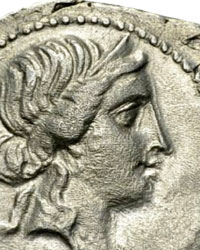
OBVERSE: SALONINA AVG, diademed, draped bust right on crescent
REVERSE: PVDICITIA, Pudicitia seated left, holding patera and sceptre. Mintmark Q
Comes with Certificate of Authenticity.
Cornelia Salonina, the wife of Emperor Gallienus, was one of the most influential and enduring empresses of the 3rd century, reigning from approximately 253 to 268 CE. During a period defined by the "Crisis of the Third Century"—a relentless cycle of plagues, invasions, and internal revolts—Salonina stood as a symbol of stability and traditional Roman virtue. She was granted the prestigious title of Augusta and later Mater Castrorum (Mother of the Camps), an honor typically reserved for empresses who accompanied their husbands on military campaigns, signaling her active role in the public and political life of the empire.
In numismatics, Salonina is celebrated for a vast and diverse output of coinage, primarily silver (and later silver-washed bronze) antoniniani. Her coins frequently highlight themes of domestic harmony and divine protection, with reverses often featuring Concordia (harmony) or Vesta. Perhaps most distinctive is her "AEQVITAS AVG" series and her association with the goddess Juno. As the economic crisis worsened and the silver content of Roman currency plummeted, her coinage provides a clear visual record of the "debasement" process, where the once-lustrous silver transitioned into the dark, copper-heavy alloys characteristic of the late 260s.
Beyond her role as a figurehead, Salonina was known for her intellectual pursuits and her rumored patronage of the Neoplatonist philosopher Plotinus. Legend suggests she and Gallienus were so moved by his teachings that they considered founding a "City of Philosophers" (Platonopolis) in Campania, though the project never came to fruition due to the pressures of war. Her life ended in tragedy during the assassination of her husband at the siege of Mediolanum (Milan). Today, her elegant portraits on ancient coins remain the primary testament to a woman who attempted to cultivate culture and dignity during one of Rome’s darkest eras.
Sådan køber du hos Catawiki
1. Opdag noget særligt
2. Afgiv det højeste bud
3. Foretag en sikker betaling