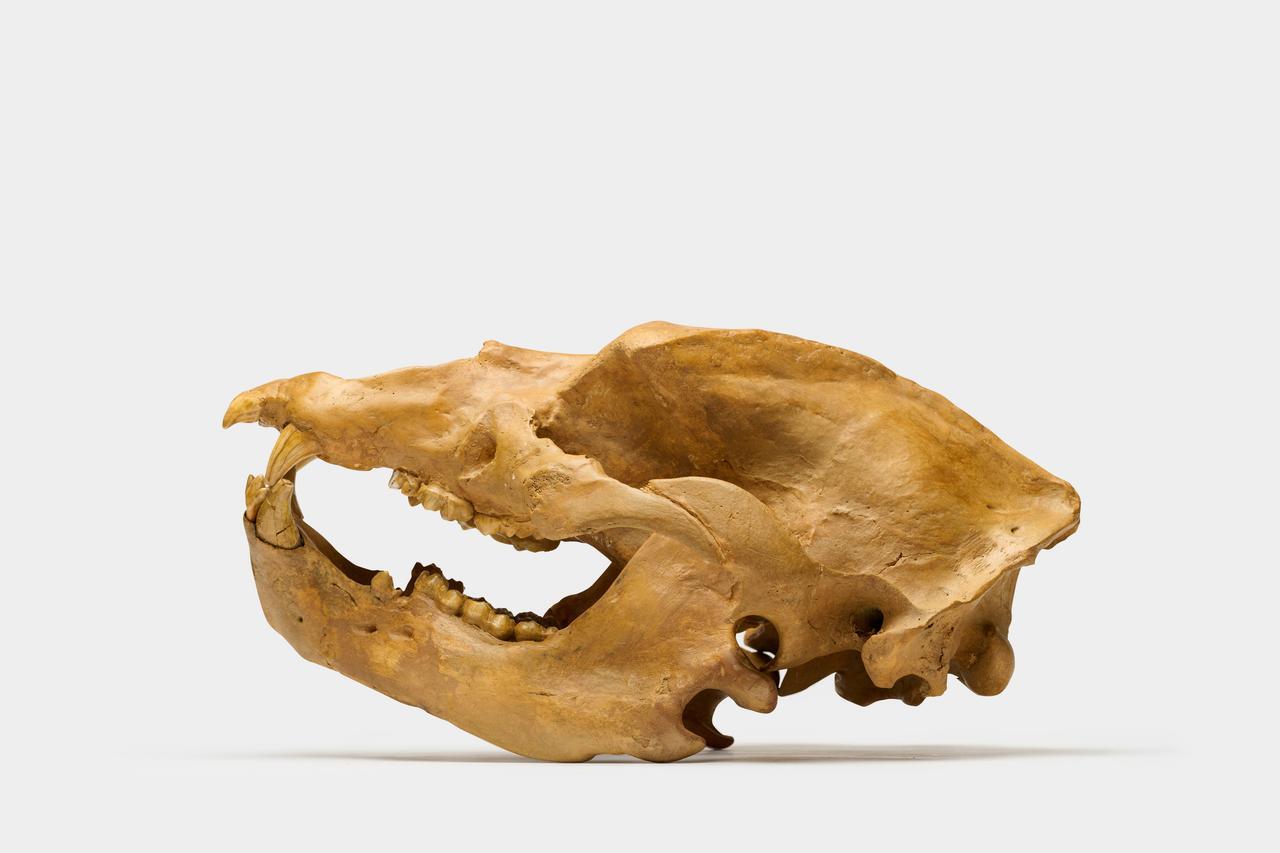
Marine krybdyr - Forstenet dyr - Keichousaurus sp. - 21 cm - 16 cm


03
dage
02
timer
41
minutter
38
sekunder

 | € 25 |
|---|
Catawikis køberbeskyttelse
Din betaling er sikker hos os, indtil du modtager din genstand.Se flere oplysninger
Trustpilot 4.4 | %{antal} anmeldelser
Bedømt som Fremragende på Trustpilot.
Keichousaurus sp., et marinem sat reptil fossil fra Trias, er naturligt, bevaret originaleksempel med målene 21 cm i højden, 16 cm i bredden og 2 cm i dybden.
AI-assisteret oversigt
Beskrivelse fra sælger
Male Keichousaurus fossil has a very protruding breastbone, the animal is about 23 cm (without bending). The general situation is abdominal type, the details are very clear and three-dimensional. Matrix:21*16*2 cm.
Keichousaurus fossil always use the grinding method to clean, but this method will destroy the original fossil structure. If sandblasting is used, the fossil has been cleaned to perfection and it will be more taught to its original skeletal shape.
Keichousaurus (key-cho-saurus) is a genus of marine reptile in the pachypleurosaur family which went extinct at the close of the Triassic in the Triassic-Jurassic extinction event. The name derives from Kweichow (now Guizhou Province) in China where the first fossil specimen was discovered in 1957. They are among the most common sauropterygian fossils recovered and are often found as nearly complete, articulated skeletons, making them popular among collectors.
Male Keichousaurus fossil has a very protruding breastbone, the animal is about 23 cm (without bending). The general situation is abdominal type, the details are very clear and three-dimensional. Matrix:21*16*2 cm.
Keichousaurus fossil always use the grinding method to clean, but this method will destroy the original fossil structure. If sandblasting is used, the fossil has been cleaned to perfection and it will be more taught to its original skeletal shape.
Keichousaurus (key-cho-saurus) is a genus of marine reptile in the pachypleurosaur family which went extinct at the close of the Triassic in the Triassic-Jurassic extinction event. The name derives from Kweichow (now Guizhou Province) in China where the first fossil specimen was discovered in 1957. They are among the most common sauropterygian fossils recovered and are often found as nearly complete, articulated skeletons, making them popular among collectors.
Detaljer
Eksemplar
Marine krybdyr
Videnskabeligt navn
Keichousaurus sp.
Geologisk periode
Trias (251,9 - 201,3 millioner år)
Stand
Naturlige
Behandling
Bevaret
Højde
21 cm
Bredde
16 cm
Dybde
2 cm
Autenticitet
Original/officiel
Solgt af