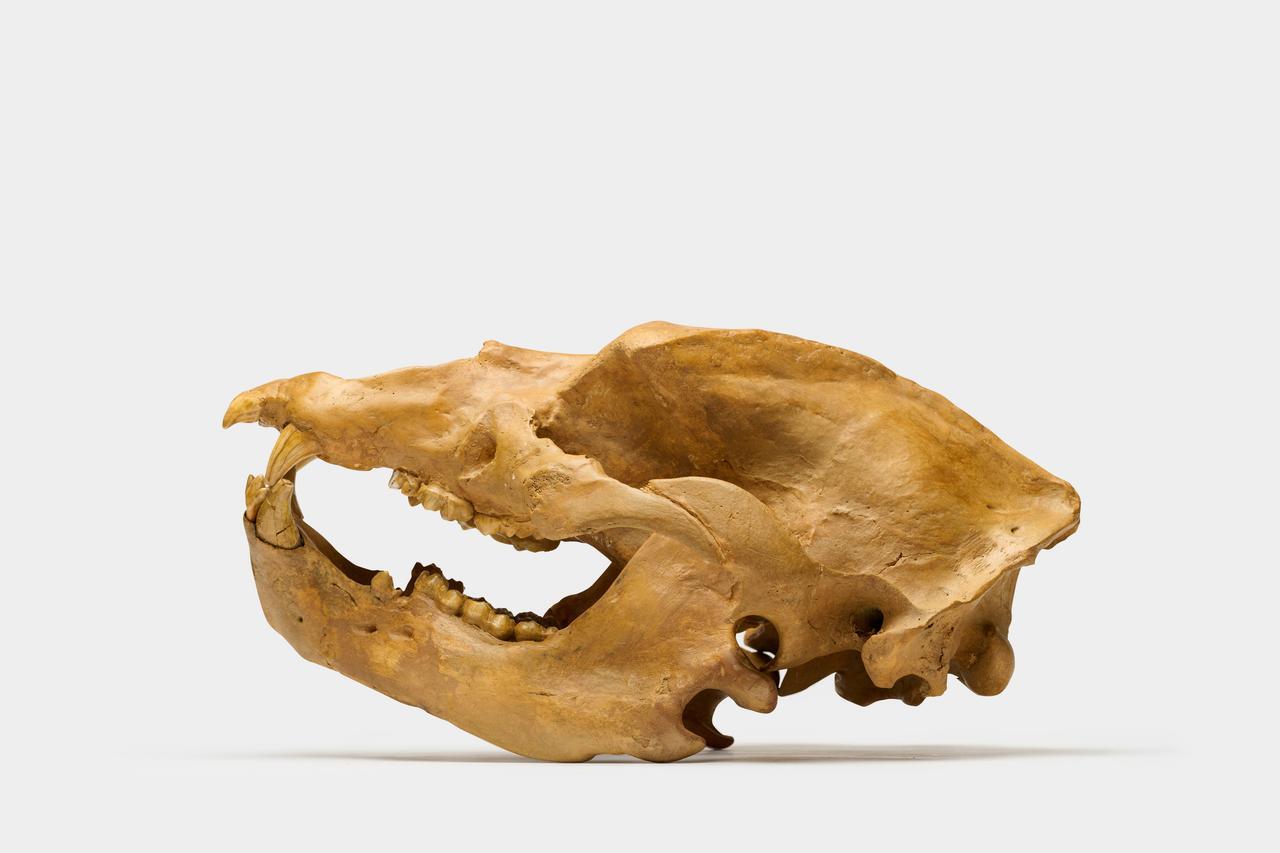
majungasaurus - Fossil tand - 2 cm


02
dage
17
timer
43
minutter
04
sekunder

Der er ikke afgivet nogen bud
Catawikis køberbeskyttelse
Din betaling er sikker hos os, indtil du modtager din genstand.Se flere oplysninger
Trustpilot 4.4 | %{antal} anmeldelser
Bedømt som Fremragende på Trustpilot.
Videnskabeligt navn †Majungasaurus crenatissimus, specimen majungasaurus fra Madagaskar, Kridtperioden Maastrichtian, tilstand Naturlig, højde 2 cm, autenticitet Original/officiel, Maevarano Formation i Mahajanga Basin; certifikat for autenticitet inkluderet.
AI-assisteret oversigt
Beskrivelse fra sælger
Scientific name: †Majungasaurus crenatissimus (Depéret, 1896) - Dinosauriefamilie: Abelisauridae - tand.
Location: Berivotra landsby nær Madagaskars nordvestlige kyst
Geological Formation: Maevarano Formation, Madagaskars
Mahajanga Basin
Alder: Sen Kridt, Maastrichtian stadie, ~72-66Ma
Størrelse 2cm
DESCRIPTION:
Nice nicely preserved specimen. Not restored or glued. Well developed carina (serrations).
Majungasaurus was a medium-sized theropod dinosaur predator, living at the end of the Cretaceous period, was one of the last dinosaurs to roam the earth.
Maevarano Geological Formation
The geological group where this tooth was found, the Maevarano Formation, located in northwestern Madagascar's Mahajanga Basin, is a Late Cretaceous geological unit known for its fluvial and floodplain deposits of sandstones, siltstones, and claystones. Formed in a semi-arid, seasonal climate, it preserves a rich fossil record, including the theropod Majungasaurus, sauropod Rapetosaurus, crocodyliforms, and early birds. Its significance lies in revealing a diverse Gondwanan ecosystem just before the K-Pg extinction, with Majungasaurus fossils showing evidence of cannibalism.
All of our fossils come with a Certificate of Authenticity. Every week, the issued Certificates of Authenticity are updated in our database verification system on our website. If you find that your certificate has not yet been updated, please contact us and we will update it immediately. Display box included.
Scientific name: †Majungasaurus crenatissimus (Depéret, 1896) - Dinosauriefamilie: Abelisauridae - tand.
Location: Berivotra landsby nær Madagaskars nordvestlige kyst
Geological Formation: Maevarano Formation, Madagaskars
Mahajanga Basin
Alder: Sen Kridt, Maastrichtian stadie, ~72-66Ma
Størrelse 2cm
DESCRIPTION:
Nice nicely preserved specimen. Not restored or glued. Well developed carina (serrations).
Majungasaurus was a medium-sized theropod dinosaur predator, living at the end of the Cretaceous period, was one of the last dinosaurs to roam the earth.
Maevarano Geological Formation
The geological group where this tooth was found, the Maevarano Formation, located in northwestern Madagascar's Mahajanga Basin, is a Late Cretaceous geological unit known for its fluvial and floodplain deposits of sandstones, siltstones, and claystones. Formed in a semi-arid, seasonal climate, it preserves a rich fossil record, including the theropod Majungasaurus, sauropod Rapetosaurus, crocodyliforms, and early birds. Its significance lies in revealing a diverse Gondwanan ecosystem just before the K-Pg extinction, with Majungasaurus fossils showing evidence of cannibalism.
All of our fossils come with a Certificate of Authenticity. Every week, the issued Certificates of Authenticity are updated in our database verification system on our website. If you find that your certificate has not yet been updated, please contact us and we will update it immediately. Display box included.
Detaljer
Eksemplar
majungasaurus
Oprindelsesland
Madagaskar
Geologisk periode
Kridttiden (145 - 66 millioner år)
Stand
Naturlige
Højde
2 cm
Autenticitet
Original/officiel
Solgt af