Αρ. 106243763

Αντικείμενα που πωλήθηκαν
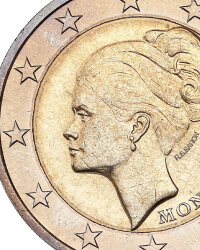
Ευρώπη. 2 Euro Various Years (4 coins with cancellation marks)  (χωρίς τιμή ασφαλείας)
Τελική προσφορά
€ 48
χωρίς τιμή ασφαλείας
πριν 3 εβδομάδες

Ευρώπη. 2 Euro Various Years (4 coins with cancellation marks) (χωρίς τιμή ασφαλείας)

Period: European Union (Euro) Year 2014 Luxembourg: Currency: Euro (face of Grand Duke Henri) Type: Circulation coins Denomination: 2 Euro Year: 2014 Bimetallic alloy. Nickel-plated brass. Cuproronickel bezel Edge inscription: serrated with concave inscription and the number 2 and two stars in a repeating sentence Shape: Round Obverse/Reverse arrangement: Not reversed Weight (g) 8.5 Diameter (mm) 25.75 Thickness (mm) 2.2 Obverse: In the center, a simplified face of Grand Duke Henri facing right; On the left, vertically in concave letters in two lines: the year of issue and: LËTZEBUERG (Luxembourg); along the edge, a ring of twelve five-pointed stars – the symbol of the European Union. On the reverse: to the left of the center, the denomination: 2, to the right: EURO; in the background of the inscription, a simplified map of Europe with the outlines of the countries – members of the European Union in 1999; in the background of the map, vertically, six parallel lines ending on both sides with five-pointed stars (the reverse is common to all euro coins). Irregularity caused by die wear; bends in the metal are visible on the coin in the form of longitudinal lines. During the minting of coins, the dies are subjected to high dynamic loads, which sometimes causesdamage in the form of cracks or even chips. Friction between the surfaces of the dies and the coin causes gradual wear of the dies. Despite appearances, mint damage of this type makes the 2014 Luxembourg 2 Euro coin highly sought after by collectors, as its uniqueness makes it interesting and often highly valuable due to its rarity and exceptional quality. An interesting and unique, very rare and unusual form of the Destructed 2 Euro Luxembourg coin from 2014 Period: European Union (Euro) 2002 France: Currency: Euro (tree on a hexagonal background) Type: Circulation coins Denomination: 2 Euro Year: 2002 Bimetallic alloy. Nickel-plated brass. Cuproronickel ring Edge inscription: serrated with concave inscription and the number 2 and two stars in a repeating sentence Shape: Round Obverse/Reverse arrangement: Not reversed Weight (g) 8.5 Diameter (mm) 25.75 Thickness (mm) 2.2 Obverse: In the field, a simplified tree on a hexagonal background; on either side of the trunk, the letters: RF (RÉPUBLIQUE FRANÇAISE - French Republic); The Republic's motto, LIBERTÉ ÉGALITÉ FRATERNITÉ (Freedom, Equality, Fraternity), is displayed along the rim; twelve five-pointed stars, the symbol of the European Union, are displayed along the edge; the lowest star divides the year of issue. On the reverse: to the left of the center, the denomination is 2, and to the right: EURO; in the background of the inscription, a simplified map of Europe with the outlines of the European Union member states in 1999; in the background of the map, vertically, six parallel lines terminating on both sides with five-pointed stars (the reverse is common to all euro coins). Irregularity caused by die wear; bends in the metal are visible on the coin in the form of longitudinal lines. During the minting of coins, the dies are subjected to high dynamic loads, which sometimes causes damage in the form of cracks or even chips. Friction between the surfaces of the dies and the coin causes gradual wear of the dies. Despite appearances, mint damage, such as these 2002 France €2 coins, is highly sought after by collectors, as its uniqueness makes it interesting and often highly valuable due to its rarity and exceptional quality. An interesting and unique, very rare and unusual form of the 2002 France €2 coi Period: European Union (Euro) 2010 Europe Currency: Euro Type: Circulation Coins Denomination: 2 Euro mint blank Year: 2010 Bimetallic alloy. Nickel-plated brass. Cuproronickel ring No inscription on the edge, no ribs on the edge of the blank Shape: Round Obverse/Reverse Arrangement: Not Reversed Weight (g) 8.5 Diameter (mm) 25.75 Thickness (mm) 2.2 No inscriptions on the obverse or reverse. Irregularity caused by die wear; metal bends in the form of longitudinal lines are visible on the coin. During the minting of coins, the dies are subjected to high dynamic loads, which sometimes causes damage in the form of cracks or even chips. Friction between the surfaces of the dies and the coin causes gradual wear of the dies. Contrary to popular belief, mint damage is highly sought after by collectors, as its unique nature makes it interesting and often highly valuable due to its rarity and exceptional quality. An interesting and unique, very rare and unusual form of the Destructed 2 Euro coin disc from 2010. Period: European Union (Euro) Year 2002- Austria Europe Currency: Euro Type: Circulation Coins Austria: Denomination: 2 Euro Year: 2002 Bimetallic alloy. Nickel-plated brass. Cuproronickel ring Edge lettering: serrated with a concave inscription reading "2 EURO" and three stars with a repeated sequence Shape: Round Obverse/Reverse Arrangement: Not inverted Weight (g) 8.5 Diameter (mm) 25.75 Thickness (mm) 2.2 Obverse: In the center, a bust of Bertha von Suttner facing left; on the left, the denomination in two lines: 2 / EURO; below, the Austrian flag; along the right edge, the year of issue; Along the edge, a ring of twelve five-pointed stars – the symbol of the European Union – is visible. On the reverse: to the left of the center, the denomination: 2, and to the right: EURO; in the background of the inscription, a simplified map of Europe with the outlines of the countries that were members of the European Union in 1999; in the background of the map, vertically, six parallel lines terminating on both sides with five-pointed stars (the reverse is common to all euro coins). Irregularity caused by die wear; the coin shows metal bends in the form of longitudinal lines. During the minting of coins, the dies are subjected to high dynamic loads, which sometimes causes damage in the form of cracks or even chips. Friction between the surfaces of the dies and the coin causes gradual wear of the dies. Contrary to appearances, mint defects make these types of Austria 2 Euro coins from 2002 highly sought after by collectors, as their uniqueness makes them interesting and often very valuable due to their rarity and exceptionality. An interesting and unique, very rare and unusual form of the Destructed Austria 2 Euro coin from 2002

Αρ. 106243763

Αντικείμενα που πωλήθηκαν
Ευρώπη. 2 Euro Various Years (4 coins with cancellation marks)  (χωρίς τιμή ασφαλείας)

Ευρώπη. 2 Euro Various Years (4 coins with cancellation marks) (χωρίς τιμή ασφαλείας)

Period: European Union (Euro) Year 2014

Luxembourg: Currency: Euro (face of Grand Duke Henri)

Type: Circulation coins

Denomination: 2 Euro

Year: 2014
Bimetallic alloy.
Nickel-plated brass.
Cuproronickel bezel

Edge inscription: serrated with concave inscription and the number 2 and two stars in a repeating sentence

Shape: Round
Obverse/Reverse arrangement: Not reversed
Weight (g) 8.5
Diameter (mm) 25.75
Thickness (mm) 2.2
Obverse: In the center, a simplified face of Grand Duke Henri facing right; On the left, vertically in concave letters in two lines: the year of issue and: LËTZEBUERG (Luxembourg); along the edge, a ring of twelve five-pointed stars – the symbol of the European Union.

On the reverse: to the left of the center, the denomination: 2, to the right: EURO; in the background of the inscription, a simplified map of Europe with the outlines of the countries – members of the European Union in 1999; in the background of the map, vertically, six parallel lines ending on both sides with five-pointed stars (the reverse is common to all euro coins).

Irregularity caused by die wear; bends in the metal are visible on the coin in the form of longitudinal lines.
During the minting of coins, the dies are subjected to high dynamic loads, which sometimes causesdamage in the form of cracks or even chips. Friction between the surfaces of the dies and the coin causes gradual wear of the dies. Despite appearances, mint damage of this type makes the 2014 Luxembourg 2 Euro coin highly sought after by collectors, as its uniqueness makes it interesting and often highly valuable due to its rarity and exceptional quality.
An interesting and unique, very rare and unusual form of the Destructed 2 Euro Luxembourg coin from 2014


Period: European Union (Euro) 2002
France: Currency: Euro (tree on a hexagonal background)
Type: Circulation coins
Denomination: 2 Euro
Year: 2002

Bimetallic alloy.
Nickel-plated brass.
Cuproronickel ring

Edge inscription: serrated with concave inscription and the number 2 and two stars in a repeating sentence

Shape: Round

Obverse/Reverse arrangement: Not reversed

Weight (g) 8.5
Diameter (mm) 25.75
Thickness (mm) 2.2
Obverse: In the field, a simplified tree on a hexagonal background; on either side of the trunk, the letters: RF (RÉPUBLIQUE FRANÇAISE - French Republic); The Republic's motto, LIBERTÉ ÉGALITÉ FRATERNITÉ (Freedom, Equality, Fraternity), is displayed along the rim; twelve five-pointed stars, the symbol of the European Union, are displayed along the edge; the lowest star divides the year of issue.

On the reverse: to the left of the center, the denomination is 2, and to the right: EURO; in the background of the inscription, a simplified map of Europe with the outlines of the European Union member states in 1999; in the background of the map, vertically, six parallel lines terminating on both sides with five-pointed stars (the reverse is common to all euro coins).
Irregularity caused by die wear; bends in the metal are visible on the coin in the form of longitudinal lines.
During the minting of coins, the dies are subjected to high dynamic loads, which sometimes causes damage in the form of cracks or even chips. Friction between the surfaces of the dies and the coin causes gradual wear of the dies. Despite appearances, mint damage, such as these 2002 France €2 coins, is highly sought after by collectors, as its uniqueness makes it interesting and often highly valuable due to its rarity and exceptional quality.
An interesting and unique, very rare and unusual form of the 2002 France €2 coi


Period: European Union (Euro) 2010
Europe Currency: Euro
Type: Circulation Coins
Denomination: 2 Euro mint blank
Year: 2010

Bimetallic alloy.
Nickel-plated brass.
Cuproronickel ring
No inscription on the edge, no ribs on the edge of the blank

Shape: Round
Obverse/Reverse Arrangement: Not Reversed
Weight (g) 8.5
Diameter (mm) 25.75
Thickness (mm) 2.2

No inscriptions on the obverse or reverse.
Irregularity caused by die wear; metal bends in the form of longitudinal lines are visible on the coin.

During the minting of coins, the dies are subjected to high dynamic loads, which sometimes causes damage in the form of cracks or even chips. Friction between the surfaces of the dies and the coin causes gradual wear of the dies. Contrary to popular belief, mint damage is highly sought after by collectors, as its unique nature makes it interesting and often highly valuable due to its rarity and exceptional quality.
An interesting and unique, very rare and unusual form of the Destructed 2 Euro coin disc from 2010.


Period: European Union (Euro) Year 2002- Austria
Europe Currency: Euro
Type: Circulation Coins
Austria: Denomination: 2 Euro
Year: 2002

Bimetallic alloy.
Nickel-plated brass.
Cuproronickel ring

Edge lettering: serrated with a concave inscription reading "2 EURO" and three stars with a repeated sequence

Shape: Round
Obverse/Reverse Arrangement: Not inverted
Weight (g) 8.5
Diameter (mm) 25.75
Thickness (mm) 2.2

Obverse: In the center, a bust of Bertha von Suttner facing left; on the left, the denomination in two lines: 2 / EURO; below, the Austrian flag; along the right edge, the year of issue; Along the edge, a ring of twelve five-pointed stars – the symbol of the European Union – is visible.

On the reverse: to the left of the center, the denomination: 2, and to the right: EURO; in the background of the inscription, a simplified map of Europe with the outlines of the countries that were members of the European Union in 1999; in the background of the map, vertically, six parallel lines terminating on both sides with five-pointed stars (the reverse is common to all euro coins).

Irregularity caused by die wear; the coin shows metal bends in the form of longitudinal lines.

During the minting of coins, the dies are subjected to high dynamic loads, which sometimes causes damage in the form of cracks or even chips. Friction between the surfaces of the dies and the coin causes gradual wear of the dies. Contrary to appearances, mint defects make these types of Austria 2 Euro coins from 2002 highly sought after by collectors, as their uniqueness makes them interesting and often very valuable due to their rarity and exceptionality.

An interesting and unique, very rare and unusual form of the Destructed Austria 2 Euro coin from 2002


Τελική προσφορά
€ 48
χωρίς τιμή ασφαλείας

Παρόμοια αντικείμενα

  • ​
    ​
    ​
  • ​
    ​
    ​
  • ​
    ​
    ​
  • ​
    ​
    ​
  • ​
    ​
    ​
  • ​
    ​
    ​
  • ​
    ​
    ​
  • ​
    ​
    ​
  • ​
    ​
    ​
  • ​
    ​
    ​

Προτείνεται για εσάς στην

Νομίσματα Ευρώ

  • ​
    ​
    ​
  • ​
    ​
    ​
  • ​
    ​
    ​
  • ​
    ​
    ​
  • ​
    ​
    ​
  • ​
    ​
    ​
  • ​
    ​
    ​
  • ​
    ​
    ​
  • ​
    ​
    ​
  • ​
    ​
    ​
Ορίστε μια ειδοποίηση αναζήτησης
Ορίστε μια ειδοποίηση αναζήτησης για να λαμβάνετε ειδοποιήσεις όταν είναι διαθέσιμα νέα αποτελέσματα.

Αυτό το αντικείμενο παρουσιάστηκε στο


Πώς να πραγματοποιήσετε αγορές στην Catawiki

Μάθετε περισσότερα σχετικά με την Προστασία Αγοραστή

      1. Ανακαλύψτε κάτι ιδιαίτερο

      Εξερευνήστε χιλιάδες ιδιαίτερα αντικείμενα, επιλεγμένα από ειδικούς. Δείτε τις φωτογραφίες, τις λεπτομέρειες και την εκτιμώμενη αξία κάθε ιδιαίτερου αντικειμένου. 

      2. Υποβάλετε την κορυφαία προσφορά

      Βρείτε κάτι που σας αρέσει και υποβάλετε την κορυφαία προσφορά. Μπορείτε να παρακολουθήσετε τη δημοπρασία μέχρι το τέλος ή να αφήσετε το σύστημά μας να υποβάλει την προσφορά για εσάς. Το μόνο που έχετε να κάνετε είναι να ορίσετε μια προσφορά για το μέγιστο ποσό που θέλετε να πληρώσετε. 

      3. Πληρώστε με ασφάλεια

      Πληρώστε για το ιδιαίτερο αντικείμενό σας και εμείς θα διατηρήσουμε την πληρωμή σας ασφαλή, μέχρι το αντικείμενο να φτάσει στα χέρια σας. Χρησιμοποιούμε ένα αξιόπιστο σύστημα πληρωμών για τη διαχείριση όλων των συναλλαγών. 

Έχετε κάτι παρόμοιο προς πώληση;

Είτε είστε νέοι στις διαδικτυακές δημοπρασίες είτε πουλάτε επαγγελματικά, μπορούμε να σας βοηθήσουμε να κερδίσετε περισσότερα για τα ιδιαίτερα αντικείμενά σας.

Πουλήστε το αντικείμενό σας