N.º 100094673

Ya no está disponible
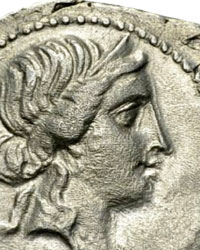
Ionia 1/24 El Gold  stater circa 625-600 BC
Pujas cerradas
Hace 19 min

Ionia 1/24 El Gold stater circa 625-600 BC

IONIA. Uncertain mint. Circa 600-550 BC. 1/24 Stater (Electrum gold, 6 mm, 0.63 g). Uncertain design Rev. Incuse punch with pellets. Electrum=elektron is een alloy of mainly gold and silver used for the first coins. Other than the literary tradition ascribing the origin of coinage to the kings of Lydia, there is little evidence for a more exact chronology of early Greek coinage. The tradition, buttressed by limited archaeological studies, does confirm Asia Minor as the place of origin, most likely Lydia or Ionia, and a date somewhere around 650-625 BC. The alloy used, a mixture of gold and silver known to the Greeks as elektron was based on the natural ore found in nugget form in many riverbeds in the region. The earliest coins were of a globular shape and without design in imitation of this natural form; later, simple striated and punched patterns of squares, rectangles, and swastikas were included. The earliest true types may have developed from the use of personal seals, the most widely known being the stater of Ephesos with a stag bearing the inscription “I am a seal of Phanes”. These devices later took on the characteristics of civic symbols, although it would be dangerous to link a specific symbol to a particular city in this early period. The most secure form of classification has been by weight standard, based on two major, and several lesser-used, standards. The Milesian standard, with a stater of roughly 14 grams, saw circulation in Lydia and parts of Ionia. The Phokaic standard of roughly 16 grams was also used in Ionia as well as Mysia. Persic, Aeginetan, and Euboic standards saw scattered use in early coinage, limited in time and extent of circulation. The intrinsic value of the early electrum, even down to the 1/96 stater, was too high for use in everyday commerce, and early coinage must have been used only for the transfer of large sums of money, such as mercantile transactions, payment of government expenses (mercenaries, tribute and such), and donatives, either for services rendered to individuals or the state, or to religious foundations. The Artemision deposits, hoards of early electrum found at the site of the temple of Artemis at Ephesos, are examples of the latter.

N.º 100094673

Ya no está disponible
Ionia 1/24 El Gold  stater circa 625-600 BC

Ionia 1/24 El Gold stater circa 625-600 BC

IONIA. Uncertain mint. Circa 600-550 BC. 1/24 Stater (Electrum gold, 6 mm, 0.63 g). Uncertain design Rev. Incuse punch with pellets.

Electrum=elektron is een alloy of mainly gold and silver used for the first coins.
Other than the literary tradition ascribing the origin of coinage to the kings of Lydia, there is little evidence for a more exact chronology of early Greek coinage. The tradition, buttressed by limited archaeological studies, does confirm Asia Minor as the place of origin, most likely Lydia or Ionia, and a date somewhere around 650-625 BC. The alloy used, a mixture of gold and silver known to the Greeks as elektron was based on the natural ore found in nugget form in many riverbeds in the region. The earliest coins were of a globular shape and without design in imitation of this natural form; later, simple striated and punched patterns of squares, rectangles, and swastikas were included. The earliest true types may have developed from the use of personal seals, the most widely known being the stater of Ephesos with a stag bearing the inscription “I am a seal of Phanes”. These devices later took on the characteristics of civic symbols, although it would be dangerous to link a specific symbol to a particular city in this early period. The most secure form of classification has been by weight standard, based on two major, and several lesser-used, standards. The Milesian standard, with a stater of roughly 14 grams, saw circulation in Lydia and parts of Ionia. The Phokaic standard of roughly 16 grams was also used in Ionia as well as Mysia. Persic, Aeginetan, and Euboic standards saw scattered use in early coinage, limited in time and extent of circulation. The intrinsic value of the early electrum, even down to the 1/96 stater, was too high for use in everyday commerce, and early coinage must have been used only for the transfer of large sums of money, such as mercantile transactions, payment of government expenses (mercenaries, tribute and such), and donatives, either for services rendered to individuals or the state, or to religious foundations. The Artemision deposits, hoards of early electrum found at the site of the temple of Artemis at Ephesos, are examples of the latter.

Pujas cerradas
Carmen Vera Gutiérrez
Experto
Estimación  € 200 - € 220

Objetos similares

Para ti en

Monedas antiguas

Configura una alerta de búsqueda
Configura una alerta de búsqueda para recibir notificaciones cuando haya nuevas coincidencias disponibles.

Este objeto apareció en


Cómo comprar en Catawiki

Más información sobre nuestra Protección del Comprador

      1. Descubre algo especial

      Explora miles de objetos especiales seleccionados por expertos. Mira las fotos, los detalles y el valor estimado de cada objeto especial. 

      2. Haz la puja más alta

      Encuentra algo especial y haz la puja más alta. Puedes seguir la subasta hasta el final o dejar que nuestro sistema puje por ti. Todo lo que tienes que hacer es fijar una puja máxima con la cantidad máxima que quieres pagar. 

      3. Paga de manera segura

      Paga tu objeto especial y nosotros retendremos el pago hasta que el objeto te llegue en perfecto estado. Utilizamos un sistema de pago de confianza para gestionar las transacciones. 

¿Tienes algo similar para vender?

Tanto si las subastas online son algo nuevo para ti como si vendes profesionalmente, podemos ayudarte a ganar más por tus objetos especiales.

Vender objeto