Pende mask - Pende - R.D. Congo
04
días
17
horas
35
minutos
03
segundos
Puja actual
€ 1
Precio de reserva no alcanzado

Experto
Seleccionado por Dimitri André
Posee un título de posgrado en Estudios Africanos y 15 años de experiencia en Arte Africano.
Estimación € 220 - € 250
4 personas más están mirando este objeto
 Pujador 6228 Pujador 6228 | 1 € |
|---|
Protección del Comprador de Catawiki
Tu pago está protegido con nosotros hasta que recibas tu objeto.Ver detalles
Trustpilot 4.4 | 124896 valoraciones
Valoración Excelente en Trustpilot.
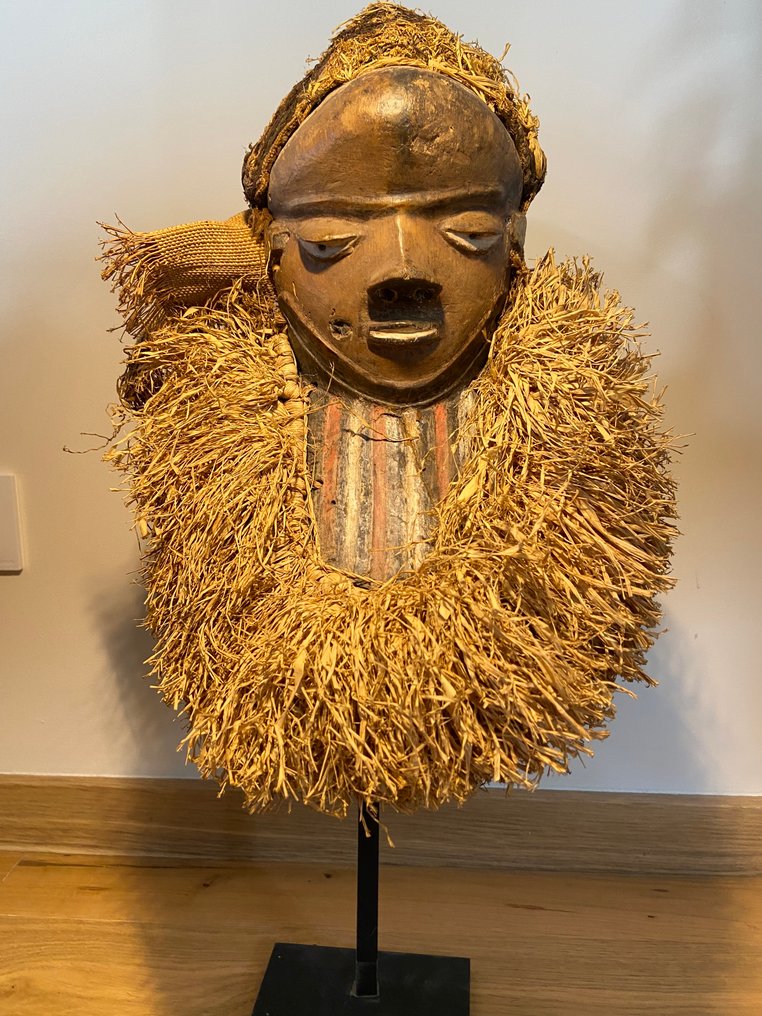
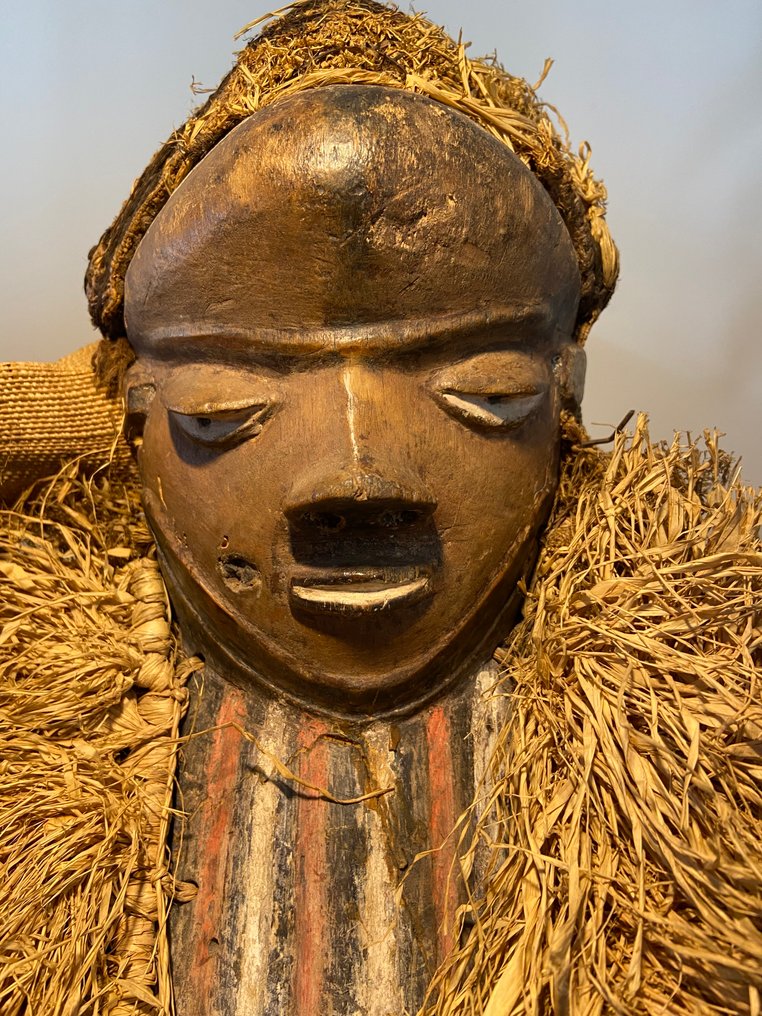
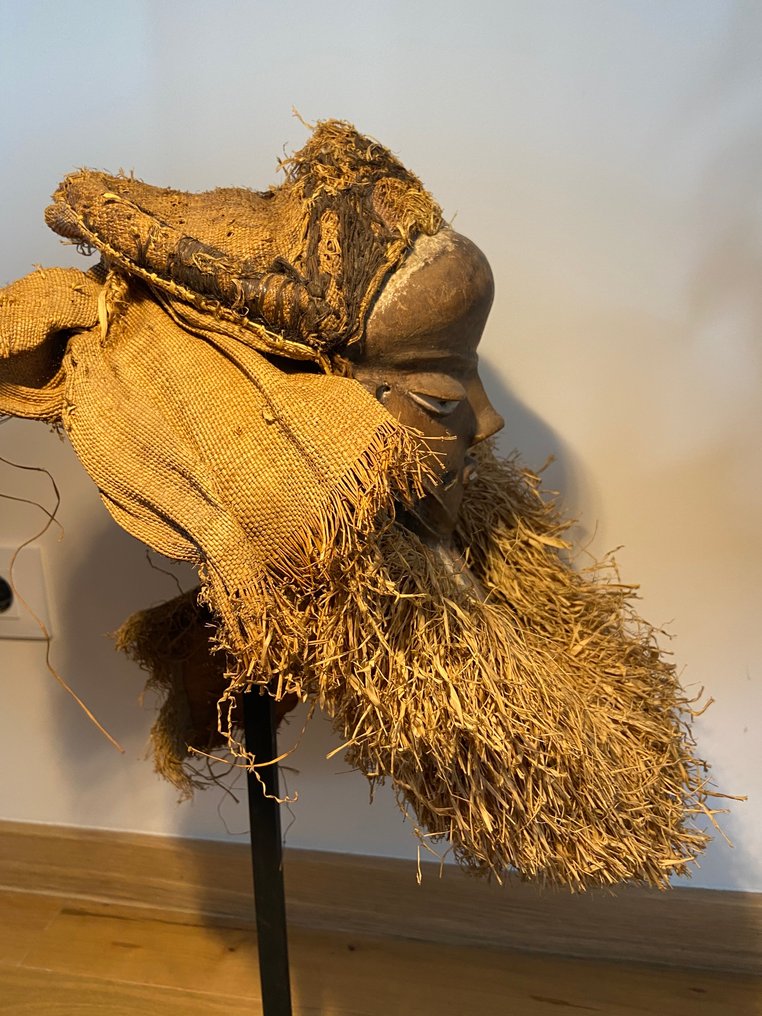
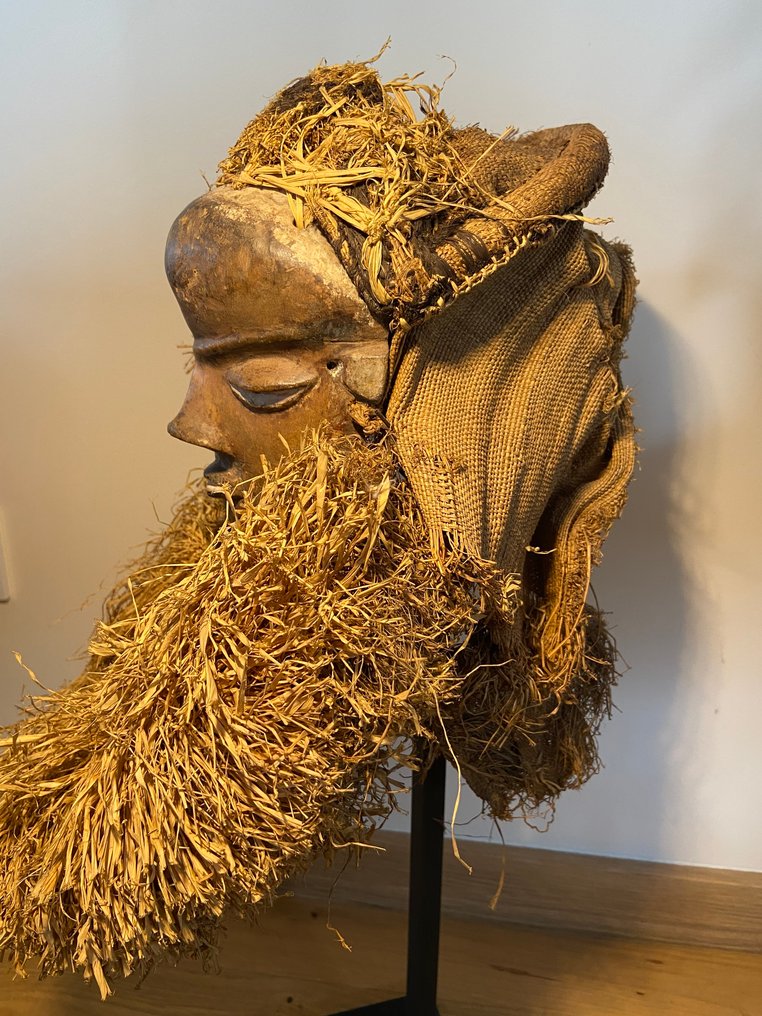
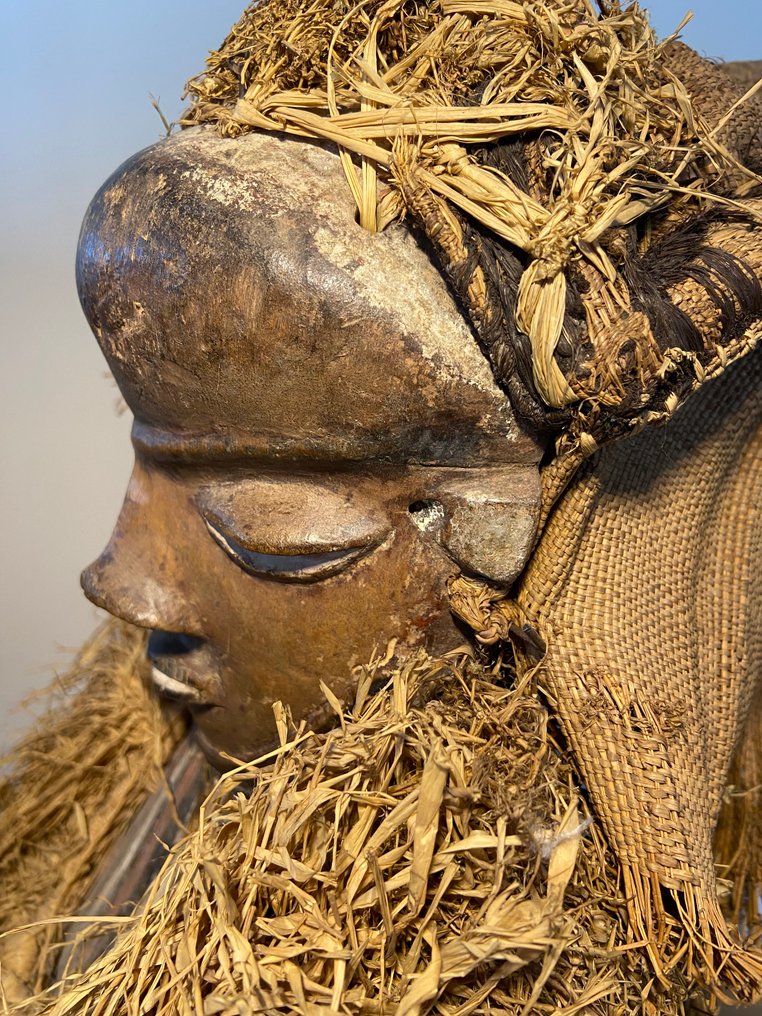
Máscara Pende, escultura de madera de 42 cm procedente de la República Democrática del Congo, realizada por los Pende, datada a finales del siglo XX, en buen estado, procedencia Berthe Hartert, Barcelona y Argiles Collection, Barcelona; vendida sin soporte.
Resumen redactado con la ayuda de la IA
Descripción del vendedor
Much speculation has been devoted to the interpretation of the projection extending from the chin on these masks. Most Westerners have assumed that it represents a beard. This assumption always amazes the Pende, who rarely see beards longer than two inches. The technical name for the projection is “gilanga,” but Pende sculptors in the center jokingly call it “snout” (mutumbi). If possible, the Pende like to wait one or two nights before burying their dead. The women wash the body, lay it out, and cover it with a sheet. In the past, this sheet was made of raffia cloth, but later it was replaced by white cotton cloth. In the past, they sometimes pulled the sheet up to the chin and cut a strip of cloth to cover the mouth and keep it closed. In this case, the chin was exposed. The representation of a corpse explains the half-open eyes, with their unfocused gaze. The elegant abstraction of the body explains the shape of the projection, which in many cases curves upward at the end as the feet would. The mouth is half-open. For esthetic reasons, the artists have chosen to reinforce the jawline with the end of the covering sheet and depict the mouth without the line of fabric.
Provenance: Berthe Hartert, Barcelona
Argiles Collection, Barcelona
Much speculation has been devoted to the interpretation of the projection extending from the chin on these masks. Most Westerners have assumed that it represents a beard. This assumption always amazes the Pende, who rarely see beards longer than two inches. The technical name for the projection is “gilanga,” but Pende sculptors in the center jokingly call it “snout” (mutumbi). If possible, the Pende like to wait one or two nights before burying their dead. The women wash the body, lay it out, and cover it with a sheet. In the past, this sheet was made of raffia cloth, but later it was replaced by white cotton cloth. In the past, they sometimes pulled the sheet up to the chin and cut a strip of cloth to cover the mouth and keep it closed. In this case, the chin was exposed. The representation of a corpse explains the half-open eyes, with their unfocused gaze. The elegant abstraction of the body explains the shape of the projection, which in many cases curves upward at the end as the feet would. The mouth is half-open. For esthetic reasons, the artists have chosen to reinforce the jawline with the end of the covering sheet and depict the mouth without the line of fabric.
Provenance: Berthe Hartert, Barcelona
Argiles Collection, Barcelona
Datos
N.º de artículos
1
Grupo étnico/cultura
Pende
País de origen
R.D. Congo
Periodo estimado
Finales del siglo XX
Material
Madera
Sold with stand
No
Estado
En buen estado
Título de la obra de arte
Pende mask
Alto
42 cm
Vendido por
