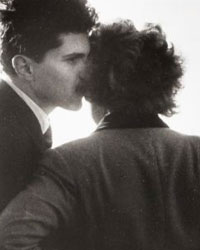
Zoltán Glass (1903-1981) - Nude Study, c.1950


03
días
07
horas
05
minutos
44
segundos
Empezar a pujar
€ 1
Sin precio de reserva

Experto
Seleccionado por Kai Brückner
Más de 35 años de experiencia; ex propietario de galería y curador en Museum Folkwang.
Estimación € 150 - € 200
No hay ninguna puja
Protección del Comprador de Catawiki
Tu pago está protegido con nosotros hasta que recibas tu objeto.Ver detalles
Trustpilot 4.4 | 142824 valoraciones
Valoración Excelente en Trustpilot.
Descripción del vendedor
Nude Study, c.1950, gelatin silver print, with copyright stamps of the photographer (verso), and original editorial scratching/retouching marks to the model's body on the print surface (recto).
In good condition, slight creases and light corner bumps, trace of paperclip on the left. Yellowish areas near the top edge. Please check the scans for details.
Zoltán Glass (1903–1982) was a Hungarian-born photographer active in Berlin during the 1920s and 1930s, working across modernist advertising, sport, and figure studies. Although best known for his dynamic industrial and automotive imagery, Glass also produced refined photographs of the human body, treating the nude with the same clarity, structure, and modern visual discipline found in the work of contemporaries such as László Moholy-Nagy, Rudolf Koppitz, and Albert Renger-Patzsch. His photographs reflect the wider world of Bauhaus, Neue Sachlichkeit, and interwar European modernism, combining elegance, formal control, and a distinctly machine-age sense of design. Today, Zoltán Glass is regarded as an important figure in early 20th-century modernist photography, spanning both commercial imagery and the stylised representation of the body.
El vendedor y su historia
Los licitadores internacionales son muy bienvenidos.
Tenga en cuenta que los envíos a destinos fuera del territorio aduanero de la UE y/o fuera del área del IVA de la UE pueden estar sujetos a derechos de aduana, impuestos locales, tasas de despacho de aduanas u otros cargos relacionados con la importación.
Dichos cargos no están incluidos en el precio de compra ni en los costos de envío y, cuando corresponda, son responsabilidad del comprador.
Se recomienda a los compradores que tengan en cuenta cualquier posible costo de importación antes de pujar.
Traducido por el Traductor de GoogleNude Study, c.1950, gelatin silver print, with copyright stamps of the photographer (verso), and original editorial scratching/retouching marks to the model's body on the print surface (recto).
In good condition, slight creases and light corner bumps, trace of paperclip on the left. Yellowish areas near the top edge. Please check the scans for details.
Zoltán Glass (1903–1982) was a Hungarian-born photographer active in Berlin during the 1920s and 1930s, working across modernist advertising, sport, and figure studies. Although best known for his dynamic industrial and automotive imagery, Glass also produced refined photographs of the human body, treating the nude with the same clarity, structure, and modern visual discipline found in the work of contemporaries such as László Moholy-Nagy, Rudolf Koppitz, and Albert Renger-Patzsch. His photographs reflect the wider world of Bauhaus, Neue Sachlichkeit, and interwar European modernism, combining elegance, formal control, and a distinctly machine-age sense of design. Today, Zoltán Glass is regarded as an important figure in early 20th-century modernist photography, spanning both commercial imagery and the stylised representation of the body.
El vendedor y su historia
Los licitadores internacionales son muy bienvenidos.
Tenga en cuenta que los envíos a destinos fuera del territorio aduanero de la UE y/o fuera del área del IVA de la UE pueden estar sujetos a derechos de aduana, impuestos locales, tasas de despacho de aduanas u otros cargos relacionados con la importación.
Dichos cargos no están incluidos en el precio de compra ni en los costos de envío y, cuando corresponda, son responsabilidad del comprador.
Se recomienda a los compradores que tengan en cuenta cualquier posible costo de importación antes de pujar.
Traducido por el Traductor de GoogleDatos
Artista
Zoltán Glass (1903-1981)
Vendido por
Propietario o revendedor
Título de la obra
Nude Study, c.1950
Estado
Bien Conservada BC
Técnica
Impresión en gelatina de plata
Alto
25 cm
Ancho
18,5 cm
Firma
Con sello
Tema
Desnudo
Vendido por