N.º 97846474

Ya no está disponible
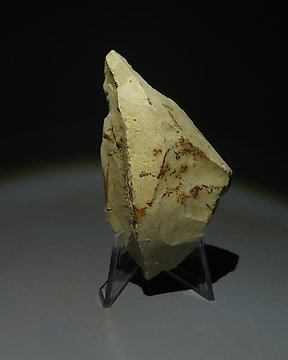
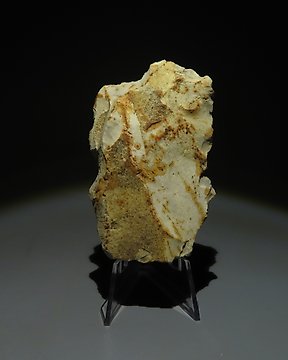
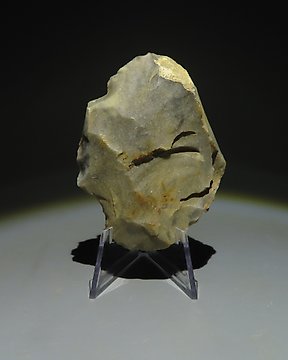
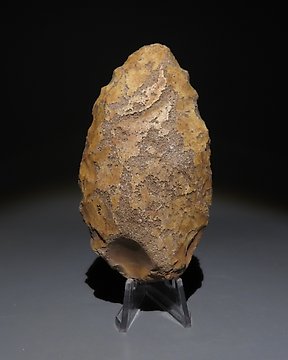
Ancient Greece, terracotta fragment head representing Hermes, part of a brazier structure - 10 cm
Pujas cerradas
Hace 12 semanas

Ancient Greece, terracotta fragment head representing Hermes, part of a brazier structure - 10 cm

This terracotta fragment representing Hermes, dated to the 2nd century BC, belongs to the Greco-Archaic artistic tradition and was part of the structure of a portable brazier used in the kitchen or in domestic spaces in Ancient Greece. It depicts a bearded male face with a conical headdress (pilos), framed by a rectangular relief. Such decorative supports were common in molded braziers from the Hellenistic period, where male heads, possibly of divinities or mythical figures, served as both structural and decorative elements. Portable braziers were essential devices in Greek homes, used both for cooking food and for heating rooms. They were characterized by a high pedestal with ventilation openings at the bottom, allowing air to fan the flames. At the top, they had three molded supports—like the fragment presented here—on which cooking vessels were placed, designed with concave bottoms to fit perfectly into the structure. The design of this stand with a bearded head and pilos not only had a functional purpose, but could also have a symbolic or protective charge. In Greek culture, images of long beards and conical headdresses are often associated with gods, heroes or magical figures, such as Hephaestus, the god of fire and the forge, or even representations of wise and protective figures. Acquired from a Spanish private collection, F.C.B in the 70's. - The piece includes an authenticity certificate. The Seller can prove that the lot was obtained legally. Important information. The seller guarantees that he is entitled to ship this lot. The seller will take care that any necessary permits will be arranged, this process can take between 2 and 4 weeks. IMPORTANT: Due to the new laws on the export of archaeological pieces, we have decided to NO LONGER sell outside the European territory for the following countries: SWITZERLAND & UNITED STATES of AMERICA. For other destinations out of European territory: all our items will be shipped after obtaining a definitive LICENSE EXPORTATION by the Ministry of Culture of Spain. We inform our clients that it may take between 4-8 weeks. According to Spanish legislation, items sent outside the European Union are subjected to export taxes. The taxes will be added to the invoice, at the buyer's expense. These export fees are fixed on the final auction price and the tax rate is not applied directly on the total value of the item to be exported, but rather the different percentages by sections are applied to it: Up to 6,000 euros: 5%. / From 6.001 to 60.000 euros: 10 %.

N.º 97846474

Ya no está disponible
Ancient Greece, terracotta fragment head representing Hermes, part of a brazier structure - 10 cm

Ancient Greece, terracotta fragment head representing Hermes, part of a brazier structure - 10 cm

This terracotta fragment representing Hermes, dated to the 2nd century BC, belongs to the Greco-Archaic artistic tradition and was part of the structure of a portable brazier used in the kitchen or in domestic spaces in Ancient Greece. It depicts a bearded male face with a conical headdress (pilos), framed by a rectangular relief. Such decorative supports were common in molded braziers from the Hellenistic period, where male heads, possibly of divinities or mythical figures, served as both structural and decorative elements.

Portable braziers were essential devices in Greek homes, used both for cooking food and for heating rooms. They were characterized by a high pedestal with ventilation openings at the bottom, allowing air to fan the flames. At the top, they had three molded supports—like the fragment presented here—on which cooking vessels were placed, designed with concave bottoms to fit perfectly into the structure.

The design of this stand with a bearded head and pilos not only had a functional purpose, but could also have a symbolic or protective charge. In Greek culture, images of long beards and conical headdresses are often associated with gods, heroes or magical figures, such as Hephaestus, the god of fire and the forge, or even representations of wise and protective figures.

Acquired from a Spanish private collection, F.C.B in the 70's.
- The piece includes an authenticity certificate.

The Seller can prove that the lot was obtained legally. Important information. The seller guarantees that he is entitled to ship this lot. The seller will take care that any necessary permits will be arranged, this process can take between 2 and 4 weeks.

IMPORTANT: Due to the new laws on the export of archaeological pieces, we have decided to NO LONGER sell outside the European territory for the following countries: SWITZERLAND & UNITED STATES of AMERICA.
For other destinations out of European territory: all our items will be shipped after obtaining a definitive LICENSE EXPORTATION by the Ministry of Culture of Spain. We inform our clients that it may take between 4-8 weeks. According to Spanish legislation, items sent outside the European Union are subjected to export taxes. The taxes will be added to the invoice, at the buyer's expense. These export fees are fixed on the final auction price and the tax rate is not applied directly on the total value of the item to be exported, but rather the different percentages by sections are applied to it:
Up to 6,000 euros: 5%. / From 6.001 to 60.000 euros: 10 %.

Pujas cerradas
Ruth Garrido Vila
Experto
Estimación  € 850 - € 1.000

Objetos similares

Para ti en

Arqueología

Configura una alerta de búsqueda
Configura una alerta de búsqueda para recibir notificaciones cuando haya nuevas coincidencias disponibles.

Este objeto apareció en


Cómo comprar en Catawiki

Más información sobre nuestra Protección del Comprador

      1. Descubre algo especial

      Explora miles de objetos especiales seleccionados por expertos. Mira las fotos, los detalles y el valor estimado de cada objeto especial. 

      2. Haz la puja más alta

      Encuentra algo especial y haz la puja más alta. Puedes seguir la subasta hasta el final o dejar que nuestro sistema puje por ti. Todo lo que tienes que hacer es fijar una puja máxima con la cantidad máxima que quieres pagar. 

      3. Paga de manera segura

      Paga tu objeto especial y nosotros retendremos el pago hasta que el objeto te llegue en perfecto estado. Utilizamos un sistema de pago de confianza para gestionar las transacciones. 

¿Tienes algo similar para vender?

Tanto si las subastas online son algo nuevo para ti como si vendes profesionalmente, podemos ayudarte a ganar más por tus objetos especiales.

Vender objeto