Fran Gonzalez 1959 (Contemporary Gilding) - Fontana Quadrata


04
días
08
horas
02
minutos
12
segundos
Empezar a pujar
€ 1
Precio de reserva no alcanzado

Experto
Seleccionado por Egidio Emiliano Bianco
Tiene una licenciatura en historia del arte y una maestría en gestión artística y cultural.
Estimación € 500 - € 600
No hay ninguna puja
Protección del Comprador de Catawiki
Tu pago está protegido con nosotros hasta que recibas tu objeto.Ver detalles
Trustpilot 4.4 | 122529 valoraciones
Valoración Excelente en Trustpilot.
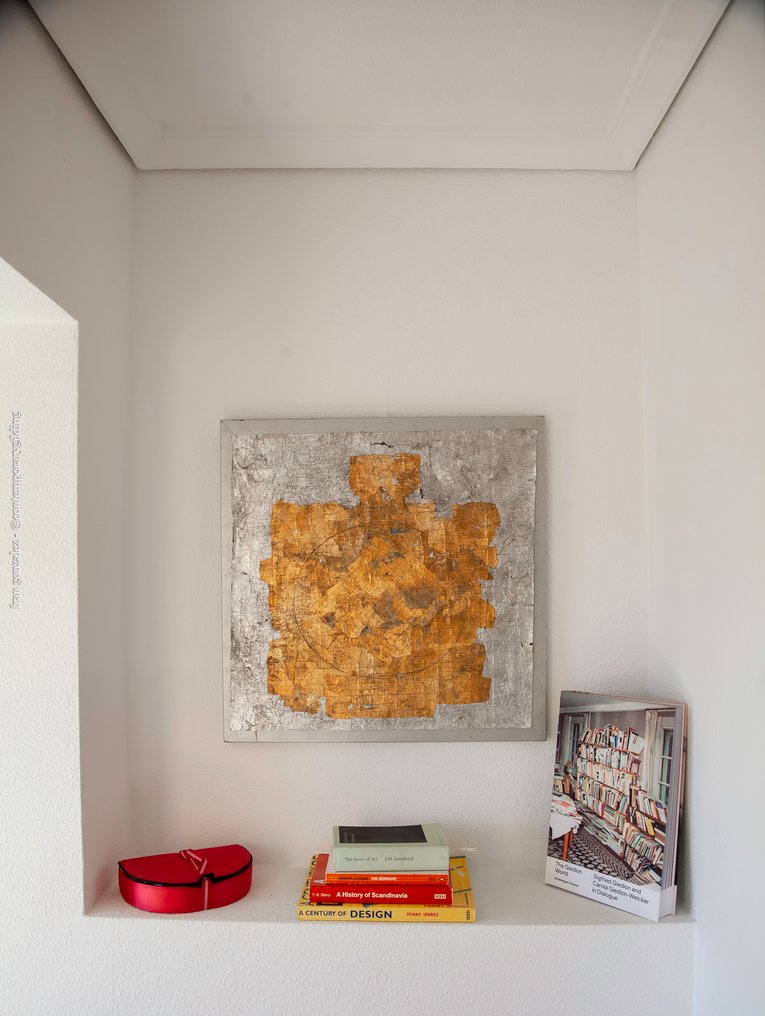
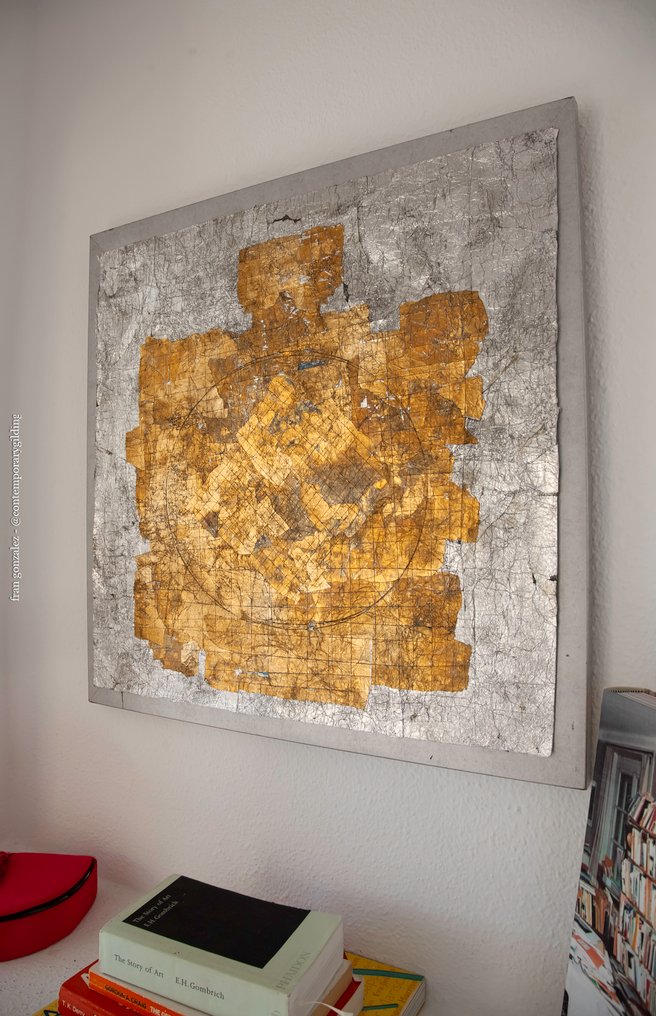
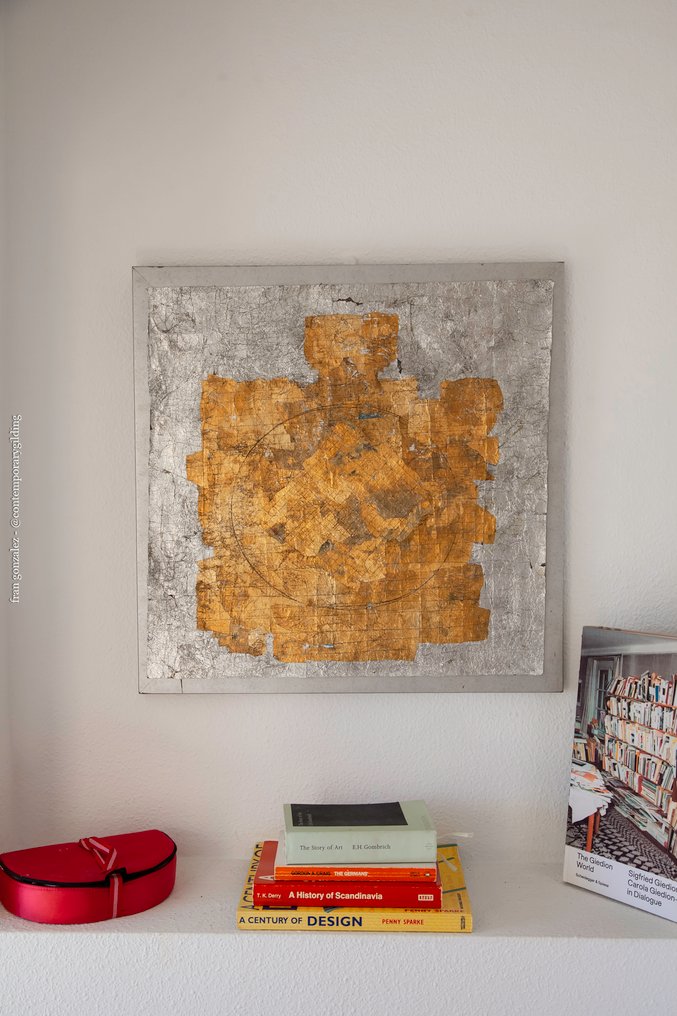
Fran González (1959) presenta 'Fontana Quadrata', dorado contemporáneo sobre lienzo de 2024, edición original, 53 × 54 cm, firmada a mano en el reverso.
Resumen redactado con la ayuda de la IA
Descripción del vendedor
Título: "Fontana Quadrata"
Tema: Perteneciente a la Serie de Homenage al Art Déco y el Futurismo.
Hecha con pan de oro de imitación sobre hoja de aluminio pegado a una base de papel de alto gramaje, la obra posee una gran riqueza de texturas y calidades. Potente y elegante, "Fonta Quadrata" es adecuada para cualquier proyecto interior de lujo. Realizada con pan de oro de imitación, texturizado con varias técnicas exclusivas y aplicado sobre papel de alto gramaje y hoja de aluminio.
-------
*AVISO: Por favor, tenga en cuenta que los envíos fuera de Europa pueden incurrir en gastos extra de impuestos de aduanas y que su pago será responsabilidad del comprador.
-------
Sobre las técnicas de dorado: La técnica de dorado tradicional consiste en la aplicación de hojas muy finas de metal (oro, plata, oro de imitación (es decir bronce), aluminio, cobre, etc.) sobre cualquier superficie artística (papel, madera, metal, cerámica, textiles, etc.)
------
Dorado Contemporáneo (Contemporary Gilding): Las técnicas de dorado contemporáneo son únicas y exclusivas de Fran González y proceden de la filosofía experimental del arte contemporáneo del siglo XX., que ha sido desarrolladas a lo largo de más de 40 años de carrera profesional, y que aportan a las obras unas calidades que produce que irradie una luz mágica que impregna el espacio en el que se expone.
-------
Técnica: Dorado sobre Lienzo: aplicación de varias capas de pan de oro de imitación texturizado con ácidos y aplicado sobre lienzo sintético de primera calidad.
Envío: embalaje enrollado protegido
Medidas: 53x54 cm.
Firmado a mano en reverso Fran González, @contemporarygilding
Año 2024
-------
Sobre Fran González (resumen):
Fran González es un artista Español nacido en Almería en 1959. Su trayectoria comenzó en 1982 cuando después de realizar estudios de Ingeniería en la Universidad Politécnica de Madrid, decidió dedicarse a tiempo completo a la Escultura y la Cerámica.
Realizó estudios de Arte en la Escuela de Bellas Artes de Madrid, Escuela Oficial de Cerámica de Madrid y diversos Talleres de Arte Actual en el Circulo de Bellas Artes de Madrid con Artistas Contemporáneos tan relevantes como Julian Schnabel, Eva Lootz, Juan Hidalgo y Valcárcel Medina.
Aunque su desarrollo ha sido principalmente autodidacta, Fran González ha conseguido desde el inicio de su carrera diversos premios y reconocimientos tanto a nivel nacional como internacional. Gracias a haber residido en diversos países europeos sus obras se encuentran en numerosas colecciones privadas de Francia, Holanda, Alemania, Bélgica, Italia, Suecia, Reino Unido e Irlanda y EEUU.
Información mas extensa sobre su obra y trayectoria se puede encontrar usando Google con los tags "Fran Gonzalez" y "Contemporary Gilding".
-------
In the Media:
Article about FG in European Crafts Portal "Mad´in Europe:
"Francisco González Calleja is a ceramist and contemporary gilder whose practice bridges traditional craftsmanship and innovative technique. With over four decades of experience, his work reflects an ongoing dialogue between material, process, and inspiration. His primary gilding method, used around 80% of the time, is water gilding, which he chooses for its lower toxicity and sustainability, especially when working indoors.
“In the winter, you can’t always open windows for proper ventilation,” he explains. “Water-based mixtion is safer to use and more comfortable over long periods.”
Mixtion, the adhesive used in gilding, can be either oil or water-based. While both offer similar technical results, Francisco notes that the drying time and finish vary, and ultimately, the choice depends on the intended outcome. Water gilding, in particular, works better on shiny surfaces such as ceramics, glass, plastics, or soft enamel. However, the process is rarely linear. He often finds himself repeating steps multiple times, especially when working with textured surfaces.
“Sometimes I redo a surface seven times. Sometimes I have to leave it for months and come back to it. That’s part of the process.”
A maker by nature
Francisco describes himself as someone who constantly needs to work with his hands, not just in the studio, but in all aspects of life. He cooks, grows vegetables, bakes bread, and surrounds himself with tactile experiences. His creative process is exploratory and nonlinear. He rarely begins with a single idea; instead, he describes it as a “cloud of ideas”that evolve through experimentation. “I find 10 different ways to approach a problem. I test them all. Most of the time, they work, I’ve been lucky that way.”
When he finds himself limited by the cost of materials like gold or silver, he turns to alternatives such as aluminum, and approaches each new medium by first investigating its technical compatibility. For structural needs, he uses epoxy to combine aluminum with glass or ceramics. His work often takes shape through trial and error, a process he links to planting seeds in a garden and waiting patiently for them to bear fruit.
Historical roots and cultural layers
Much of Francisco’s work draws inspiration from archaeological artefacts and ancient cultures. Whether it’s the Greeks, Etruscans, Phoenicians, Romans, or the rich hybrid culture of the Moors in Spain, his fascination lies not just in the forms and techniques of the past, but in the emotional resonance they carry. This emotional depth informs not only his ceramics and gilded objects but also his evolving work in jewellery design.
The transition into jewellery came from a simple question he and Lula would often ask: How did people first begin to wear decorative objects?
This curiosity led him to prehistoric origins, and gradually, toward experimenting with new materials and forms."
Título: "Fontana Quadrata"
Tema: Perteneciente a la Serie de Homenage al Art Déco y el Futurismo.
Hecha con pan de oro de imitación sobre hoja de aluminio pegado a una base de papel de alto gramaje, la obra posee una gran riqueza de texturas y calidades. Potente y elegante, "Fonta Quadrata" es adecuada para cualquier proyecto interior de lujo. Realizada con pan de oro de imitación, texturizado con varias técnicas exclusivas y aplicado sobre papel de alto gramaje y hoja de aluminio.
-------
*AVISO: Por favor, tenga en cuenta que los envíos fuera de Europa pueden incurrir en gastos extra de impuestos de aduanas y que su pago será responsabilidad del comprador.
-------
Sobre las técnicas de dorado: La técnica de dorado tradicional consiste en la aplicación de hojas muy finas de metal (oro, plata, oro de imitación (es decir bronce), aluminio, cobre, etc.) sobre cualquier superficie artística (papel, madera, metal, cerámica, textiles, etc.)
------
Dorado Contemporáneo (Contemporary Gilding): Las técnicas de dorado contemporáneo son únicas y exclusivas de Fran González y proceden de la filosofía experimental del arte contemporáneo del siglo XX., que ha sido desarrolladas a lo largo de más de 40 años de carrera profesional, y que aportan a las obras unas calidades que produce que irradie una luz mágica que impregna el espacio en el que se expone.
-------
Técnica: Dorado sobre Lienzo: aplicación de varias capas de pan de oro de imitación texturizado con ácidos y aplicado sobre lienzo sintético de primera calidad.
Envío: embalaje enrollado protegido
Medidas: 53x54 cm.
Firmado a mano en reverso Fran González, @contemporarygilding
Año 2024
-------
Sobre Fran González (resumen):
Fran González es un artista Español nacido en Almería en 1959. Su trayectoria comenzó en 1982 cuando después de realizar estudios de Ingeniería en la Universidad Politécnica de Madrid, decidió dedicarse a tiempo completo a la Escultura y la Cerámica.
Realizó estudios de Arte en la Escuela de Bellas Artes de Madrid, Escuela Oficial de Cerámica de Madrid y diversos Talleres de Arte Actual en el Circulo de Bellas Artes de Madrid con Artistas Contemporáneos tan relevantes como Julian Schnabel, Eva Lootz, Juan Hidalgo y Valcárcel Medina.
Aunque su desarrollo ha sido principalmente autodidacta, Fran González ha conseguido desde el inicio de su carrera diversos premios y reconocimientos tanto a nivel nacional como internacional. Gracias a haber residido en diversos países europeos sus obras se encuentran en numerosas colecciones privadas de Francia, Holanda, Alemania, Bélgica, Italia, Suecia, Reino Unido e Irlanda y EEUU.
Información mas extensa sobre su obra y trayectoria se puede encontrar usando Google con los tags "Fran Gonzalez" y "Contemporary Gilding".
-------
In the Media:
Article about FG in European Crafts Portal "Mad´in Europe:
"Francisco González Calleja is a ceramist and contemporary gilder whose practice bridges traditional craftsmanship and innovative technique. With over four decades of experience, his work reflects an ongoing dialogue between material, process, and inspiration. His primary gilding method, used around 80% of the time, is water gilding, which he chooses for its lower toxicity and sustainability, especially when working indoors.
“In the winter, you can’t always open windows for proper ventilation,” he explains. “Water-based mixtion is safer to use and more comfortable over long periods.”
Mixtion, the adhesive used in gilding, can be either oil or water-based. While both offer similar technical results, Francisco notes that the drying time and finish vary, and ultimately, the choice depends on the intended outcome. Water gilding, in particular, works better on shiny surfaces such as ceramics, glass, plastics, or soft enamel. However, the process is rarely linear. He often finds himself repeating steps multiple times, especially when working with textured surfaces.
“Sometimes I redo a surface seven times. Sometimes I have to leave it for months and come back to it. That’s part of the process.”
A maker by nature
Francisco describes himself as someone who constantly needs to work with his hands, not just in the studio, but in all aspects of life. He cooks, grows vegetables, bakes bread, and surrounds himself with tactile experiences. His creative process is exploratory and nonlinear. He rarely begins with a single idea; instead, he describes it as a “cloud of ideas”that evolve through experimentation. “I find 10 different ways to approach a problem. I test them all. Most of the time, they work, I’ve been lucky that way.”
When he finds himself limited by the cost of materials like gold or silver, he turns to alternatives such as aluminum, and approaches each new medium by first investigating its technical compatibility. For structural needs, he uses epoxy to combine aluminum with glass or ceramics. His work often takes shape through trial and error, a process he links to planting seeds in a garden and waiting patiently for them to bear fruit.
Historical roots and cultural layers
Much of Francisco’s work draws inspiration from archaeological artefacts and ancient cultures. Whether it’s the Greeks, Etruscans, Phoenicians, Romans, or the rich hybrid culture of the Moors in Spain, his fascination lies not just in the forms and techniques of the past, but in the emotional resonance they carry. This emotional depth informs not only his ceramics and gilded objects but also his evolving work in jewellery design.
The transition into jewellery came from a simple question he and Lula would often ask: How did people first begin to wear decorative objects?
This curiosity led him to prehistoric origins, and gradually, toward experimenting with new materials and forms."
Datos
Artista
Fran Gonzalez 1959 (Contemporary Gilding)
Se vende con marco
No
Vendido por
Directamente del artista
Edición
Original
Título de la obra
Fontana Quadrata
Técnica
Técnica mixta
Firma
Firmado a mano
País de origen
España
Año
2024
Estado
En excelente estado
Alto
53 cm
Ancho
54 cm
Peso
1 kg
Representación/tema
Paisaje
Estilo
Abstracto
Periodo
Posterior a 2020
Vendido por
