Nro. 103249533

Myyty
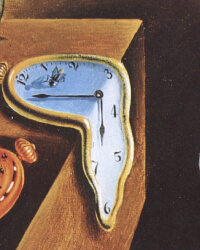
Yves Laloy (1920-1999) - Sans Titre
Viimeinen tarjous
€ 56
3 viikkoa sitten

Yves Laloy (1920-1999) - Sans Titre

Yves Laloy; From La Lune en Rodage III Medium: Silkscreen Print Material: Paper Dimensions 19.5 x 28.5 cm in an frame with a dimension of 36 x 36 x 4 cm Editor: Edition Panderma, Basel Year: published 1977 Edition: This is an unnumbered copy of 230 editions (65 hors commerce were unnumbered) Signature: Signed Provenance: Edition Panderma, Carl Laszlo, Basel Galerie von Bartha, Basel Private Collection, Basel Condition / Restauration: good condition Comes with passepartout and frame Further Information: A rare limited edition of the portable collection of post-war and contemporary art La Lune en Rodage III. This is an unnumbered copy of 230 editions (65 hors commerce were unnumbered) and part of the third serie of the La Lune en Rodage books. La Lune en Rodage was published in three volumes in 1960, 1965 and 1977 containing a total of approximately 180 art pieces which provide an account of the artistic avant-garde scene between the 1950s and 1970s. The art works were gathered by Carl Laslzo and included the greatest artists of the time who contributed with important pieces, often marking a turning point in their production and carriers: Enrico Castellani’s work for example is his first documented graphic work and Piero Manzoni's multiple Achrome is the only one produced by the artist. Biography: Yves Laloy’s paintings defy categorization. André Breton was the first to call his work surrealist, a label that Laloy felt overly limiting. Yet, Laloy embraced another relationship also put forward by Breton: one that invoked an analogous aesthetic relationship between his paintings and Navajo sand paintings, ephemeral images created by Navajo spiritual leaders exclusively as part of the Nightway ceremony. Breton reasoned that, “while a composition of Kandinsky responds to symphonic ambitions, a painting [made] of Navajo sand is primarily concerned with cosmogonic preoccupations and tends to influence the course of the universe in a propitiatory way.” For Breton, Laloy’s paintings enabled the ability to “see” beyond the visible. Paintings like Montez (Uma), on view here, are examples of the artist’s preoccupation with Indigenous art and spiritual practices in the Americas. They also are indicative of a time when many artists and writers in Western Europe were actively appropriating the aesthetics of objects from the Americas and Africa—often without an understanding of these works beyond their visual qualities as a means of accommodating a felt lack in their own societies—the perceived loss of the magic, ritual, and the sacred. Much like Marilou Schultz’s weavings, the patterning in these paintings also invokes the aesthetics of early digital technology. (from: http://www.documenta14.de/en/artists/21977/yves-laloy)

Nro. 103249533

Myyty
Yves Laloy (1920-1999) - Sans Titre

Yves Laloy (1920-1999) - Sans Titre

Yves Laloy; From La Lune en Rodage III

Medium: Silkscreen Print
Material: Paper
Dimensions
19.5 x 28.5 cm in an frame with a dimension of 36 x 36 x 4 cm


Editor: Edition Panderma, Basel
Year: published 1977
Edition: This is an unnumbered copy of 230 editions (65 hors commerce were unnumbered)
Signature: Signed

Provenance:
Edition Panderma, Carl Laszlo, Basel
Galerie von Bartha, Basel
Private Collection, Basel

Condition / Restauration:
good condition

Comes with passepartout and frame

Further Information:

A rare limited edition of the portable collection of post-war and contemporary art La Lune en Rodage III. This is an unnumbered copy of 230 editions (65 hors commerce were unnumbered) and part of the third serie of the La Lune en Rodage books. La Lune en Rodage was published in three volumes in 1960, 1965 and 1977 containing a total of approximately 180 art pieces which provide an account of the artistic avant-garde scene between the 1950s and 1970s. The art works were gathered by Carl Laslzo and included the greatest artists of the time who contributed with important pieces, often marking a turning point in their production and carriers: Enrico Castellani’s work for example is his first documented graphic work and Piero Manzoni's multiple Achrome is the only one produced by the artist.

Biography:

Yves Laloy’s paintings defy categorization. André Breton was the first to call his work surrealist, a label that Laloy felt overly limiting. Yet, Laloy embraced another relationship also put forward by Breton: one that invoked an analogous aesthetic relationship between his paintings and Navajo sand paintings, ephemeral images created by Navajo spiritual leaders exclusively as part of the Nightway ceremony. Breton reasoned that, “while a composition of Kandinsky responds to symphonic ambitions, a painting [made] of Navajo sand is primarily concerned with cosmogonic preoccupations and tends to influence the course of the universe in a propitiatory way.” For Breton, Laloy’s paintings enabled the ability to “see” beyond the visible. Paintings like Montez (Uma), on view here, are examples of the artist’s preoccupation with Indigenous art and spiritual practices in the Americas. They also are indicative of a time when many artists and writers in Western Europe were actively appropriating the aesthetics of objects from the Americas and Africa—often without an understanding of these works beyond their visual qualities as a means of accommodating a felt lack in their own societies—the perceived loss of the magic, ritual, and the sacred. Much like Marilou Schultz’s weavings, the patterning in these paintings also invokes the aesthetics of early digital technology. (from: http://www.documenta14.de/en/artists/21977/yves-laloy)

Viimeinen tarjous
€ 56
Sylvia Kellermann
asiantuntija
Arvio  € 150 - € 200

Samankaltaisia esineitä

Sinulle kategoriassa

Printit ja monisteet

Aseta hakuvahti
Aseta hakuvahti saadaksesi ilmoituksia, kun uusia osumia löytyy.

Tämä esine oli esillä kohteessa


Näin ostat Catawikistä

Lue lisää ostajan suojastamme

      1. Löydä jotain erityistä

      Selaa tuhansia asiantuntijoiden valitsemia erikoisesineitä. Tutustu jokaisen erityislaatuisen esineen kuviin, tietoihin ja arvioituun arvoon. 

      2. Tee korkein tarjous

      Löydä jotain, josta pidät ja tee siitä korkein tarjous. Voit seurata huutokauppaa loppuun asti tai antaa järjestelmämme tehdä tarjoukset puolestasi. Sinun tarvitsee vain asettaa enimmäishinta, jonka olet halukas maksamaan tietystä esineestä. 

      3. Maksa turvallisesti

      Pidämme maksusi tallessa, kunnes olet vastaanottanut ostoksesi ehjänä ja hyvässä kunnossa. Käytämme luotettavaa maksujärjestelmää kaikkien maksutapahtumien käsittelyyn. 

Onko sinulla jotain samankaltaista myytäväksi?

Olit sitten ensi kertaa verkkohuutokaupassa tai ammattimyyjä, voimme auttaa sinua ansaitsemaan erikoisesineistäsi enemmän.

Myy esineesi