104586286

Plus disponible
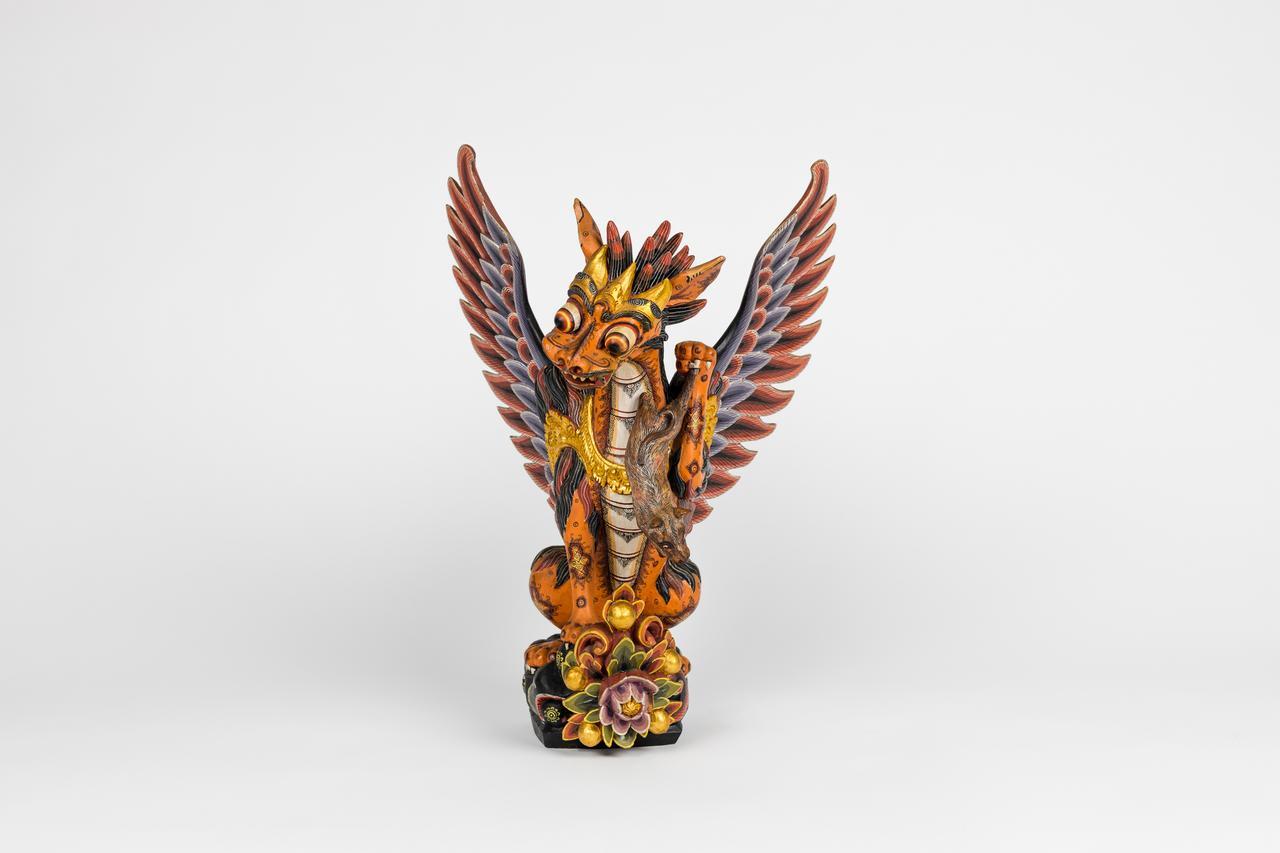
Rame ébénisée taillée à la main - comment - Maori - Nouvelle-Zélande
Offres terminées
Il y a 9 semaines

Rame ébénisée taillée à la main - comment - Maori - Nouvelle-Zélande

50s to 60s paddle, ebonised, really good shape. private collection A traditional Māori paddle is called a hoe (pronounced haw-eh). These paddles were essential tools used to navigate the Pacific Ocean and New Zealand's waterways in various types of waka (canoes). Key Features and Design The Blade: The blade of a hoe is typically long, narrow, and leaf-shaped, coming to a sharp point. This design allowed the paddle to slice cleanly through water with minimal noise. The Shaft: The handle or shaft is straight, but the blade itself is often slightly angled relative to the handle, acting like a modern ergonomic paddle to maximize propulsion.Materials: They were meticulously carved from native New Zealand hardwoods, such as kahikatea (white pine), totara, or matai. Functional and Spiritual Roles Dual Purpose: While its primary job was steering and propelling a waka, the hoe could instantly be flipped over and used as an effective defensive weapon or club (patu) during a sudden ambush.Status Symbols: Plain paddles were used by regular crew members, but highly ornate, heavily carved paddles belonged exclusively to chiefs (rangatira).Artistry: Intricate relief carvings (whakairo) on the blade and handle featured spiritual guardians, tiki forms, and sweeping kowhaiwhai patterns.

104586286

Plus disponible
Rame ébénisée taillée à la main - comment - Maori - Nouvelle-Zélande

Rame ébénisée taillée à la main - comment - Maori - Nouvelle-Zélande

50s to 60s paddle, ebonised, really good shape. private collection

A traditional Māori paddle is called a hoe (pronounced haw-eh). These paddles were essential tools used to navigate the Pacific Ocean and New Zealand's waterways in various types of waka (canoes).

Key Features and Design
The Blade:
The blade of a hoe is typically long, narrow, and leaf-shaped, coming to a sharp point.

This design allowed the paddle to slice cleanly through water with minimal noise.

The Shaft:
The handle or shaft is straight, but the blade itself is often slightly angled relative to the handle, acting like a modern ergonomic paddle to maximize propulsion.Materials: They were meticulously carved from native New Zealand hardwoods, such as kahikatea (white pine), totara, or matai.

Functional and Spiritual Roles
Dual Purpose:
While its primary job was steering and propelling a waka, the hoe could instantly be flipped over and used as an effective defensive weapon or club (patu) during a sudden ambush.Status

Symbols:
Plain paddles were used by regular crew members, but highly ornate, heavily carved paddles belonged exclusively to chiefs (rangatira).Artistry: Intricate relief carvings (whakairo) on the blade and handle featured spiritual guardians, tiki forms, and sweeping kowhaiwhai patterns.

Offres terminées
Surya Rutten
Expert
Estimation  € 170 - € 200

Objets similaires

Pour vous

Art d'Asie du Sud-Est, océanique et américain

Définir une alerte de recherche
Définissez une alerte de recherche pour être informé lorsque de nouveaux objets correspondant à votre recherche sont disponibles.

Cet objet a été présenté dans


Comment acheter sur Catawiki ?

En savoir plus sur notre Protection des acheteurs

      1. Découvrez des objets d’exception

      Découvrez des milliers d'objets d'exception sélectionnés par nos experts. Consultez les photos, les informations détaillées et la valeur estimée de chaque objet d'exception. 

      2. Faites la meilleure offre

      Trouvez l’objet de vos rêves et faites l’offre la plus élevée. Vous pouvez suivre la vente jusqu'à sa clôture ou laisser notre système faire les offres à votre place. Il vous suffit de fixer une enchère maximale correspondant au montant que vous souhaitez payer. 

      3. Effectuez un paiement sécurisé

      Réglez votre objet d'exception et nous garderons votre paiement en toute sécurité jusqu’à ce que vous ayez bien reçu votre objet d’exception. Toutes les transactions sont effectuées par un système de paiement de confiance. 

Vous souhaitez vendre un objet similaire ?

Que vous débutiez dans les ventes en ligne ou que vous soyez vendeur professionnel, nous pouvons vous aider à gagner plus d'argent pour vos objets d'exception.

Vendez votre objet