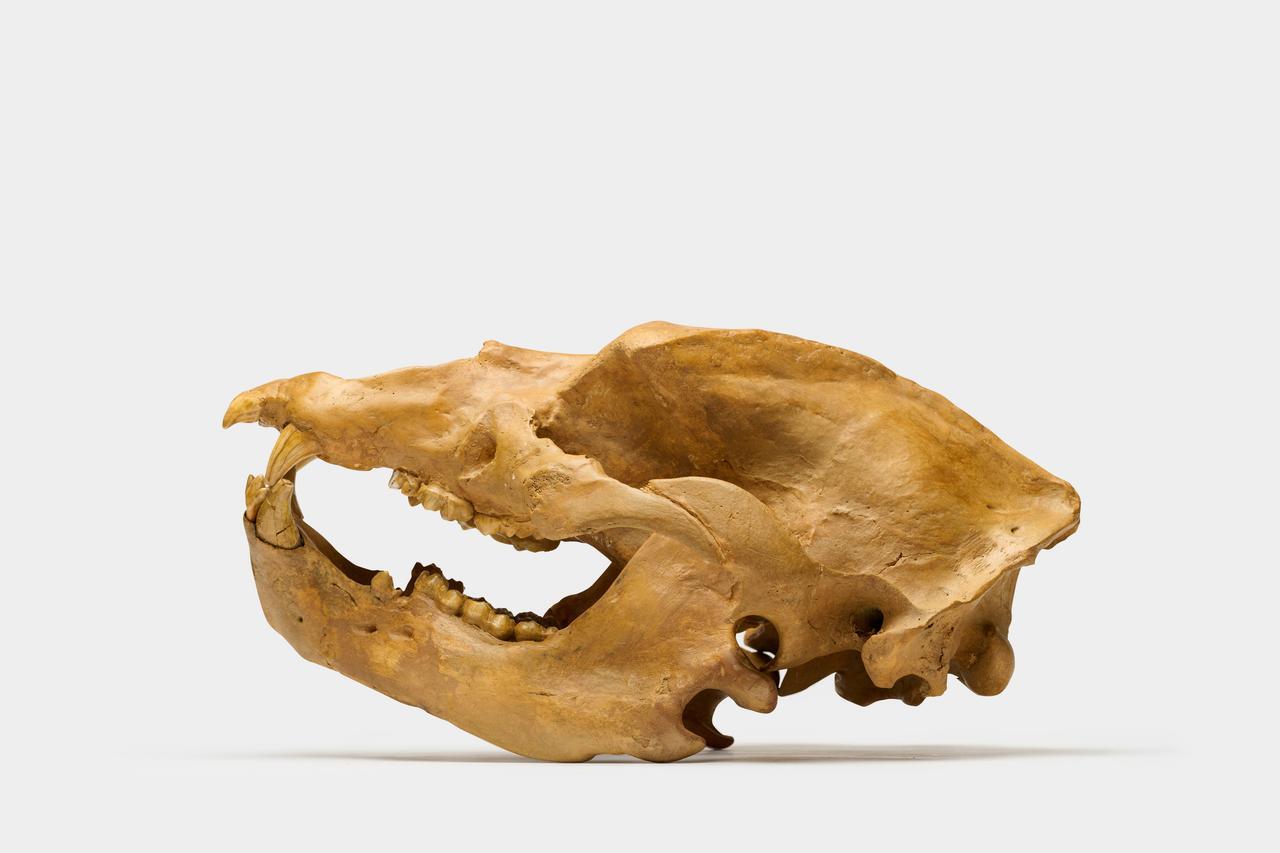
Animal fossilisé - Echinoderm - 4.8 cm - 3.8 cm


04
jours
10
heures
08
minutes
35
secondes
Offre de départ
€ 1
Prix de réserve non atteint

Pas d'offre placée
Protection des acheteurs Catawiki
Votre paiement est en sécurité chez nous jusqu’à la réception de votre objet.Voir les informations
Trustpilot 4.4 | 135391 d’avis
Noté Excellent sur Trustpilot.
Specimen : fossile d’échinodermes du Cambrien supérieur (Eocrinoidea) d’Asie; Période géologique : Cambrian; Hauteur 4,8 cm; Largeur 3,8 cm; Condition : naturelle; Authenticité : Original/officiel.
Résumé assisté par IA
Description fournie par le vendeur
Late Cambrian Echinoderm Fossil – Brief Introduction
This fossil is an early echinoderm from the Late Cambrian (approx. 500 million years ago), likely belonging to the class Eocrinoidea (eocrinoids), one of the most ancient groups of echinoderms on Earth.
Preserved in purplish-red fine-grained shale, this sedimentary rock represents a shallow‑marine, oxidized environment typical of the Late Cambrian strata of the North China Craton. The fossil measures about 4–5 cm in total length, retaining clear outlines of a stem, articulated arms, and a theca (calyx). It illustrates the key ecological traits of early echinoderms—sessile, filter‑feeding lifestyle: the stem served for attachment to the seafloor, while the articulated arms captured food particles.
As a critical witness to echinoderm evolution following the Cambrian explosion, this fossil not only documents the morphological transition from a “sac‑like” body plan to a differentiated stalk‑arm structure, but also provides important evidence for studying paleo‑marine environments and biodiversity evolution.
Late Cambrian Echinoderm Fossil – Brief Introduction
This fossil is an early echinoderm from the Late Cambrian (approx. 500 million years ago), likely belonging to the class Eocrinoidea (eocrinoids), one of the most ancient groups of echinoderms on Earth.
Preserved in purplish-red fine-grained shale, this sedimentary rock represents a shallow‑marine, oxidized environment typical of the Late Cambrian strata of the North China Craton. The fossil measures about 4–5 cm in total length, retaining clear outlines of a stem, articulated arms, and a theca (calyx). It illustrates the key ecological traits of early echinoderms—sessile, filter‑feeding lifestyle: the stem served for attachment to the seafloor, while the articulated arms captured food particles.
As a critical witness to echinoderm evolution following the Cambrian explosion, this fossil not only documents the morphological transition from a “sac‑like” body plan to a differentiated stalk‑arm structure, but also provides important evidence for studying paleo‑marine environments and biodiversity evolution.
Détails
Nom scientifique
Echinoderm
Pays d’origine
Asie
Période géologique
Cambrien (541 - 485,4 millions d’années)
Condition
Naturel
Hauteur
4,8 cm
Largeur
3,8 cm
Authenticité
Original/officiel
Vendu par