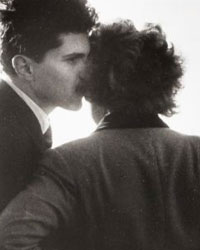
Jaroslav Novotný - Nude


05
jours
05
heures
26
minutes
42
secondes
Offre de départ
€ 1
Prix de réserve non atteint

Expert
Sélectionné par Kai Brückner
Plus de 35 ans d'expérience ; ancien galeriste et conservateur au Museum Folkwang.
Estimation € 300 - € 400
Pas d'offre placée
Protection des acheteurs Catawiki
Votre paiement est en sécurité chez nous jusqu’à la réception de votre objet.Voir les informations
Trustpilot 4.4 | 139719 d’avis
Noté Excellent sur Trustpilot.
Description fournie par le vendeur
Size: 30 x 24
photo from the portfolio Meetings 1983 IN MEMORIAM TO TARAS KUŠČYNSKÍMU, Exchange action 1983
the album was made in only 55 pieces and only for the author of the photo from the given album. Every family protects the albums like the apple of their eye, that's why these photos can't be bought on the market. They are inherited. That's why you have a unique opportunity to own one of these photos.
I am only selling the photo itself.
Jaroslav “Jára” Novotný (born 1939) is a Czech photographer, journalist, writer and artist whose career is closely connected with the dramatic political and cultural history of Czechoslovakia after 1968.
Novotný came to photography relatively late. His first important photographs were made during the Soviet-led invasion of Czechoslovakia in August 1968. He documented the occupation in the region of Tábor and Soběslav and openly criticized the invasion in the press. His photographs were accompanied by critical articles, which brought him to the attention of the State Security police (StB). (Czech Wiki)
In August 1969, during the demonstrations marking the first anniversary of the invasion, Novotný travelled to Prague to photograph the protests. He was arrested and imprisoned. His photographic material from the demonstrations was confiscated. He was eventually acquitted for lack of evidence, but the experience had a profound impact on his subsequent life and artistic work. (Pamäť národa)
Photography nevertheless became his principal means of artistic expression. He studied photography externally with the influential Czech photography teacher Ján Šmok, and gradually developed a personal style within the tradition of Czech free photography. (Pamäť národa)
Despite the political restrictions of the communist period, Novotný achieved remarkable international recognition. His photographs were presented at photographic salons and exhibitions around the world. According to the catalogue of the South Bohemian Research Library, his work was shown at more than 200 exhibitions in Czechoslovakia and approximately 240 international photographic salons in 33 countries. He prepared around 50 solo exhibitions in the Czech Republic, as well as exhibitions abroad, and received more than 200 awards for his photography. (Katalóg CBVK)
His international success was particularly remarkable because the communist authorities prevented him from travelling to many of the exhibitions where his photographs were accepted. Awards and distinctions were therefore often sent to him by post. His work could cross the borders even when he himself could not. (Pamäť národa)
Novotný’s photography is associated primarily with free and creative photography, rather than conventional commercial or journalistic photography. His images demonstrate the influence of the Czech photographic tradition while also reflecting his interest in everyday life, people, atmosphere and unusual visual situations.
He was also active as a writer. He wrote nine books, three of which were published, and later authored a book devoted to the Czech sculptor František Bílek and the town of Chýnov. (Katalóg CBVK)
What makes Jaroslav Novotný particularly interesting from a historical perspective is the combination of artistic achievement and political circumstances. His photographs were being exhibited and awarded internationally at a time when he was personally restricted by the Czechoslovak authorities. His career therefore represents an unusual example of how Czech photography continued to reach the international art world despite the restrictions of the communist regime.
For collectors, Novotný is an interesting figure because his photographs are not merely examples of Czech post-war photography; they also carry the story of an artist whose international photographic career developed under political pressure and censorship. His record of more than 200 awards and participation in international salons in 33 countries makes him a significant, although today relatively underappreciated, figure in Czech photographic history. (Katalóg CBVK)
Setkání 1983 – In Memoriam Taras Kuščynskyj
The photographic album Setkání 1983 – Výměnná akce, created in memory of the Czech photographer Taras Kuščynskyj (1932–1983), is a particularly interesting document of the Czech photographic scene of the late socialist period.
Kuščynskyj died on 27 December 1983 and had been one of the important Czech photographers of his generation. He was a co-founder of the photographic group Setkání, established in 1976. During his career he held 35 exhibitions, including exhibitions abroad in the Netherlands, Austria and Japan. His work was particularly associated with portraits, the female nude and photography in the landscape. (wwg.cz)
The Výměnná akce project is significant because it represents a different way of circulating photographic art outside the conventional exhibition system. Rather than functioning simply as a standard exhibition catalogue, these photographic books and portfolios allowed individual photographers to exchange and distribute original photographic works among themselves.
This type of activity was especially meaningful in the cultural environment of Czechoslovakia under communist rule, when opportunities for independent artistic presentation were limited and the official exhibition system was subject to institutional control. Informal photographic groups, personal networks and exchange projects therefore became important ways of maintaining contact between artists and allowing experimental work to circulate.
The 1983 volume acquired an additional memorial significance following Kuščynskyj’s death. The Czech national digital collection eSbirky records works explicitly identified as belonging to “Výměnná akce 1983. In memoriam Tarasu Kusčynskému”, as well as a work described as part of the “14. kniha 83”. (eSbírky)
For collectors, this makes Setkání 1983 more than simply a photographic album. It is a document of the Czech photographic community and its methods of artistic exchange during the communist period. Its importance lies not only in the individual photographs, but also in the provenance, collective authorship and historical circumstances surrounding its creation.
The connection with Taras Kuščynskyj is particularly important. In the year of his death, he had his final Prague exhibition at Fotochema as part of Interkamera, while his final exhibition during his lifetime took place at the Museum of Ukrainian Culture in Svidník. (wwg.cz)
For this reason, a complete and well-preserved example of Setkání 1983 – Výměnná akce / In Memoriam Taras Kuščynskyj can be regarded as a rare piece of photographic ephemera documenting the underground or semi-independent circulation of photography in 1980s Czechoslovakia. Its value is therefore both artistic and historical.
Size: 30 x 24
photo from the portfolio Meetings 1983 IN MEMORIAM TO TARAS KUŠČYNSKÍMU, Exchange action 1983
the album was made in only 55 pieces and only for the author of the photo from the given album. Every family protects the albums like the apple of their eye, that's why these photos can't be bought on the market. They are inherited. That's why you have a unique opportunity to own one of these photos.
I am only selling the photo itself.
Jaroslav “Jára” Novotný (born 1939) is a Czech photographer, journalist, writer and artist whose career is closely connected with the dramatic political and cultural history of Czechoslovakia after 1968.
Novotný came to photography relatively late. His first important photographs were made during the Soviet-led invasion of Czechoslovakia in August 1968. He documented the occupation in the region of Tábor and Soběslav and openly criticized the invasion in the press. His photographs were accompanied by critical articles, which brought him to the attention of the State Security police (StB). (Czech Wiki)
In August 1969, during the demonstrations marking the first anniversary of the invasion, Novotný travelled to Prague to photograph the protests. He was arrested and imprisoned. His photographic material from the demonstrations was confiscated. He was eventually acquitted for lack of evidence, but the experience had a profound impact on his subsequent life and artistic work. (Pamäť národa)
Photography nevertheless became his principal means of artistic expression. He studied photography externally with the influential Czech photography teacher Ján Šmok, and gradually developed a personal style within the tradition of Czech free photography. (Pamäť národa)
Despite the political restrictions of the communist period, Novotný achieved remarkable international recognition. His photographs were presented at photographic salons and exhibitions around the world. According to the catalogue of the South Bohemian Research Library, his work was shown at more than 200 exhibitions in Czechoslovakia and approximately 240 international photographic salons in 33 countries. He prepared around 50 solo exhibitions in the Czech Republic, as well as exhibitions abroad, and received more than 200 awards for his photography. (Katalóg CBVK)
His international success was particularly remarkable because the communist authorities prevented him from travelling to many of the exhibitions where his photographs were accepted. Awards and distinctions were therefore often sent to him by post. His work could cross the borders even when he himself could not. (Pamäť národa)
Novotný’s photography is associated primarily with free and creative photography, rather than conventional commercial or journalistic photography. His images demonstrate the influence of the Czech photographic tradition while also reflecting his interest in everyday life, people, atmosphere and unusual visual situations.
He was also active as a writer. He wrote nine books, three of which were published, and later authored a book devoted to the Czech sculptor František Bílek and the town of Chýnov. (Katalóg CBVK)
What makes Jaroslav Novotný particularly interesting from a historical perspective is the combination of artistic achievement and political circumstances. His photographs were being exhibited and awarded internationally at a time when he was personally restricted by the Czechoslovak authorities. His career therefore represents an unusual example of how Czech photography continued to reach the international art world despite the restrictions of the communist regime.
For collectors, Novotný is an interesting figure because his photographs are not merely examples of Czech post-war photography; they also carry the story of an artist whose international photographic career developed under political pressure and censorship. His record of more than 200 awards and participation in international salons in 33 countries makes him a significant, although today relatively underappreciated, figure in Czech photographic history. (Katalóg CBVK)
Setkání 1983 – In Memoriam Taras Kuščynskyj
The photographic album Setkání 1983 – Výměnná akce, created in memory of the Czech photographer Taras Kuščynskyj (1932–1983), is a particularly interesting document of the Czech photographic scene of the late socialist period.
Kuščynskyj died on 27 December 1983 and had been one of the important Czech photographers of his generation. He was a co-founder of the photographic group Setkání, established in 1976. During his career he held 35 exhibitions, including exhibitions abroad in the Netherlands, Austria and Japan. His work was particularly associated with portraits, the female nude and photography in the landscape. (wwg.cz)
The Výměnná akce project is significant because it represents a different way of circulating photographic art outside the conventional exhibition system. Rather than functioning simply as a standard exhibition catalogue, these photographic books and portfolios allowed individual photographers to exchange and distribute original photographic works among themselves.
This type of activity was especially meaningful in the cultural environment of Czechoslovakia under communist rule, when opportunities for independent artistic presentation were limited and the official exhibition system was subject to institutional control. Informal photographic groups, personal networks and exchange projects therefore became important ways of maintaining contact between artists and allowing experimental work to circulate.
The 1983 volume acquired an additional memorial significance following Kuščynskyj’s death. The Czech national digital collection eSbirky records works explicitly identified as belonging to “Výměnná akce 1983. In memoriam Tarasu Kusčynskému”, as well as a work described as part of the “14. kniha 83”. (eSbírky)
For collectors, this makes Setkání 1983 more than simply a photographic album. It is a document of the Czech photographic community and its methods of artistic exchange during the communist period. Its importance lies not only in the individual photographs, but also in the provenance, collective authorship and historical circumstances surrounding its creation.
The connection with Taras Kuščynskyj is particularly important. In the year of his death, he had his final Prague exhibition at Fotochema as part of Interkamera, while his final exhibition during his lifetime took place at the Museum of Ukrainian Culture in Svidník. (wwg.cz)
For this reason, a complete and well-preserved example of Setkání 1983 – Výměnná akce / In Memoriam Taras Kuščynskyj can be regarded as a rare piece of photographic ephemera documenting the underground or semi-independent circulation of photography in 1980s Czechoslovakia. Its value is therefore both artistic and historical.
Détails
Date d’impression
1980
Artiste
Jaroslav Novotný
Vendu(e) par
Propriétaire ou revendeur
Titre de l'œuvre d'art
Nude
Condition
Excellent
Technique
Tirage au gélatino-bromure d'argent
Hauteur
30 cm
Largeur
24 cm
Signature
Signé(e)
Genre
Nu
Vendu par