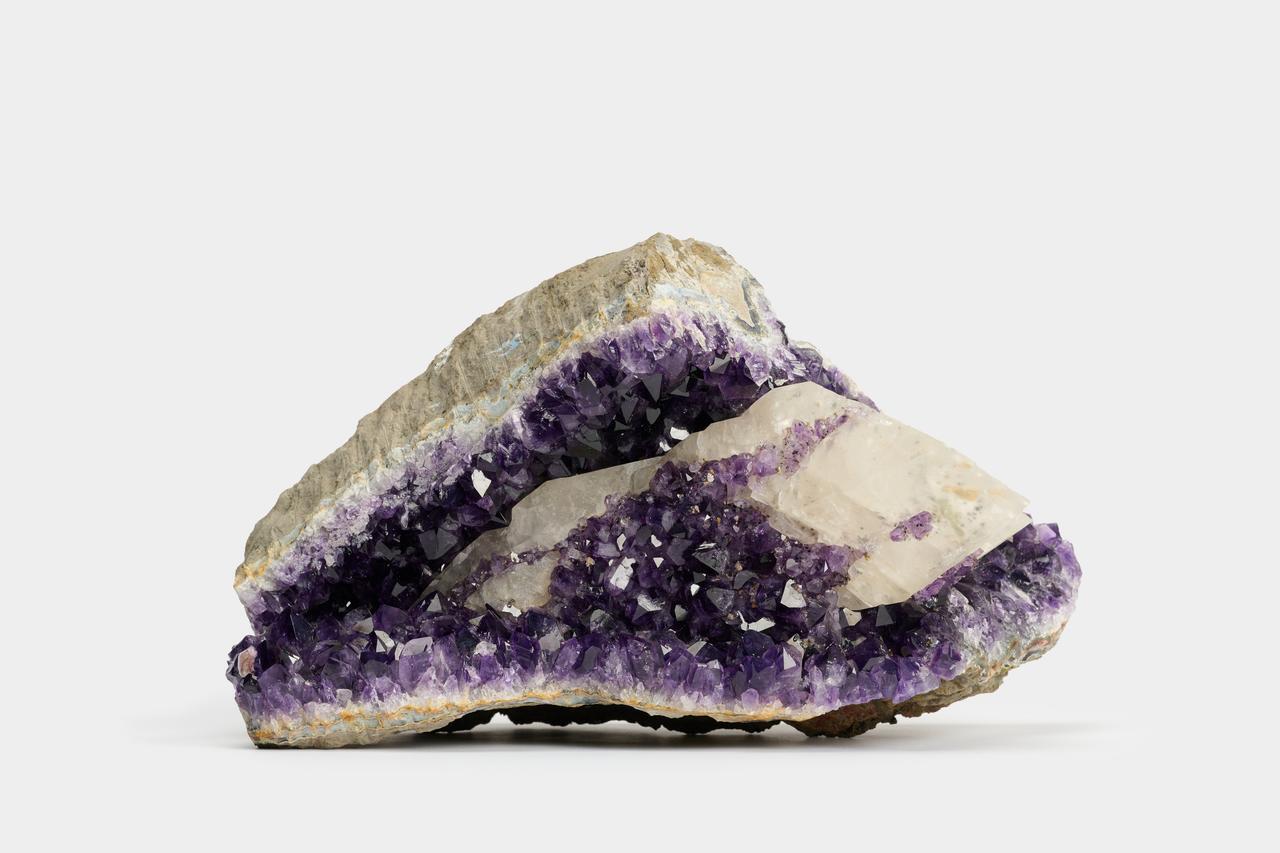
Exceptional Sericho Pallasite Slice Pallasite meteorite - 5 g - (1)


05
jours
14
heures
18
minutes
29
secondes

 | 1 € |
|---|
Protection des acheteurs Catawiki
Votre paiement est en sécurité chez nous jusqu’à la réception de votre objet.Voir les informations
Trustpilot 4.4 | 141104 d’avis
Noté Excellent sur Trustpilot.
Exceptional Sericho Pallasite Slice est une météorite pallasite originaire de la région Habaswein/Sericho, comté d Isiolo, Kenya; elle pèse 5 g et est composée de cristaux d’olivine dans une matrice fer-nickel.
Résumé assisté par IA
Description fournie par le vendeur
Beautiful polished slice of the famous Sericho pallasite meteorite, weighing 5 grams.
Classification: Pallasite
Found: 2016
Origin: Sericho / Habaswein area, Kenya
Weight: 5 g
Age: approximately 4.5 billion years
Sericho is one of the best-known modern pallasite discoveries. It was officially recognized after large meteorite masses were identified near Habaswein, south of Sericho in Kenya, although local camel herders had apparently known the unusual metallic stones for many years before their scientific identification. More than 2.8 tonnes of material have been documented.
Pallasites are among the most visually spectacular types of meteorites. They consist principally of olivine crystals embedded within an iron-nickel metallic matrix, creating a striking combination of gemstone-like material and extraterrestrial metal.
This particular slice has been carefully cut and polished to reveal numerous golden to honey-coloured olivine crystals distributed throughout the metallic structure.
One of the highlights of the specimen is its appearance under transmitted light. When illuminated from behind, several of the olivine crystals become beautifully translucent, displaying warm golden and amber tones, as clearly shown in the photographs.
The polished metallic areas contrast strongly with the darker sections of the meteorite, making this a particularly attractive small display specimen.
Sericho has an estimated age of approximately 4.5 billion years, dating back to the earliest history of the Solar System.
Name: Sericho
Classification: Pallasite meteorite
Origin: Kenya
Found: 2016
Weight: 5 g
The photographs were taken under both normal lighting and strong backlighting in order to show the transparency and internal structure of the olivine crystals.
The specimen will be carefully packed for safe transport.
Beautiful polished slice of the famous Sericho pallasite meteorite, weighing 5 grams.
Classification: Pallasite
Found: 2016
Origin: Sericho / Habaswein area, Kenya
Weight: 5 g
Age: approximately 4.5 billion years
Sericho is one of the best-known modern pallasite discoveries. It was officially recognized after large meteorite masses were identified near Habaswein, south of Sericho in Kenya, although local camel herders had apparently known the unusual metallic stones for many years before their scientific identification. More than 2.8 tonnes of material have been documented.
Pallasites are among the most visually spectacular types of meteorites. They consist principally of olivine crystals embedded within an iron-nickel metallic matrix, creating a striking combination of gemstone-like material and extraterrestrial metal.
This particular slice has been carefully cut and polished to reveal numerous golden to honey-coloured olivine crystals distributed throughout the metallic structure.
One of the highlights of the specimen is its appearance under transmitted light. When illuminated from behind, several of the olivine crystals become beautifully translucent, displaying warm golden and amber tones, as clearly shown in the photographs.
The polished metallic areas contrast strongly with the darker sections of the meteorite, making this a particularly attractive small display specimen.
Sericho has an estimated age of approximately 4.5 billion years, dating back to the earliest history of the Solar System.
Name: Sericho
Classification: Pallasite meteorite
Origin: Kenya
Found: 2016
Weight: 5 g
The photographs were taken under both normal lighting and strong backlighting in order to show the transparency and internal structure of the olivine crystals.
The specimen will be carefully packed for safe transport.
Détails
Nombre d’objets
1
Nom météorite
Exceptional Sericho Pallasite Slice
Type météorite
Pallasite meteorite
Poids
5 g
Origine (région / ville)
Habaswein / Sericho area, Isiolo County
Pays d’origine
Kenya
Vendu par